
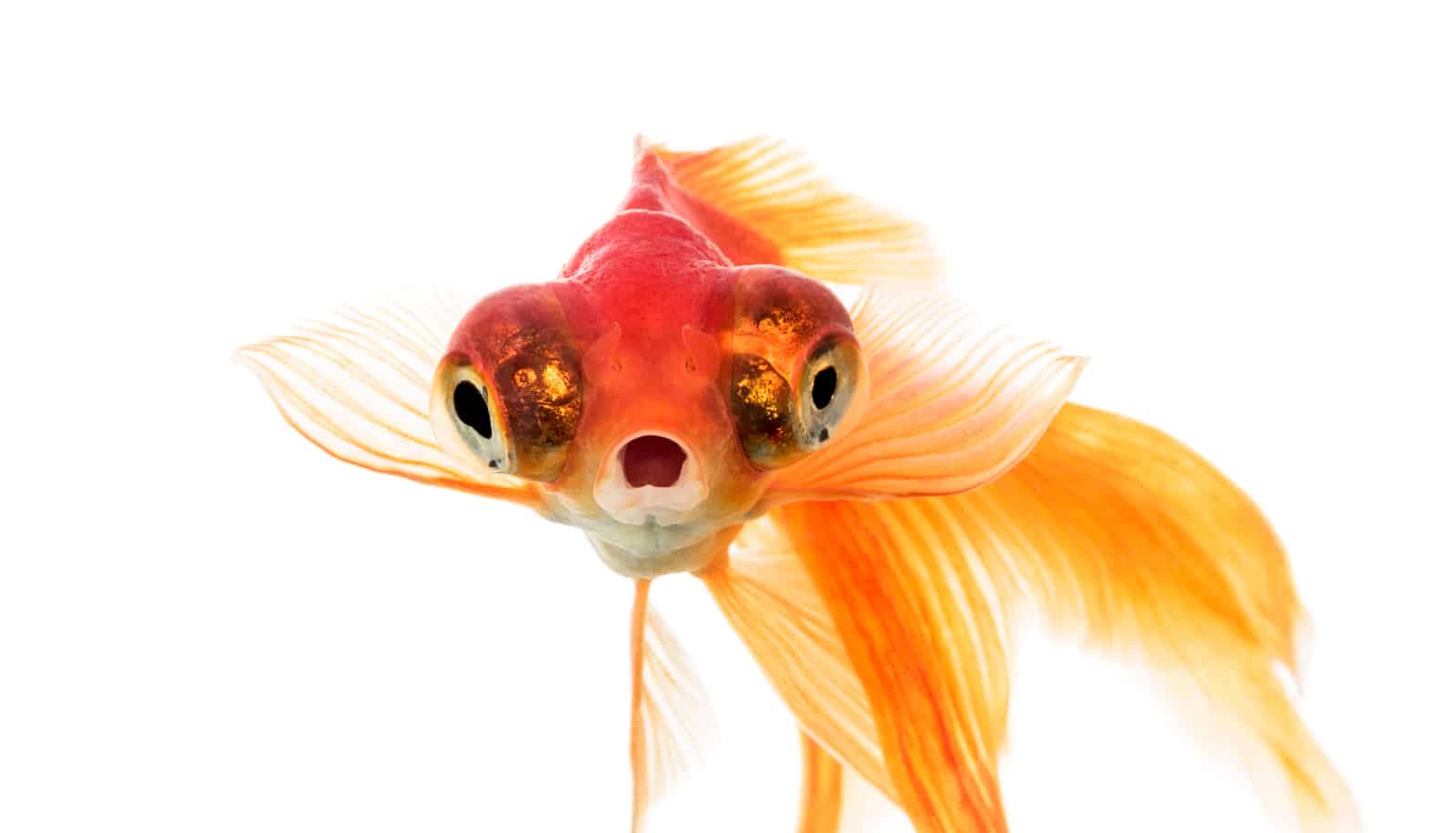
The seemingly harmless act of releasing a pet goldfish into a local lake or pond can have devastating consequences for freshwater ecosystems, according to new research. A study published in the Journal of Animal Ecology details how these popular aquarium fish, when introduced to the wild, can rapidly alter lake environments, threatening native species and triggering ecological collapse. The findings underscore a growing concern among ecologists about the impact of invasive species and the often-unforeseen consequences of human interaction with the natural world.
Goldfish (Carassius auratus) are among the most widely distributed ornamental fish globally, a consequence of the extensive pet trade. While often perceived as benign, their adaptability and reproductive capacity make them a potent invasive species. Researchers at the University of Missouri and the University of Toledo conducted large-scale experiments to quantify the impact of these fish on freshwater ecosystems, revealing a far more alarming picture than previously understood. The study, led by Dr. William Hintz of the University of Toledo and co-authored by Rick Reylea of the University of Missouri, provides some of the strongest experimental evidence to date demonstrating the profound ecological disruption caused by invasive goldfish.
Goldfish as Ecological Disruptors: The Experimental Evidence
To understand the full scope of the problem, the research team designed a series of controlled outdoor experiments using artificial lakes that mirrored real-world conditions. These “mesocosms” were established to represent both nutrient-poor and nutrient-rich freshwater environments, allowing the researchers to assess the impact of goldfish across a range of ecological settings. Goldfish were introduced into these experimental lakes, and the resulting changes were meticulously monitored over time. The results were stark, revealing a cascade of negative effects on water quality, native species populations, and overall ecosystem health.

One of the most immediate impacts observed was a decline in water quality. Goldfish, through their feeding habits and movement, churn up bottom sediments, increasing turbidity and suspended particles. This clouding of the water reduces light penetration, hindering the growth of aquatic plants and disrupting the delicate balance of the ecosystem. As Dr. Hintz explained, “Releasing a goldfish into the wild may feel like an act of kindness, but it can quickly turn into a major ecological threat.” This sediment disruption isn’t merely aesthetic. it fundamentally alters the physical and chemical properties of the lake, creating conditions less favorable for native species.
The consequences for native species were equally concerning. Populations of snails, amphipods, and zooplankton – small invertebrates that form the base of the aquatic food web – experienced significant declines as goldfish consumed them and destroyed their habitat. Native fish also suffered, exhibiting reduced body condition, an early warning sign of long-term population decline. This competition for food and resources, coupled with habitat destruction, creates a hostile environment for indigenous fish species, potentially leading to local extinctions. The study found these impacts were consistent across both nutrient-poor and nutrient-rich lakes, suggesting that few freshwater systems are immune to the disruptive effects of invasive goldfish. University of Missouri researchers emphasized that the severity of the damage was directly attributable to the presence of goldfish, rather than simply an increase in fish biomass.
Ecological Regime Shifts and Long-Term Consequences
The research team documented what ecologists refer to as a “regime shift” in lakes invaded by goldfish – a tipping point at which the ecosystem rapidly reorganizes into a fundamentally different, and often degraded, state. Once this point is crossed, reversing the damage becomes exceedingly challenging and expensive. This shift isn’t a gradual decline; it’s a rapid and often irreversible transformation of the ecosystem’s structure and function. The study highlights the urgency of preventing these shifts from occurring in the first place.
Rick Reylea, professor at the University of Missouri’s College of Agriculture, Food and Natural Resources, and director of Mizzou’s Johnny Morris Institute of Fisheries, Wetlands, and Aquatic Systems, explained the broader implications of these findings. “If goldfish are released into the wild, they rapidly grow into extremely large fish that stir up lake sediments, consume large numbers of prey and compete with native fish.” This aggressive behavior, combined with their high reproductive rate, allows goldfish to quickly dominate freshwater ecosystems, outcompeting native species and altering the natural balance.
The Global Spread of an Invasive Species
The problem isn’t limited to North America. The global pet trade facilitates the movement of species around the world at an unprecedented scale, and goldfish are among the most widely distributed ornamental fish on Earth. This widespread availability increases the risk of accidental or intentional releases into the wild, exacerbating the problem of invasive goldfish populations. The researchers emphasize that the issue is not simply about individual releases; it’s about the cumulative impact of countless small actions that collectively threaten freshwater ecosystems worldwide.
The study’s findings have significant implications for natural resource managers and policymakers. The researchers urge a shift in perspective, advocating for goldfish to be treated as a high-priority invasive species. This requires increased investment in prevention, early detection, and control efforts to minimize the establishment and spread of invasive populations. Effective management strategies may include targeted removal programs, habitat restoration, and public education campaigns to raise awareness about the ecological consequences of releasing aquatic animals.
What Can Pet Owners Do? Responsible Alternatives
For pet owners who can no longer care for their goldfish, releasing them into the wild is not a humane or responsible solution. The researchers stress the importance of exploring alternative options, such as returning the fish to pet stores, rehoming them with other aquarium enthusiasts, or contacting local wildlife authorities for guidance. Many local animal shelters and aquatic societies can provide assistance in finding suitable homes for unwanted goldfish.

responsible pet ownership includes careful consideration of the long-term commitment required to care for an aquatic animal. Goldfish can live for many years and require appropriate tank size, filtration, and maintenance to thrive. Impulse purchases and inadequate preparation often lead to unwanted fish and, the temptation to release them into the wild. Educating potential pet owners about the responsibilities of fish ownership is crucial in preventing future invasions.
Key Takeaways
- Invasive goldfish can trigger rapid ecological collapse in freshwater lakes.
- Goldfish disrupt water quality, decimate native invertebrate populations, and compete with native fish.
- Releasing goldfish into the wild is harmful and can lead to irreversible ecosystem damage.
- Responsible pet ownership includes finding humane alternatives for unwanted goldfish.
- Goldfish are a global problem due to the widespread pet trade.
The findings from the University of Missouri and the University of Toledo serve as a critical reminder of the interconnectedness of ecosystems and the far-reaching consequences of human actions. Continued research and proactive management strategies are essential to protect freshwater resources from the growing threat of invasive species. The next step for researchers will be to investigate the effectiveness of different control methods and to develop strategies for restoring ecosystems already impacted by invasive goldfish.
What are your thoughts on this issue? Share your comments below, and assist spread awareness about the ecological impact of releasing pet goldfish into the wild.