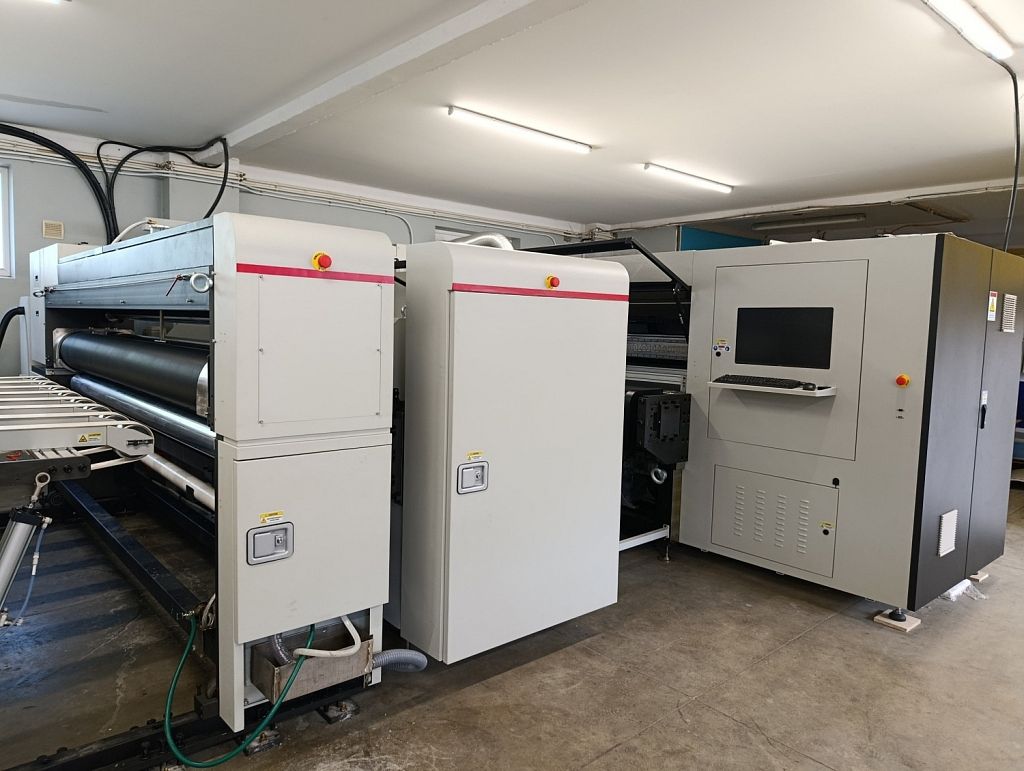
The global packaging industry is undergoing a seismic shift as manufacturers pivot toward more sustainable, efficient, and technologically advanced production methods. Central to this transformation is the adoption of next-generation cardboard packaging printing technology, a move that is reshaping how companies manage supply chains while meeting increasingly stringent environmental regulations. As consumer demand for eco-friendly alternatives grows, the integration of high-precision digital printing and automated finishing systems has become a strategic imperative for firms looking to maintain a competitive edge in international markets.
For businesses operating within the European Union, this technological evolution is not merely about aesthetic improvement; it is a direct response to the European Union’s Packaging and Packaging Waste Regulation (PPWR), which aims to minimize waste and promote a circular economy. By investing in modern printing infrastructure, companies can significantly reduce their material footprint, minimize ink wastage, and enhance the recyclability of their final products. This transition reflects a broader trend where industrial innovation and regulatory compliance converge to drive long-term economic sustainability.
As we observe the manufacturing landscape, the shift toward automated, high-speed printing solutions is gaining momentum. These systems allow for greater flexibility in short-run production, enabling businesses to pivot quickly to market trends without the heavy overhead associated with traditional analog printing methods. In this analysis, we explore the implications of these technological investments and what they signify for the future of the global packaging sector.
The Economic Drivers of Modern Printing Technology
The decision to invest in advanced cardboard printing technology is rarely made in isolation; it is typically the result of a rigorous cost-benefit analysis involving energy efficiency, material reduction, and speed-to-market. According to recent data from the Smithers report on the Future of Global Packaging, the industry is seeing a sustained move toward digital printing, which offers a lower barrier to entry for customized packaging designs compared to traditional lithographic processes. By utilizing inkjet or advanced flexographic technologies, manufacturers can achieve high-resolution output while consuming up to 30% less energy than older, legacy machinery.
the economic impact extends to the labor market and operational overhead. Modern printing lines often feature integrated AI-driven quality control, which drastically reduces the need for manual inspection and minimizes the rate of defective units. When companies optimize their production lines, they are not only lowering their unit costs but also positioning themselves to meet the high-volume demands of global e-commerce platforms, which currently account for a significant portion of cardboard usage worldwide.
Sustainability as a Strategic Pillar
Beyond the immediate financial benefits, the push for new printing technology is deeply rooted in the need for environmental accountability. The Organization for Economic Co-operation and Development (OECD) has repeatedly highlighted that the transition to a circular economy requires a fundamental redesign of packaging materials and the processes used to finish them. The latest printing technologies allow for the use of water-based, low-VOC (volatile organic compound) inks, which are significantly easier to de-ink during the recycling process compared to traditional solvent-based alternatives.
This is particularly critical for manufacturers who face pressure from both regulators and consumers to prove the “green” credentials of their products. By adopting these technologies, firms are better able to track material usage throughout the production lifecycle, providing the transparency that is now required for ESG (Environmental, Social, and Governance) reporting. For many stakeholders, this is the differentiator between a brand that merely survives and one that leads in the modern marketplace.
Key Considerations for Stakeholders
For organizations considering a capital expenditure in this sector, the landscape is complex. It is not enough to simply purchase new hardware; the investment must be accompanied by a digital transformation strategy that integrates printing data with inventory management and logistics software. Key considerations for management teams include:

- Scalability: Does the equipment support modular upgrades as printing requirements evolve?
- Interoperability: Can the printing system communicate effectively with existing ERP (Enterprise Resource Planning) platforms to ensure a seamless workflow?
- Resource Efficiency: What is the verified energy consumption profile of the machinery over a 24-hour operational cycle?
- Regulatory Alignment: Does the technology meet the specific chemical safety standards for food-contact packaging, which are strictly regulated by agencies like the European Food Safety Authority (EFSA)?
As these investments continue to be made, the industry should look for upcoming policy shifts regarding extended producer responsibility (EPR) schemes. These schemes, which are being implemented across various jurisdictions, will likely place the financial burden of waste management back onto the producers, further incentivizing the adoption of technology that minimizes waste at the source.
Looking Ahead: The Next Phase of Innovation
The investment in new cardboard packaging printing technology is a bellwether for the wider manufacturing sector. It demonstrates that long-term value is increasingly found at the intersection of technological agility and environmental stewardship. While the initial capital requirements may be significant, the potential for reduced operational costs and improved regulatory standing provides a compelling case for modernization.

As we move into the next quarter, we expect to see further announcements from major industrial players regarding their adoption of smart-factory printing solutions. The next major checkpoint for the industry will be the publication of updated national implementation plans for the PPWR across European member states, which will provide further clarity on technical requirements for packaging recyclability and labeling. We will continue to monitor these developments closely, providing the analysis you need to navigate this rapidly changing landscape.
What are your thoughts on the transition toward automated, sustainable packaging solutions? Join the conversation in the comments section below or share this report with your professional network.
Related reading