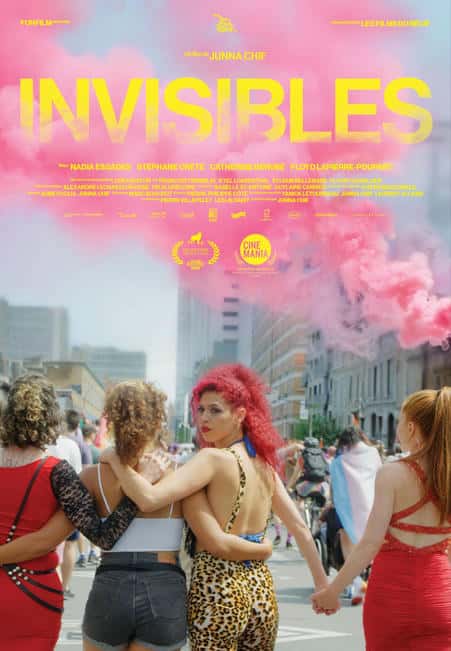
The debut feature film from Québecois director Junna Chif, Invisibles, is sparking conversation and critical acclaim for its nuanced portrayal of sexuality, disability, and the often-invisible lives of sex workers. Premiering at the Tallinn Black Nights Film Festival in November 2025 and subsequently winning both the Best Québec Film and Best Québec Directing awards at Cinemania, the film is poised for a wider release on March 13, 2026. Invisibles doesn’t shy away from difficult questions, offering a refreshing and complex perspective on societal taboos and challenging conventional representations within cinema.
The film centers on Elizabeth, a burlesque dancer and sex worker in her thirties, navigating a desire for change while grappling with the complexities of her profession. Her life takes an unexpected turn when she meets Floyd, a client with a disability, leading her to a pivotal decision: to exclusively offer her services to men with disabilities. This premise, while potentially controversial, is handled with sensitivity and a deliberate intention to move beyond stereotypical portrayals, according to Chif herself. The film’s exploration of intimacy and agency within these contexts is at the heart of its power, and resonance.
Chif’s approach to Invisibles is deeply rooted in a desire for authentic representation. She explained in a press statement that she wanted to move away from the common tropes of depicting people with disabilities as solely victims or needing assistance, instead creating characters who are “lousy ass”—assertive, complex, and unapologetic. Films du Québec highlights this intention, noting that Chif aimed to create characters who demand neither pity nor compassion, but rather exist with strength and complexity. This commitment extends to her portrayal of sex workers, whom she views as empowered individuals making conscious choices, despite societal judgment.
The film’s production involved a budget of approximately $500,000 – $600,000, and filming took place in Montréal. IMDb lists the film’s crew and cast, revealing a collaborative effort led by Chif, who similarly penned the screenplay. Isabelle Raynauld served as a script consultant, adding another layer of expertise to the project. The film’s production companies include Les Films du récif, with financial support from Téléfilm Canada (Fonds des talents) and the SODEC, as well as federal and provincial tax credits.
Challenging Representations and Sparking Dialogue
Invisibles arrives at a crucial moment in the ongoing conversation surrounding representation in media. Historically, both individuals with disabilities and sex workers have been marginalized and misrepresented, often reduced to harmful stereotypes. The film actively seeks to dismantle these stereotypes, presenting nuanced characters with agency and interior lives. Chif’s deliberate choice to focus on the complexities of these communities, rather than offering simplistic narratives, is a key element of the film’s impact. She acknowledges the diversity within both groups, recognizing that experiences vary widely and that exploitation and violence are realities for some, while others exercise autonomy and empowerment.
The director’s notes, as reported by Films du Québec, emphasize the importance of avoiding pity or sensationalism. The film doesn’t shy away from difficult scenes, but these are presented not to evoke sympathy, but to invite viewers to engage with the characters’ experiences on a deeper level. This approach aligns with a growing movement within independent cinema to prioritize authenticity and challenge conventional storytelling norms.
The Cast and Creative Team
Nadia Essadiqi, known as the artist La Bronze, delivers a compelling performance as Elizabeth, bringing depth and nuance to the central character. The supporting cast includes Catherine Bérubé as Caroline, Stéphane Crête as François, Floyd Lapierre-Poupart as Floyd, Victor Trelles Turgeon as Marco, Patrick Desjardins as Frédérick, and Tatiana Zinga Botao as Marie. The ensemble cast contributes to the film’s rich tapestry of characters and perspectives.
Behind the camera, Louka Boutin’s cinematography captures the vibrant energy of Montréal while also creating an intimate and introspective atmosphere. Sylvain Bellemare’s sound design and Isabelle St-Antoine and Guylaine Carrier’s costume design further enhance the film’s immersive quality. The film’s musical score, composed by Pierre-Philippe “Pilou” Côté, adds another layer of emotional resonance. Aube Foglia collaborated with Junna Chif on the film’s editing, shaping the narrative and pacing to maximize its impact.
Critical Reception and Festival Accolades
Invisibles has garnered significant attention on the festival circuit, earning praise for its bold subject matter and sensitive handling of complex themes. The film’s premiere at the Tallinn Black Nights Film Festival in Estonia in November 2025 marked a significant milestone, and its subsequent wins at Cinemania—Best Québec Film and Best Québec Directing—further solidified its critical acclaim. Cinemania’s recognition underscores the film’s importance within the Québecois cinematic landscape.
The film’s success is particularly noteworthy given its exploration of topics often considered taboo. By tackling the intersection of sexuality and disability with honesty and respect, Invisibles is prompting important conversations and challenging viewers to reconsider their preconceived notions. The film’s willingness to engage with these difficult subjects is a testament to Chif’s vision and artistic courage.
Looking Ahead: Release and Impact
With its theatrical release scheduled for March 13, 2026, Invisibles is poised to reach a wider audience and continue its impact on the cinematic landscape. The film’s distributor, Funfilm Distribution, is actively promoting the film and organizing screenings across Québec. The film’s success will likely spark further discussion about representation, sexuality, and disability in media, and may inspire other filmmakers to tackle these important topics with similar sensitivity and nuance.
The film’s exploration of agency and self-determination is particularly relevant in today’s social climate. By presenting characters who are complex, flawed, and ultimately resilient, Invisibles offers a powerful message of empowerment and acceptance. It’s a film that demands to be seen and discussed, and one that is sure to leave a lasting impression on viewers.
As Invisibles opens in theaters, audiences can anticipate a thought-provoking and emotionally resonant cinematic experience. The film’s continued success on the festival circuit and its upcoming release signal a promising future for Junna Chif and a growing demand for films that challenge conventions and celebrate diversity. Retain an eye on Funfilm Distribution’s website for screening locations and updates.
What are your thoughts on the film’s premise? Share your comments below and let us know what you think about the importance of diverse representation in cinema.
Keep reading