
Recent public health data indicates that approximately 44% of children and adolescents in Germany are not meeting the recommended daily intake of iodine, a critical micronutrient for cognitive development and thyroid function. This nutritional shortfall, identified through ongoing monitoring by federal health authorities, highlights a persistent challenge in ensuring adequate mineral intake among younger populations despite the widespread availability of iodized salt. According to the German Federal Institute for Risk Assessment (BfR), iodine deficiency remains a public health concern that requires consistent dietary attention, particularly during periods of rapid growth.
The Role of Iodine in Pediatric Development
Iodine is an essential trace element required for the synthesis of thyroid hormones, which regulate metabolism, bone growth, and brain development in children. A deficiency in this mineral can lead to a range of health issues, including goiter—an enlargement of the thyroid gland—and potential impairments in neurological development. The World Health Organization (WHO) emphasizes that the most critical window for iodine-related development occurs during the first 1,000 days of life, though adequate intake remains vital throughout childhood and adolescence to support ongoing physical and mental maturation.

In Germany, the strategy to combat iodine deficiency has historically relied on the voluntary fortification of salt and the use of iodized salt in the food industry. However, shifts in consumer behavior, such as the increased consumption of processed foods that may not use iodized salt, have complicated these efforts. The BfR notes that while the overall population’s status has improved compared to decades past, achieving optimal intake levels across all age groups continues to be a moving target influenced by changing dietary habits.
Drivers of Nutritional Gaps in Youth
The 44% figure cited in recent health reporting underscores the difficulty of maintaining consistent iodine levels in a modern diet. Several factors contribute to this issue. First, reliance on convenience foods often means that individuals are consuming salt that has not been enriched with iodine, as food manufacturers are not legally required to use iodized salt in their products. Second, there is a lack of awareness regarding the specific dietary sources of iodine beyond table salt, such as dairy products, eggs, and sea fish.
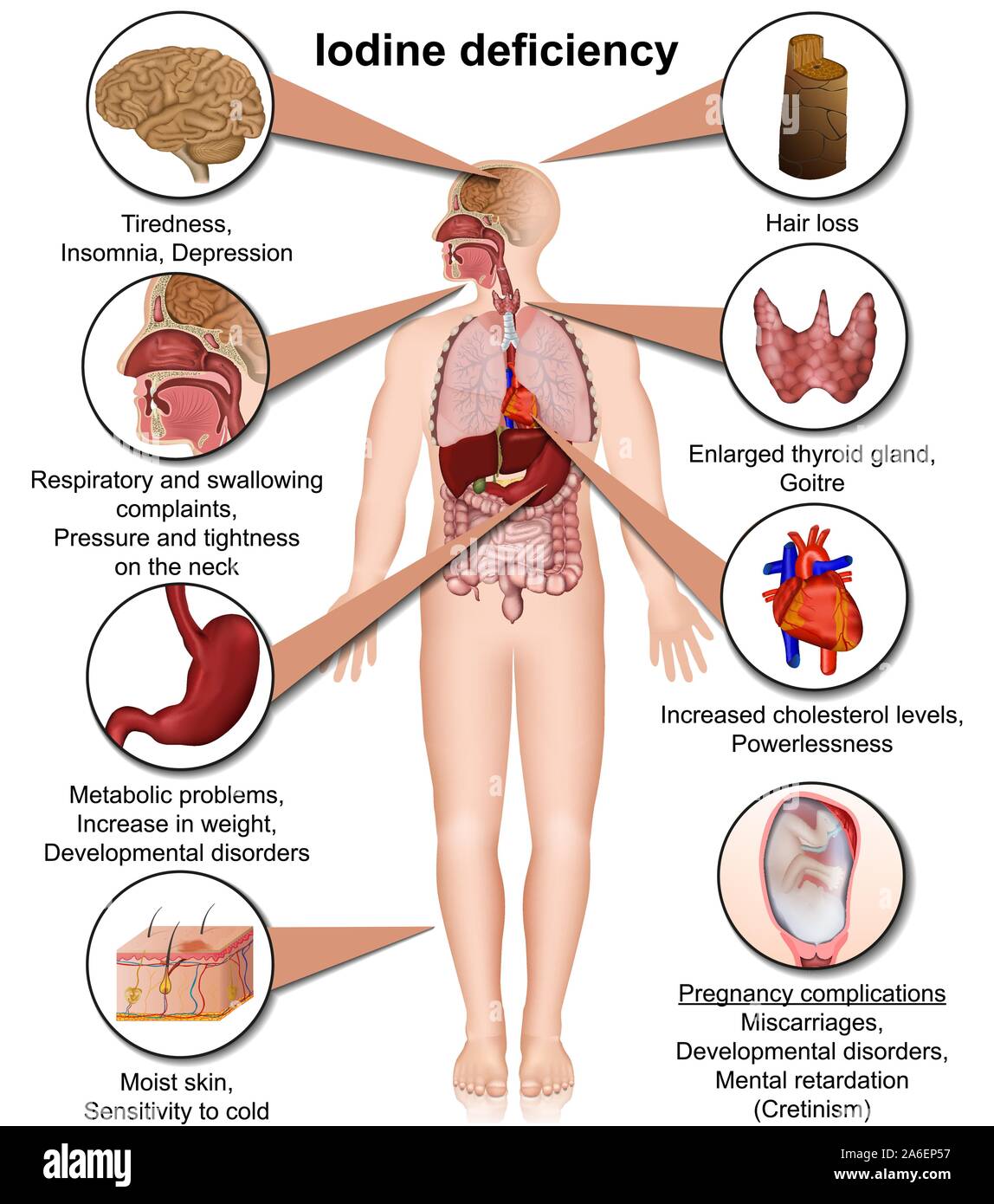
Public health experts point out that the absence of mandatory iodization in the food industry creates a “patchwork” nutritional environment. While the German Nutrition Society (DGE) provides clear guidelines on daily requirements—varying from 100 to 200 micrograms depending on age—translating these guidelines into daily meal planning remains a significant hurdle for many families. The lack of standardized labeling or universal fortification means that parents must actively seek out products containing iodized salt to ensure their children hit these targets.
Strategies for Improving Iodine Intake
Addressing the 44% deficiency rate requires a multi-faceted approach involving both policy and personal dietary adjustments. Health authorities consistently recommend the use of iodized and fluoridated salt at home as an effective and low-cost method to boost intake. Furthermore, increasing the consumption of iodine-rich foods is recommended. The BfR suggests that incorporating two portions of sea fish per week and ensuring daily intake of milk and dairy products can significantly contribute to meeting physiological needs.
For parents concerned about their children’s nutritional status, consulting a pediatrician is the most reliable path forward. Iodine status is typically assessed via urinary iodine concentration, which provides a snapshot of recent intake. While mild deficiency is often asymptomatic, persistent low levels can have long-term consequences, making proactive monitoring and dietary adjustment essential components of pediatric wellness.
Future Outlook and Public Health Policy
The discussion surrounding mandatory iodine fortification in processed foods continues to evolve within the European health policy landscape. Proponents argue that universal fortification would eliminate the current disparities in intake, whereas critics often point to the complexity of regulating the food industry and the preference for voluntary choice. As of 2024, the German authorities maintain a focus on consumer education and the voluntary cooperation of the food sector as the primary mechanisms for improving iodine supply.

Future updates from the German Federal Ministry of Health and the BfR are expected to provide further clarity on whether current voluntary measures are sufficient to lower the 44% deficiency rate. For families and caregivers, the best course of action remains staying informed through official German Nutrition Society updates and prioritizing iodized salt in home cooking. As monitoring programs continue, the data will likely dictate whether more stringent regulatory interventions are required to protect pediatric health outcomes across the country.
If you have questions about your child’s nutritional needs, consult your local pediatrician for guidance tailored to their specific development stage. Stay tuned to World Today Journal for further updates on public health policy and nutrition research.
Keep reading