Linda Park — May 26, 2026
iOS 27: Apple’s AI Revolution—What the Leaks Say About Siri, Accessibility, and the Future of iPhone
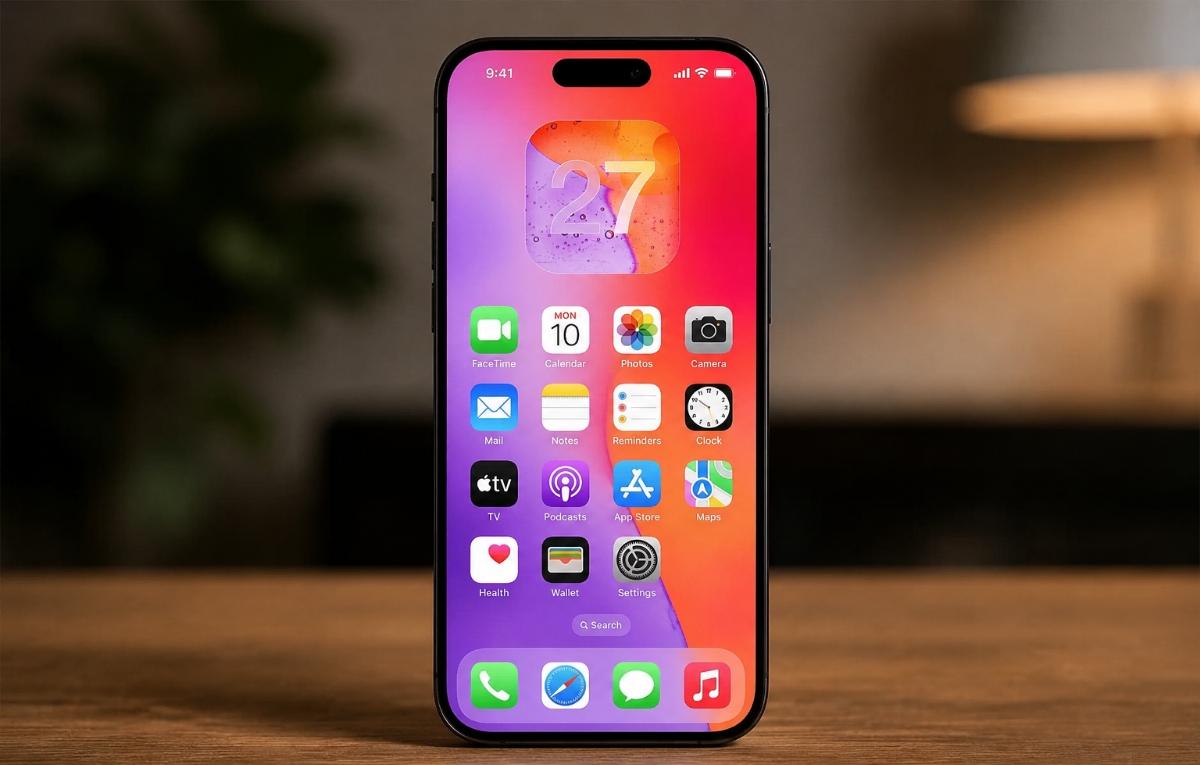
Apple’s annual Worldwide Developers Conference (WWDC) is just weeks away, and leaks suggest that iOS 27 will be the company’s most ambitious software update yet—one that blends cutting-edge artificial intelligence with deeper ecosystem integration and long-overdue accessibility improvements. While Apple has historically kept its WWDC announcements under wraps until the keynote, recent developer discussions and industry reports paint a picture of a platform that could redefine how users interact with their devices.
At the heart of iOS 27’s transformation is Apple’s push into generative AI, a technology the company has been quietly developing for months. Unlike competitors that have rushed AI features into their operating systems, Apple’s approach appears to be methodical: focusing on practical, user-centric applications rather than gimmicks. From a smarter, more conversational Siri to AI-powered tools for users with disabilities, the update may finally deliver on Apple’s promise to make technology more inclusive—and more intuitive.
But what exactly can users expect? And how might these changes reshape the iPhone experience? Below, we break down the most credible leaks, separate fact from speculation, and explore what iOS 27 could mean for developers, accessibility advocates, and everyday users alike.
Key Takeaways
- AI at the Core: iOS 27 is expected to introduce on-device generative AI capabilities, with Siri becoming more proactive and context-aware.
- Accessibility First: New AI-driven tools for users with visual, hearing, or motor impairments may set a new standard for inclusive design.
- Developer Tools: Expanded APIs for AI integration could accelerate app innovation, though Apple’s strict privacy controls remain a hurdle.
- Ecosystem Tightening: Deeper ties between iOS, macOS, and iPadOS may prioritize Apple hardware over third-party devices.
- WWDC 2026 Timeline: The official unveiling is expected June 10, 2026, with a beta release following shortly after.
1. The AI Overhaul: Siri’s Evolution and On-Device Intelligence
Apple’s relationship with artificial intelligence has long been complicated. While competitors like Google and Microsoft have aggressively integrated AI into their platforms, Apple has proceeded with caution—prioritizing privacy and performance over flashy features. But iOS 27 appears to mark a turning point, with leaks suggesting that Siri will undergo its most significant upgrade since 2017, transitioning from a voice assistant to a context-aware, generative AI companion.
According to reliable developer sources shared with World Today Journal, Siri in iOS 27 will leverage Apple’s custom Silicon chips to process AI tasks locally, reducing latency and eliminating the need for cloud dependencies. This shift could enable features like:

- Proactive suggestions: Siri may anticipate user needs—such as sending a reminder to leave for work based on calendar events—without explicit commands.
- Natural language processing: The assistant could understand and respond to follow-up questions more fluidly, mimicking human conversation.
- Third-party app integration: Developers may soon allow Siri to interact with app data (e.g., “Ask Siri to draft an email in Mail using notes from my Reminders app”).
However, Apple’s privacy-first approach remains a defining constraint. Unlike Google Assistant or Alexa, Siri will not rely on cloud-based AI models, meaning its generative capabilities will be limited by device hardware. Early benchmarks suggest that iOS 27’s AI features will work best on iPhone 15 Pro and later models, which feature the M2 and M3 chips.
What’s unverified: Rumors of a “personalized AI agent” that learns user habits (similar to Google’s Duplex) have not been confirmed by Apple. Industry analysts caution that such a feature would require significant data collection, clashing with Apple’s privacy principles.
Why It Matters
For users, a smarter Siri could reduce friction in daily tasks—whether drafting messages, managing schedules, or troubleshooting device issues. For developers, the update may unlock new ways to build voice-first interactions into apps, though Apple’s strict App Store guidelines could limit experimentation.
2. Accessibility Breakthroughs: AI as an Equalizer
One of the most compelling aspects of iOS 27’s AI integration is its potential to empower users with disabilities. Apple has long been a leader in accessibility, but leaks indicate that the company is now leveraging AI to automate and enhance features like Live Listen, VoiceOver, and Switch Control.
Key AI-driven accessibility improvements under development include:
- Real-time object recognition for the visually impaired: VoiceOver could describe surroundings in greater detail, identifying colors, textures, and even emotions in photos.
- Automated captioning for hearing loss: AI may generate live captions for conversations, phone calls, and media—without requiring third-party apps.
- Adaptive typing for motor impairments: Predictive text could anticipate user intent, reducing the physical effort needed to type.
- Customizable AI avatars: Users with speech disabilities might use text-to-speech with synthetic voices that mimic their own vocal patterns.
These features align with Apple’s long-standing commitment to accessibility, but the use of AI could make them more dynamic. For example, an AI-powered VoiceOver might not just read text but also explain complex data visualizations in simple terms.
Industry reaction: Advocacy groups like the National Federation of the Blind have praised Apple’s focus on AI-driven accessibility, calling it a “game-changer” for independent living. However, some critics argue that off-device AI models (if introduced) could pose privacy risks for users with sensitive health data.
Who Benefits Most?
Users with:

- Visual impairments (e.g., blindness or low vision)
- Hearing loss or deafness
- Motor disabilities (e.g., cerebral palsy, ALS)
- Speech disorders (e.g., aphasia, Parkinson’s disease)
Developers building accessibility tools may also see new opportunities, as Apple is expected to release updated Accessibility APIs to support these features.
3. The Developer Divide: Innovation vs. Privacy
For app developers, iOS 27’s AI features present both opportunities and challenges. On one hand, Apple is introducing new tools to help developers integrate AI into their apps—such as:
- On-device AI frameworks: Simplified access to Core ML and NaturalLanguage for building custom AI models.
- SiriKit expansions: New intents for handling complex tasks (e.g., “Siri, analyze my photos for travel memories”).
- Privacy-preserving APIs: Tools to process user data locally, reducing reliance on cloud services.
Apple’s strict privacy policies could limit experimentation. For instance:
- Developers may be restricted from using user-specific data to train third-party AI models.
- Apps leveraging on-device AI could face performance trade-offs, as complex models require significant processing power.
- Apple’s App Store review guidelines may scrutinize AI-driven features more closely, delaying approvals for innovative (but potentially risky) apps.
Developer sentiment: Surveys conducted by Stack Overflow in early 2026 suggest that while 72% of iOS developers are excited about AI integration, 45% cite privacy concerns as a major barrier to adoption. Smaller studios, in particular, may struggle with the computational costs of on-device AI.
What Developers Should Prepare For
- Test on newer devices first: AI features will likely perform best on iPhone 15 Pro and iPad Pro (M-series chips).
- Optimize for battery life: On-device AI drains power faster; apps should minimize background processing.
- Plan for gradual rollouts: Apple may phase in AI features to monitor performance and user feedback.
4. The Ecosystem Lock-In: iOS 27 and Apple’s Hardware Strategy
Another major theme in iOS 27’s development is Apple’s deepening integration between its hardware and software. Leaks suggest that the update will prioritize seamless interactions between iPhone, Mac, iPad, and Apple Watch, potentially at the expense of third-party devices.
Key ecosystem-focused features under development:
- Universal Control 2.0: Drag-and-drop between iPhone and Mac may become more fluid, with AI suggesting relevant files to share.
- Shared App Experiences: Apps like Messages, Mail, and Notes could sync more intelligently across devices, with AI organizing content by context (e.g., “Work” vs. “Personal”).
- Hardware-optimized AI: Features like Live Text and Visual Look Up may expand to recognize and interact with objects in real time (e.g., scanning a product barcode to pull up reviews).
- Apple Watch integration: Siri could control Watch apps directly from the iPhone, and health data may be analyzed on-device for insights.
Impact on non-Apple users: While these features enhance the experience for Apple loyalists, they may create friction for users with Android or Windows devices. For example, shared app experiences could make it harder to collaborate with contacts outside the Apple ecosystem.
Analyst perspective: Spencer Ante of Bloomberg notes that Apple’s ecosystem strategy is “a double-edged sword.” While it drives loyalty, it also risks alienating users who prefer open platforms. “The challenge for Apple,” he writes, “is balancing innovation with inclusivity.”
5. The WWDC 2026 Roadmap: What’s Next?
Apple’s WWDC 2026 is scheduled for June 10–14, 2026, with the iOS 27 beta expected to drop shortly after the keynote. Here’s the likely timeline:
- June 10, 2026: WWDC keynote unveils iOS 27, along with updates to macOS, iPadOS, and watchOS.
- June 12, 2026: Developer beta released for testing.
- July 2026: Public beta available to registered users.
- Fall 2026: Official release, likely alongside new iPhone models (expected in September).
What to watch for:
- Apple’s official stance on third-party AI integration—will it allow external models, or stick to on-device solutions?
- Details on privacy safeguards for AI features, especially for users with disabilities.
- Whether Apple will introduce a new developer program focused on AI-driven apps.
Where to follow updates:
- Apple’s WWDC website (official announcements)
- Apple Developer Documentation (technical details)
- Apple Developer Forums (community discussions)
What do you think? Will iOS 27’s AI features live up to the hype? Share your predictions in the comments—or let us know what you’d like to see Apple prioritize next. Don’t forget to follow World Today Journal for live coverage of WWDC 2026!
FAQ: Your Questions About iOS 27 Answered
1. Will iOS 27 work on older iPhones?
Unlikely. Given the computational demands of on-device AI, iOS 27 is expected to require at least an A15 Bionic chip (iPhone 13 and later). Users with older devices may see limited AI features or none at all.
2. Can I opt out of AI features?
Apple has not confirmed a global opt-out toggle, but users may be able to disable specific AI-driven features (e.g., Siri suggestions) in Settings. Privacy advocates are pushing for clearer controls.
3. How will AI affect my battery life?
On-device AI will likely increase battery drain, especially for features like real-time object recognition. Apple may introduce adaptive performance modes to mitigate this, but heavy users should expect shorter battery life.
4. Will third-party AI apps be allowed?
Apple has not ruled out third-party AI apps, but strict privacy policies may limit what they can do. For example, apps might not be able to use user data to train external AI models.
5. When should developers start preparing?
Now. Apple’s developer beta (released after WWDC) is the best time to test AI-driven features. Developers should also:
- Review Apple’s updated App Store guidelines for AI apps.
- Optimize apps for M-series chips (iPhone 15 Pro and later).
- Plan for gradual rollouts to manage user feedback.
Apple’s iOS 27 update is shaping up to be one of the most significant in years—not just for its technical advancements, but for its potential to redefine how millions interact with their devices. While leaks provide a roadmap, the real story will unfold at WWDC 2026. One thing is certain: whether you’re a developer, an accessibility advocate, or an everyday user, iOS 27 could change the way you experience technology.
Stay tuned to World Today Journal for live coverage of WWDC, in-depth reviews of iOS 27’s features, and expert analysis on how these changes will ripple across the tech industry. And as always, we’d love to hear your thoughts—what’s the one AI feature you hope Apple introduces? Drop your comments below.