
The recent surge in “raw milk” consumption, fueled by viral social media trends and wellness influencers, has triggered a wave of concern among global health authorities and food safety experts. While proponents of the trend claim that unpasteurized milk offers superior nutritional benefits, a growing chorus of scientists—including prominent faculty from IPB University in Indonesia—is warning of significant, potentially life-threatening biological risks.
As the trend gains momentum in various markets, the disconnect between influencer-driven dietary advice and established microbiological reality has become a point of intense debate. For the global consumer, the question is no longer just about nutrition, but about the fundamental safety of the dairy supply chain. The risks are not merely theoretical; they are rooted in the documented presence of dangerous pathogens that thrive in unpasteurized dairy products.
This report examines the scientific basis behind the warnings issued by food technology experts, the specific bacterial threats posed by raw milk, and the broader economic push toward dairy modernization to mitigate these public health risks. As the industry moves toward more rigorous safety standards, understanding the distinction between “natural” and “safe” has never been more critical for the global consumer.
The Microbiological Reality: Why Raw Milk Carries Significant Risk
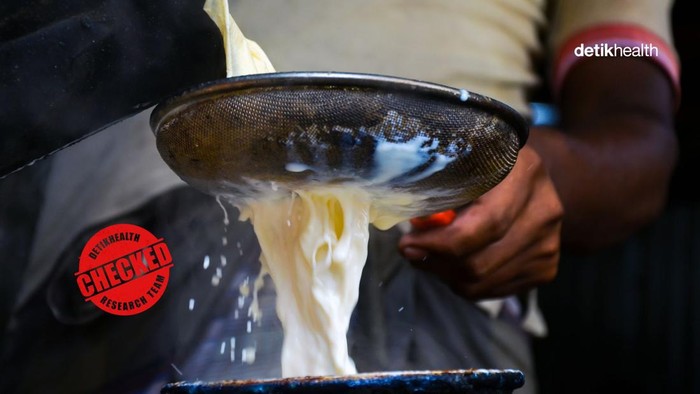
The primary danger of raw milk lies in its lack of pasteurization—a process involving controlled heating to kill harmful bacteria without significantly altering the milk’s nutritional profile. Without this critical intervention, milk becomes a primary vehicle for various foodborne pathogens. Experts from IPB University and international health organizations have repeatedly emphasized that the “natural” state of milk is often a state of biological vulnerability.
According to the Centers for Disease Control and Prevention (CDC), consuming raw milk can lead to serious infections caused by several types of bacteria that are easily neutralized through heat treatment. These include:
- Campylobacter: One of the most common causes of bacterial diarrhea worldwide, often leading to severe abdominal pain and fever.
- Salmonella: A pathogen that can cause widespread gastrointestinal distress and, in severe cases, systemic infection.
- Escherichia coli (E. Coli): Specifically strains like Shiga toxin-producing E. Coli (STEC), which can lead to hemolytic uremic syndrome (HUS), a type of kidney failure.
- Listeria monocytogenes: A particularly dangerous pathogen for pregnant women, as it can lead to miscarriage, stillbirth, or severe illness in newborns.
The presence of these bacteria is not always a sign of poor hygiene at the farm level; they can enter the milk through various channels, including animal feces, skin contact, or contaminated milking equipment. This inherent unpredictability is why food scientists argue that “clean” farm practices are never a substitute for the standardized safety of pasteurization.
Expert Warnings: The IPB University Perspective on Food Safety
In the context of Southeast Asian markets, specifically Indonesia, professors and researchers from IPB University (Bogor Agricultural University) have become leading voices in the discourse on dairy safety. As a premier institution for agricultural science, IPB’s expertise is frequently sought to address the nuances of local dairy production and the rising trend of consuming unpasteurized products.
Experts from the university have highlighted that the “viral” nature of raw milk consumption often ignores the complexities of tropical microbiology. In warmer climates, the proliferation of bacteria in raw dairy can occur even more rapidly if the cold chain is not perfectly maintained. The warnings issued by IPB faculty focus on the misconception that “freshness” equates to “safety.” While raw milk may be fresh from the farm, it lacks the biological “kill step” required to ensure it is free from microscopic contaminants.
the academic community has pointed out that the lack of regulation in the informal raw milk market makes it nearly impossible for consumers to verify the safety of what they are purchasing. Unlike commercially processed milk, which must adhere to strict national standards (such as those set by BPOM in Indonesia), raw milk sold through informal channels bypasses the rigorous testing and traceability protocols that protect the public.
The Economic Shift: Modernizing the Dairy Industry for Safety
The tension between the raw milk trend and public health mandates is driving a significant structural shift in the global and regional dairy industries. To combat the risks associated with traditional, often unhygienic milking practices, there is a concerted effort to move toward “modern dairy farming.”
In Indonesia, this modernization is being spearheaded by collaborations between academic institutions like IPB University and major industry players, such as Frisian Flag. The goal is to transition from small-scale, fragmented production to integrated, technologically advanced dairy systems. This shift is not merely about increasing yield; it is fundamentally about food safety and risk management.
Key components of this modernization include:

- HACCP Implementation: Adopting Hazard Analysis and Critical Control Points (HACCP) protocols to identify and prevent biological, chemical, and physical hazards at every stage of production.
- Automated Milking Systems: Reducing human contact and environmental exposure to minimize the risk of bacterial contamination.
- Enhanced Cold Chain Logistics: Utilizing advanced refrigeration technology to ensure that milk is kept at optimal temperatures from the moment of milking to the point of consumption.
- Traceability Technology: Implementing digital tracking systems that allow regulators and consumers to trace milk back to the specific farm and batch.
From a business perspective, this modernization is essential for the long-term viability of the dairy sector. Foodborne illness outbreaks can devastate consumer trust and lead to massive economic losses for producers and retailers alike. By investing in safety, the industry is essentially investing in its own market stability.
Global Standards: Comparing Raw Milk Trends to International Safety Protocols
The debate over raw milk is not unique to Indonesia; it is a global phenomenon. However, the regulatory response varies significantly by region. In many developed economies, the sale of raw milk for direct human consumption is heavily restricted or prohibited due to the high cost of outbreaks to the healthcare system.
The World Health Organization (WHO) maintains strict guidelines on food safety, emphasizing that pasteurization is one of the most effective public health interventions in history. The WHO notes that while milk is a vital source of nutrients, the benefits of unpasteurized milk are vastly outweighed by the risks of foodborne diseases.
In the United States, the FDA regulates milk safety through strict state-level and federal mandates, focusing on the prevention of contamination at the source. In Europe, while some countries allow for the sale of raw milk under incredibly specific, highly regulated conditions, the emphasis remains heavily on strict hygiene and immediate consumption. The “viral” trend seen on social media often presents a sanitized, idealized version of raw milk consumption that fails to account for these complex regulatory and biological realities.
Key Takeaways: Navigating Dairy Safety
For consumers looking to make informed decisions about their dairy intake, the following points summarize the current scientific and industry consensus:
- Pasteurization is Essential: There is no scientific evidence that pasteurization removes the nutritional value of milk, but there is overwhelming evidence that it removes dangerous pathogens.
- “Natural” Does Not Mean “Safe”: Biological contaminants like E. Coli and Salmonella are natural parts of the microbial landscape and can be present even in “clean” environments.
- Follow Regulated Sources: Prioritize milk products that have undergone standardized processing and are sold through regulated retail channels.
- Be Wary of Social Media Trends: Influencer endorsements are not a substitute for clinical research or public health guidance.
Frequently Asked Questions (FAQ)
Is raw milk more nutritious than pasteurized milk?
While raw milk contains certain enzymes and probiotics, most health experts and nutritional scientists agree that the nutritional difference is negligible compared to the significant increase in health risks. Pasteurization is designed to target pathogens, not essential nutrients.
Can I make raw milk safe at home by boiling it?
While boiling milk can kill many bacteria, it is not a controlled process like industrial pasteurization. Achieving the precise temperature and duration required to ensure safety across an entire batch of milk can be difficult in a domestic setting, and home-boiled milk may also suffer from changes in taste and texture.
Who is most at risk from consuming raw milk?
While anyone can fall ill, certain “high-risk” groups are more likely to suffer severe or even fatal complications from foodborne pathogens found in raw milk. These include young children, the elderly, pregnant women, and individuals with compromised immune systems.
How can I tell if milk is pasteurized?
In most regulated markets, milk packaging must clearly state whether the product is “pasteurized” or “ultra-pasteurized.” Always check the label before purchasing.
As global food safety standards continue to evolve, regulatory bodies and agricultural institutions are expected to increase oversight on the informal dairy market to prevent potential outbreaks. We will continue to monitor official updates from health ministries and food safety agencies regarding new guidelines or safety advisories.
What are your thoughts on the rise of the raw milk trend? Do you prioritize “natural” products or strictly follow safety guidelines? Share your views in the comments below and share this article to spread awareness.
Worth a look