
Consumers looking for current market pricing for the iPhone 12 Pro in Saudi Arabia and the broader Arab region face a market defined by the transition from retail availability to secondary-market dominance. As of late 2024, the iPhone 12 Pro is no longer manufactured or sold as a new device through Apple’s official direct-to-consumer channels, shifting the focus for buyers toward pre-owned, refurbished, and remaining inventory in third-party retail outlets. Pricing varies significantly based on device condition, storage capacity, and regional import costs.
Current Market Availability and Pricing Trends
The iPhone 12 Pro, which Apple originally launched in October 2020, has been officially discontinued by the manufacturer to make room for newer iterations in its product lineup, as noted in the official Apple Newsroom archives. Because production has ceased, there is no longer a standard “retail price” set by the company. In the Saudi Arabian market, prices for units in “like-new” or “refurbished” condition typically range between 1,800 SAR and 2,400 SAR, depending on the storage tier (128GB, 256GB, or 512GB) and the credibility of the refurbishing entity. These figures represent a significant depreciation from the device’s original launch price of $999 USD, a trend consistent with the standard lifecycle of premium smartphones.
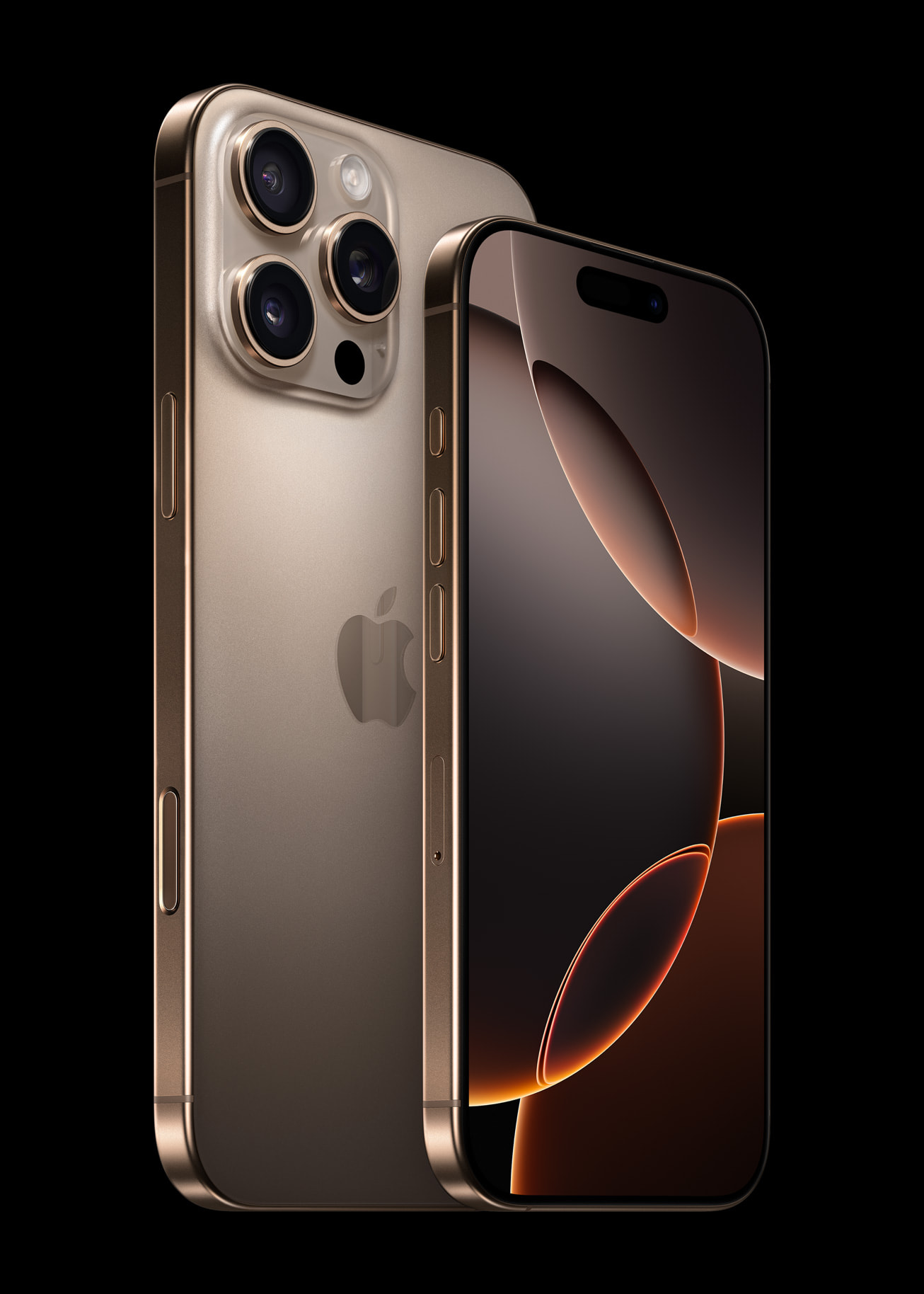
In other parts of the Arab world, such as the United Arab Emirates and Egypt, the secondary market dictates the price. According to market data from regional e-commerce platforms, devices sold by certified refurbishers often carry a warranty of 3 to 6 months, which influences the higher end of the price bracket. Conversely, private sales through classified platforms often present lower, albeit riskier, entry points for consumers. Buyers are encouraged to verify the battery health percentage and screen authenticity, as these are the most common points of failure in aging hardware.
Technical Specifications and Performance Longevity
Despite being several years old, the iPhone 12 Pro remains a capable device for many users due to its A14 Bionic chip and support for 5G connectivity. The device features a Super Retina XDR display and a triple-camera system, which were considered industry-leading at the time of its release. According to Apple’s software support policies, the device continues to receive major iOS updates, ensuring compatibility with the latest security patches and application requirements for the near future.
For users considering a purchase, the hardware remains relevant for daily tasks, photography, and streaming. However, the lack of newer features—such as the ProMotion display found on the iPhone 13 Pro and later, or the USB-C charging port introduced with the iPhone 15 series—marks the device as a legacy product. Those prioritizing longevity may find that the cost-to-performance ratio favors newer, mid-range models currently available at similar price points in the retail market.
Factors Influencing Regional Price Fluctuations
Several variables contribute to the variance in iPhone 12 Pro pricing across the Middle East. Import taxes, local retail markups, and the availability of official Apple Authorized Service Providers (AASPs) in specific countries play a role in the final cost to the consumer. In Saudi Arabia, the strict regulation of electronic commerce by the Ministry of Commerce provides a level of consumer protection for those buying from licensed retailers, which can result in slightly higher, yet safer, price points compared to unregulated markets.
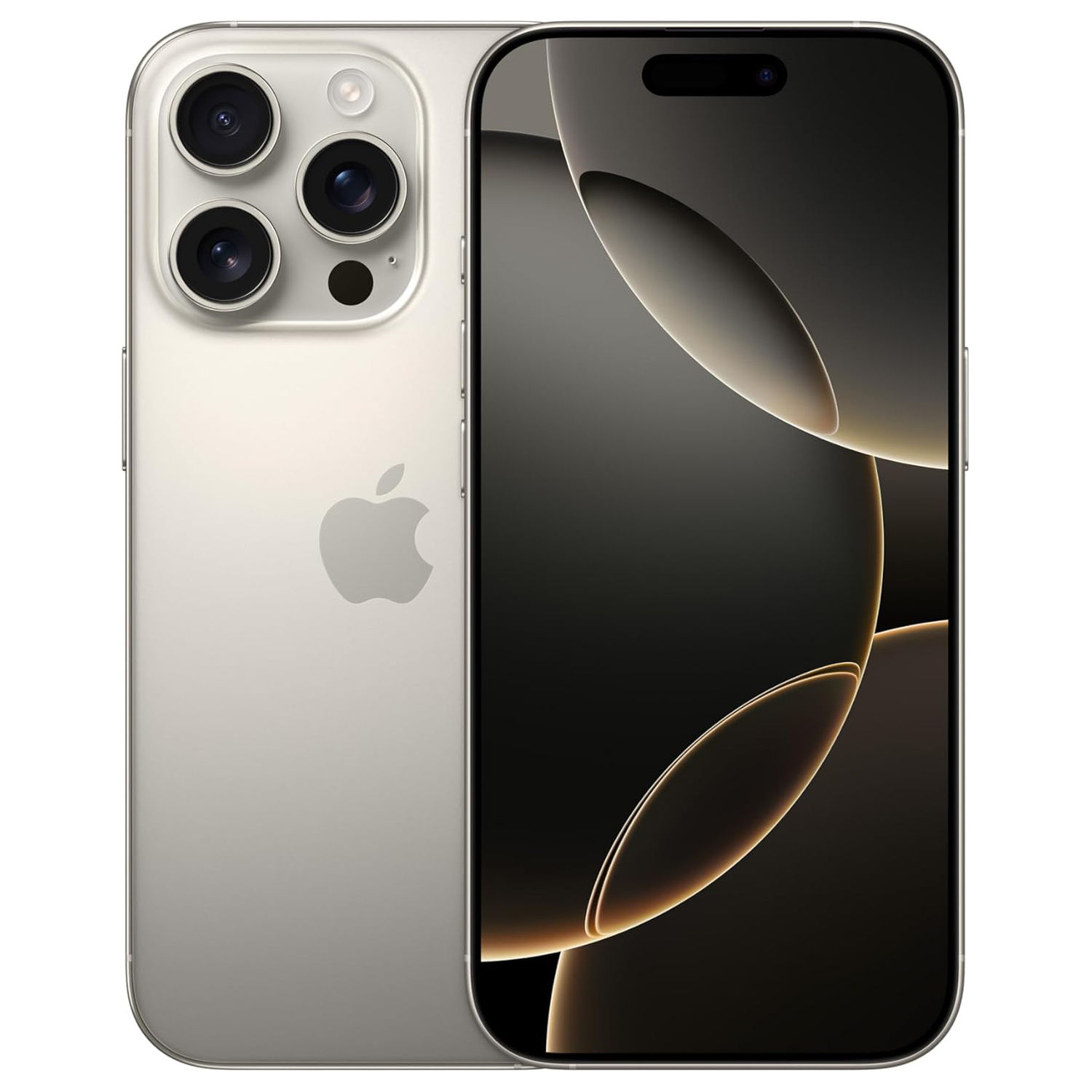
Buyers should also be wary of “renewed” units that may use non-genuine parts. Genuine Apple components, particularly displays and batteries, are verified through the device’s software settings. Experts recommend checking the “About” section in the iOS settings to confirm if any parts have been replaced with non-Apple components, as this significantly impacts the resale value and long-term reliability of the device.
Future Software Support and Market Outlook
The primary consideration for any prospective buyer of the iPhone 12 Pro is the remaining window of full software support. While Apple has not provided a definitive “end-of-life” date for the iOS support of this specific model, historical trends suggest that devices typically receive major operating system updates for approximately five to six years post-launch. With the iPhone 12 Pro entering its fifth year, users should anticipate a gradual reduction in new feature support in upcoming annual software cycles.
As the device ages, the market value is expected to continue its decline, eventually stabilizing as a budget-friendly entry point into the Apple ecosystem. For those who require the latest features, the current market trend shows a shift toward the iPhone 14 and 15 series, which offer longer support windows and improved hardware capabilities. Readers are encouraged to monitor official announcements from local retail associations regarding holiday sales or seasonal discounts, which often impact the secondary market for older iPhone models.
What has been your experience buying refurbished electronics in the region? We invite you to share your insights or questions in the comments section below to help other consumers make informed decisions.
Keep reading