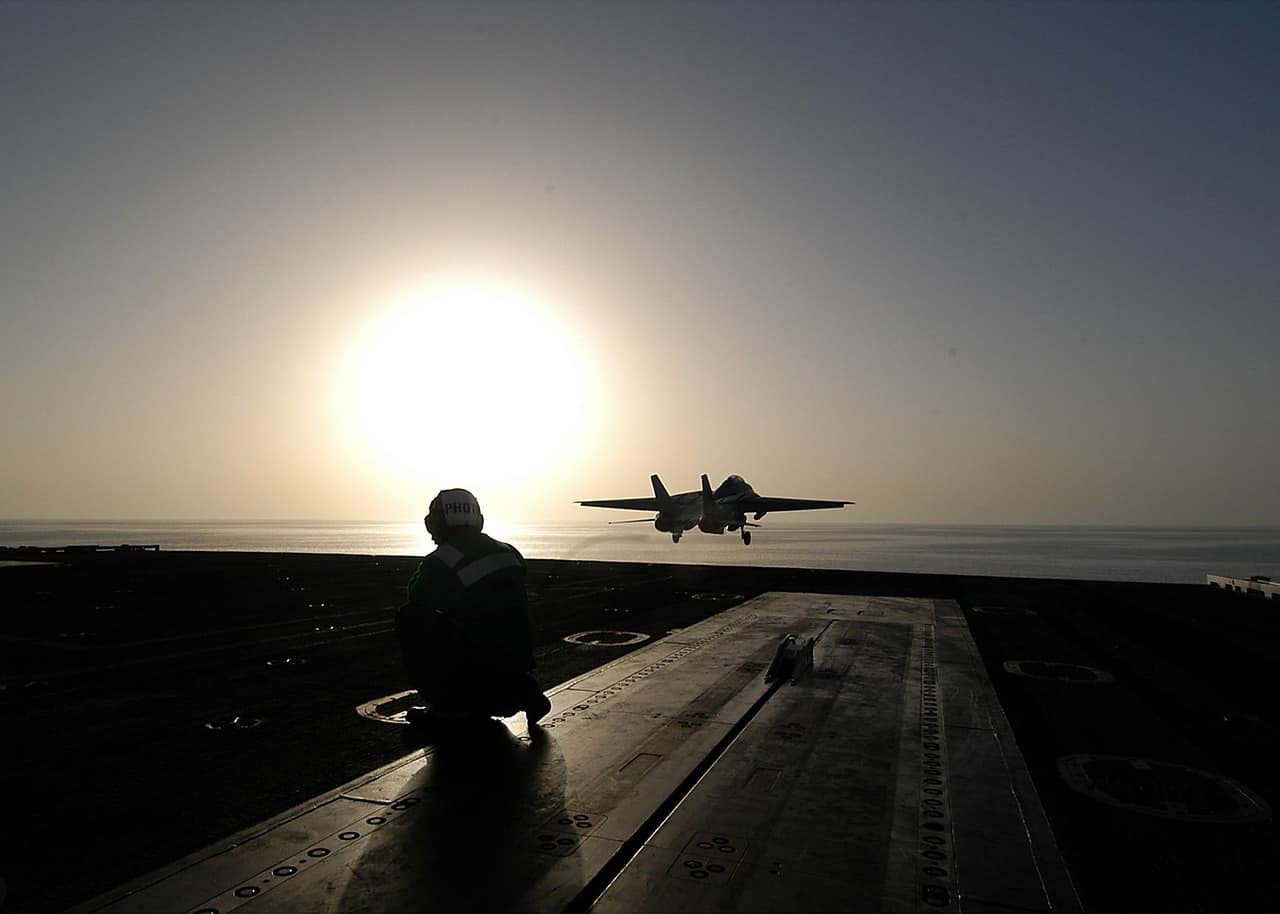
The United States is reportedly planning to reduce the number of fighter jets and warships assigned to NATO in Europe as the alliance shifts its defense strategy to prioritize long-term domestic readiness and emerging security challenges. According to reporting from the New York Times, the planned drawdown comes as European member states are increasingly expected to assume greater responsibility for regional deterrence following the 2022 Russian invasion of Ukraine.
This potential shift in the US military posture arrives at a critical juncture for the North Atlantic Treaty Organization. Since the escalation of the conflict in Ukraine, the alliance has focused on increasing its “deterrence and defense” posture along the eastern flank, with many European nations, including Germany and Poland, pledging significant increases to their national defense budgets, as tracked by the NATO Secretary General’s Annual Report.
Shifting Defense Requirements
The core of the reported plan involves a transition from the current surge of US assets in Europe toward a more sustainable, long-term deployment model. For years, the US has maintained a heightened presence to reassure allies, but military planners are now facing competing demands, including the need to modernize domestic forces and address security concerns in the Indo-Pacific region.

According to the Department of Defense’s 2022 National Defense Strategy, the US military must balance its commitments to European security with the necessity of maintaining a technological edge against pacing challenges elsewhere. The reported reduction in fighter jets and naval vessels is framed not as a withdrawal from NATO, but as an optimization of resources, allowing the Pentagon to focus on readiness and maintenance cycles that have been strained by years of continuous, high-tempo operations.
The Evolution of European Defense Capacity
As the United States recalibrates its footprint, the burden of maintaining regional stability is shifting toward the European allies. The “burden-sharing” debate has been a central theme in NATO for decades, but the urgency has intensified since 2022. Currently, 23 of the 32 NATO allies are meeting or exceeding the guideline of spending 2% of their GDP on defense, a significant increase from years past, according to official NATO data released in June 2024.
European governments are currently investing in advanced capabilities, including fifth-generation aircraft like the F-35 and improved anti-submarine warfare platforms. These investments are intended to fill the gaps left by the rotating presence of US forces. However, military analysts note that while procurement is accelerating, the operational integration of these new systems remains a multi-year process that requires consistent coordination through the NATO Force Structure.
Operational Implications for NATO
The planned drawdown will likely be a primary focus of upcoming ministerial meetings, where defense ministers evaluate the current readiness levels of the alliance. Any reduction in US assets will necessitate a careful synchronization with European air defense and naval patrols to ensure no “deterrence gap” emerges that could be exploited by adversaries.
The timeline for these adjustments has not been publicly finalized, and military officials often utilize a phased approach to ensure that regional security remains intact during transitions. The alliance’s next major milestone for assessing these force levels will occur during the NATO Defense Ministers meetings, where member states coordinate their contributions to the Allied Reaction Force. As the situation develops, further details regarding the specific squadrons or vessel classes affected will likely be clarified through official Pentagon briefings and NATO communiqués.
Readers interested in the latest updates on NATO force posture and US defense policy can track official announcements through the Department of Defense newsroom. We invite you to share your perspective on these strategic shifts in the comments section below.