
The anticipation surrounding Apple’s next hardware cycle is reaching a fever pitch as reports emerge regarding the potential market impact of the upcoming iPhone 17 series. While the company typically maintains a strict veil of secrecy until its annual autumn events, recent discussions among industry analysts and financial observers suggest that the iPhone 17 lineup could become the most popular series in the company’s history.
This surge in projected interest is not merely based on incremental hardware updates but is tied to a strategic shift in how Apple tiers its devices. With rumors of a brand-new “Slim” or “Air” model and a comprehensive overhaul of the display technology across the entire range, the 17 series is positioned to trigger a massive “super-cycle” of upgrades for users currently holding devices from three or four generations ago.
For technology enthusiasts and investors, the stakes are high. The transition to more advanced AI integration—branded as Apple Intelligence—requires hardware capabilities that older iPhones simply cannot support, effectively forcing a hardware refresh for millions of global users. As we move toward the 2026 release window, the narrative is shifting from whether the iPhone can still innovate to how Apple will manage the unprecedented demand for these specific models.
The Strategic Shift: Introducing the iPhone 17 Slim
One of the most significant drivers of the projected popularity for the iPhone 17 is the rumored introduction of a high-end, ultra-thin model. While Apple has historically focused on “Pro” and “Pro Max” as the pinnacle of its lineup, reports indicate a desire to pivot toward a design-centric flagship that prioritizes a radically slim profile without sacrificing performance.
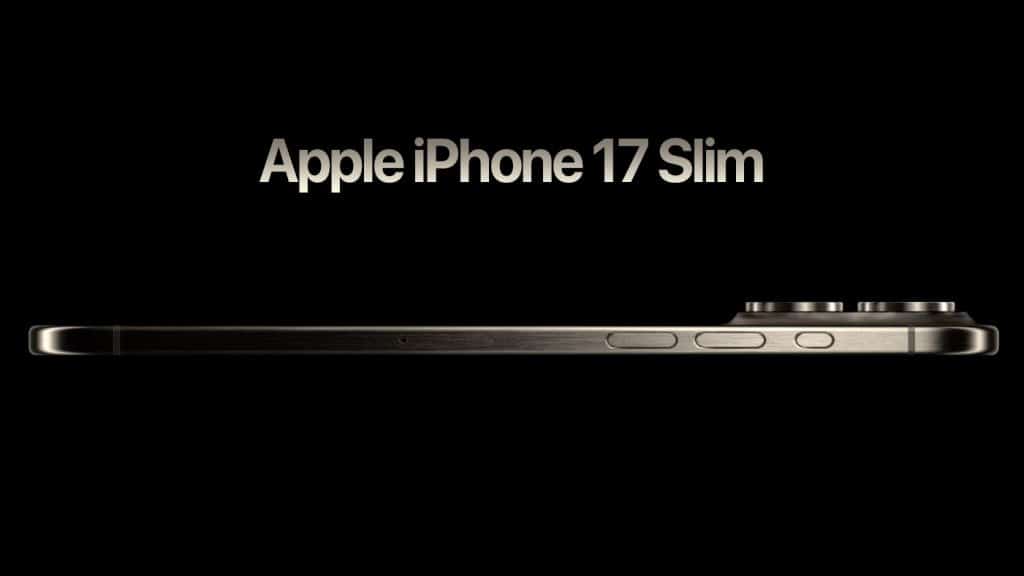
This fresh model, often referred to in supply chain leaks as the “iPhone 17 Slim” or “iPhone 17 Air,” is expected to occupy a unique price point—potentially higher than the Pro Max—positioning it as a luxury status symbol. By diversifying the lineup, Apple can capture both the power-user market and a new segment of aesthetic-driven consumers who find the current Pro models too bulky.
Industry analysts suggest that this move mirrors the successful introduction of the iPad Pro’s M4 redesign, where extreme thinness was paired with peak performance. If Apple can successfully implement a similarly thin chassis in the iPhone 17, it could redefine the industry standard for smartphone industrial design, driving the most popular lineup
claim mentioned in recent financial discourse.
Display Evolution: ProMotion for Everyone
For years, one of the most criticized aspects of the standard iPhone models has been the 60Hz refresh rate, while the Pro models enjoyed the fluidity of ProMotion (120Hz). The iPhone 17 is widely expected to bridge this gap, bringing LTPO (Low-Temperature Polycrystalline Oxide) displays to the entire lineup, including the base models.
This change is more than just a visual upgrade; It’s a prerequisite for the more advanced power-saving features and always-on display capabilities that users have approach to expect. By democratizing the high-refresh-rate screen, Apple removes a primary reason for users to “settle” for the base model, potentially increasing the overall value perception of the entire 17 series.
reports from display supply chains suggest that Apple is working on a new, more scratch-resistant and anti-reflective coating for the iPhone 17. This would address a common consumer pain point—screen durability—making the devices more appealing to a broader global audience who prioritize longevity over raw specifications.
Apple Intelligence and the Hardware Mandate
The catalyst for the iPhone 17’s projected success is the deep integration of generative AI. While Apple Intelligence began its rollout with the iPhone 15 Pro and the iPhone 16 series, the iPhone 17 is expected to be the first generation designed from the ground up to maximize these capabilities through increased RAM and a more efficient Neural Engine.
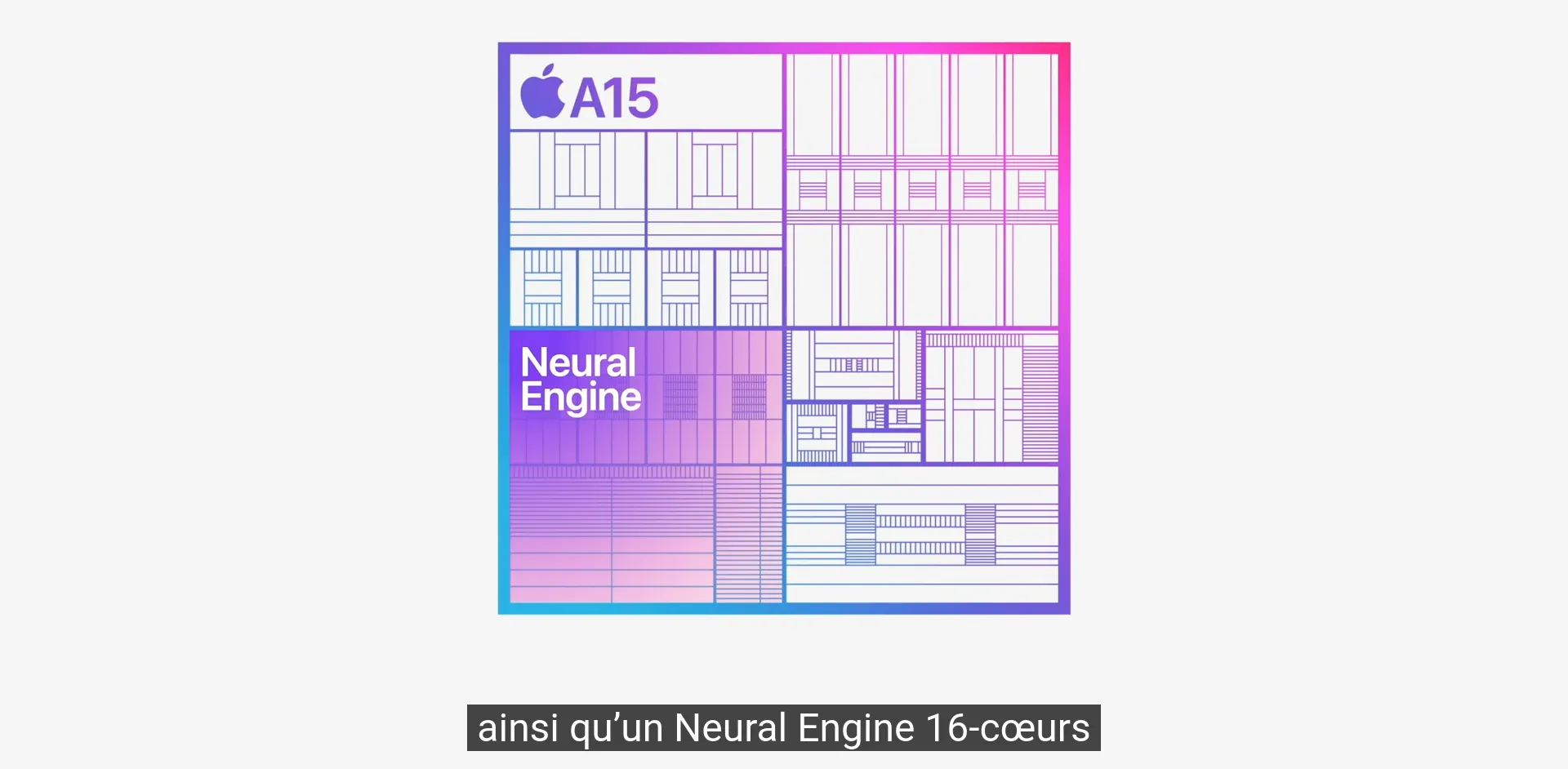
To run complex Large Language Models (LLMs) locally on-device, smartphones require significant memory. Notice persistent reports that the iPhone 17 Pro models may jump to 12GB of RAM, up from the 8GB found in current models. This increase is critical for maintaining the speed and privacy of AI operations without relying solely on cloud processing.
This “hardware mandate” creates a compelling reason for users of the iPhone 12, 13, and 14 to upgrade. Since these older devices lack the NPU (Neural Processing Unit) power to run the full suite of Apple Intelligence features, the iPhone 17 becomes the logical destination for a vast majority of the installed base, fueling the projected demand.
Key Technical Expectations for the iPhone 17 Series
| Feature | Standard/Slim Models | Pro/Pro Max Models |
|---|---|---|
| Display | 120Hz ProMotion (LTPO) | 120Hz ProMotion + Advanced Coating |
| RAM | 8GB – 12GB (Projected) | 12GB (Projected) |
| Chipset | A19 Bionic | A19 Pro |
| AI Capability | Full Apple Intelligence | Advanced Local LLM Processing |
| Design | Ultra-thin “Slim” variant | Refined Titanium Chassis |
Market Impact and the Global Supply Chain
The claim that the iPhone 17 could be the most popular lineup has significant implications for Apple’s supply chain. To meet this projected demand, Apple is expected to further diversify its manufacturing hubs, reducing reliance on single-region production to avoid the bottlenecks experienced during the iPhone 14 and 15 launches.
From a financial perspective, a “super-cycle” would provide a massive boost to Apple’s services revenue. More users with updated hardware means more subscriptions to iCloud+, Apple Music, and potentially new AI-driven premium services. The hardware is the gateway; the ecosystem is where the long-term value resides.
Yet, this ambition faces challenges. Global economic volatility and the rise of competitive AI-integrated handsets from rivals in Asia indicate that Apple cannot rely on brand loyalty alone. The iPhone 17 must deliver a “tangible” leap in utility—not just a thinner phone—to justify its status as the most popular lineup.
What This Means for the Consumer
For the average consumer, the iPhone 17 cycle represents a shift from “incrementalism” to “transformation.” In recent years, the jump from one iPhone generation to the next has felt minimal. The 17 series, however, promises three distinct pivots: a new physical form factor (the Slim), a universal display upgrade, and a fundamental change in how the phone thinks via AI.
Those currently using an iPhone 13 or older will likely find the 17 to be the most significant upgrade in a decade. The combination of a vastly improved screen, a lighter design, and a device that can act as a proactive personal assistant rather than a reactive tool makes the wait worthwhile.
Prospective buyers should monitor official announcements regarding Apple Intelligence’s regional availability, as the “popularity” of the 17 will depend heavily on whether these AI features are fully localized and functional in markets like Europe, China, and South Korea.
The next official checkpoint for the Apple ecosystem will be the company’s quarterly earnings calls and the subsequent developer conferences, where further hints regarding the A19 chip architecture and iOS 19’s AI capabilities are expected to surface. We will continue to track the supply chain developments as we approach the official unveiling.
Do you believe the “Slim” design is enough to trigger a new upgrade cycle, or is AI the real draw? Share your thoughts in the comments below and subscribe to our tech newsletter for the latest updates.
Related reading