
Poland has issued a stark warning regarding the stability of the North Atlantic Treaty Organization, describing the current state of the alliance as facing a risk of disintegration
. This alarm comes amid deepening rifts within the alliance, specifically tied to conflicting strategic responses to the ongoing conflict involving Iran and the perceived unpredictability of U.S. Security guarantees.
The warning reflects a growing anxiety among Eastern European nations, who view the U.S. Presence as the bedrock of their national security. Polish officials have characterized the current trend of fragmentation as disastrous
, suggesting that the cohesion of the alliance is being eroded by internal disagreements over how to handle Middle Eastern crises and the reliability of the mutual defense pact. Reporting from Anadolu Agency indicates that this friction is particularly acute as NATO members clash over the level of support required for the war in Iran.
The geopolitical tension is further amplified by rhetoric from the United States. Polish Foreign Minister Radosław Sikorski has urged allies, particularly those on the eastern flank, to treat the potential withdrawal of the U.S. From NATO as a possible scenario
that must be taken seriously. This call for a Plan B
underscores a shift in Polish strategic thinking, moving from a reliance on U.S. Leadership to a more cautious, self-reliant security posture. Sikorski highlighted this necessity in a public statement on X (formerly Twitter) on April 2, 2026.
The Iran Conflict as a Catalyst for NATO Fragmentation
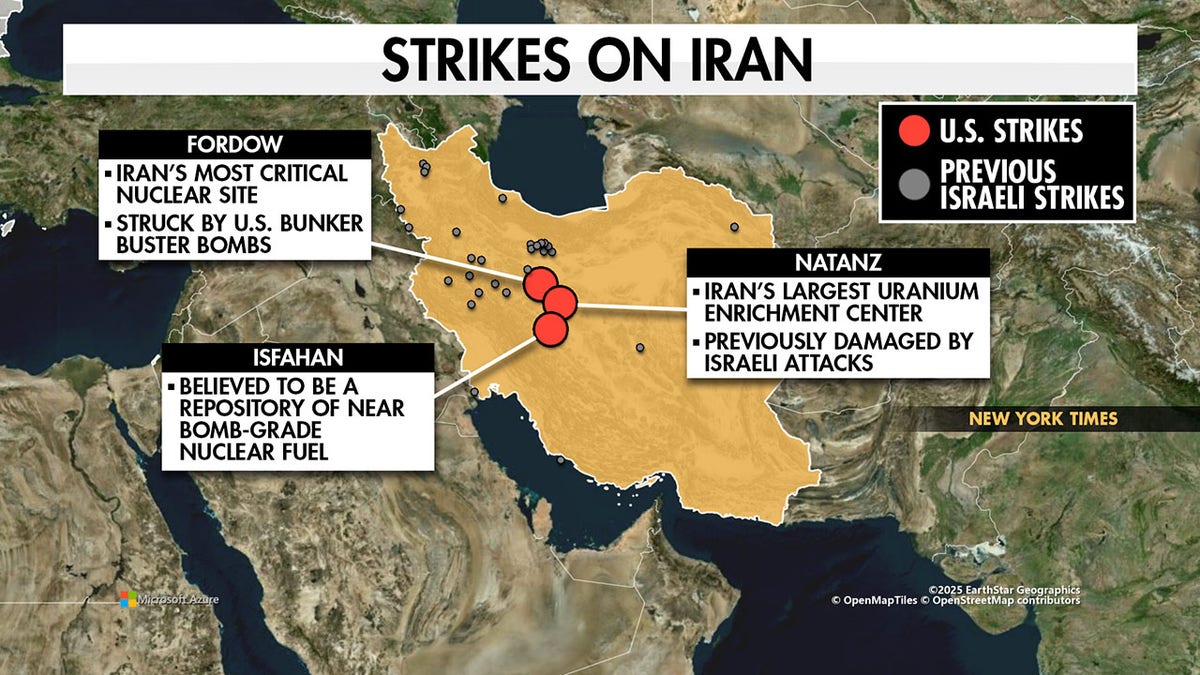
The primary driver of the current instability is the divergent approach to the war in Iran, which began on February 28, 2026. While U.S. President Donald Trump called for NATO allies to support the effort, the response from Europe has been fragmented. Some nations, such as the United Kingdom, provided limited or qualified support, while others—most notably Spain—refused to assist the U.S. Entirely. Analysis from The Conversation suggests that this push for support on Iran may be eroding U.S. Influence within the alliance and threatening its internal cohesion.
For Poland, the risk is not merely a diplomatic disagreement but a fundamental security threat. The fear is that if the alliance can be split over a conflict in the Middle East, the collective resolve to defend the eastern flank against Russian aggression may similarly weaken. Polish Prime Minister Donald Tusk has openly questioned whether the United States would remain loyal
to its commitments to defend Europe in the event of a Russian attack. In an interview with the Financial Times, Tusk argued that the European Union must evolve into a true alliance
capable of protecting the continent independently. Euronews reported on Tusk’s comments following an informal EU summit in Cyprus.
The “Paper Tiger” Rhetoric and Eastern Flank Anxiety
The psychological impact of U.S. Leadership’s rhetoric cannot be overstated. President Trump has repeatedly criticized NATO, at times referring to the alliance as a paper tiger
. This language, combined with doubts raised about the mutual defense pact, has stoked fears in Warsaw and other Baltic capitals. The concern is that Article 5—the cornerstone of NATO, which dictates that an attack on one member is an attack on all—could be interpreted conditionally or ignored entirely by Washington. Yenişafak reports that this environment has forced Poland to prioritize alternative security arrangements.
The current atmosphere is one of strategic urgency. Poland’s military spending and infrastructure development are now being viewed through the lens of potential U.S. Isolationism. The “disintegration” warned of by Polish officials refers to a scenario where NATO exists in name, but the actual mechanism of collective defense is defunct due to a lack of U.S. Political will or a breakdown in trust between North American and European members.
Strategic Implications for European Security
The potential for NATO’s disintegration would necessitate a complete overhaul of European security architecture. If the U.S. Were to withdraw or significantly reduce its presence, the burden of deterrence against Russia would fall entirely on European powers. This shift would require not only increased defense spending but also a level of political integration within the EU that has yet to be achieved.
The current crisis highlights three critical vulnerabilities in the current global order:
- Dependency on U.S. Hegemony: The admission by various European leaders—including Portuguese Defense Minister Nuno Melo, who stated there is
no NATO without the United States
—confirms that the alliance is structurally dependent on U.S. Capabilities. Observador documented this admission on April 30, 2026. - Strategic Divergence: The rift over the Iran war demonstrates that NATO lacks a unified strategic consensus on threats outside the Euro-Atlantic area, allowing regional conflicts to destabilize the alliance’s core.
- Erosion of Trust: The transition from seeing the U.S. As a reliable guarantor to a potential liability is a profound shift in the geopolitical psyche of Eastern Europe.
What Happens Next?
The immediate focus for Poland and its neighbors is the development of a credible “Plan B.” This includes deepening bilateral security ties, increasing the interoperability of European militaries, and exploring the possibility of a more robust EU-led defense force. The objective is to create a deterrent that can withstand the potential absence of U.S. Support.
The international community is now watching closely to spot if the U.S. Administration will move to reassure its allies or continue the trend of questioning the alliance’s utility. For the nations of the eastern flank, the cost of a mistake in this calculation is not merely political—it is existential.
The next critical checkpoint will be the upcoming NATO ministerial meetings, where the alliance’s response to the Iran conflict and the status of U.S. Troop rotations on the eastern flank are expected to be reviewed. We will continue to monitor these developments as they unfold.
Do you believe Europe can realistically secure itself without U.S. Leadership? Share your thoughts in the comments below and share this report with your network to join the conversation on the future of global security.
Related reading