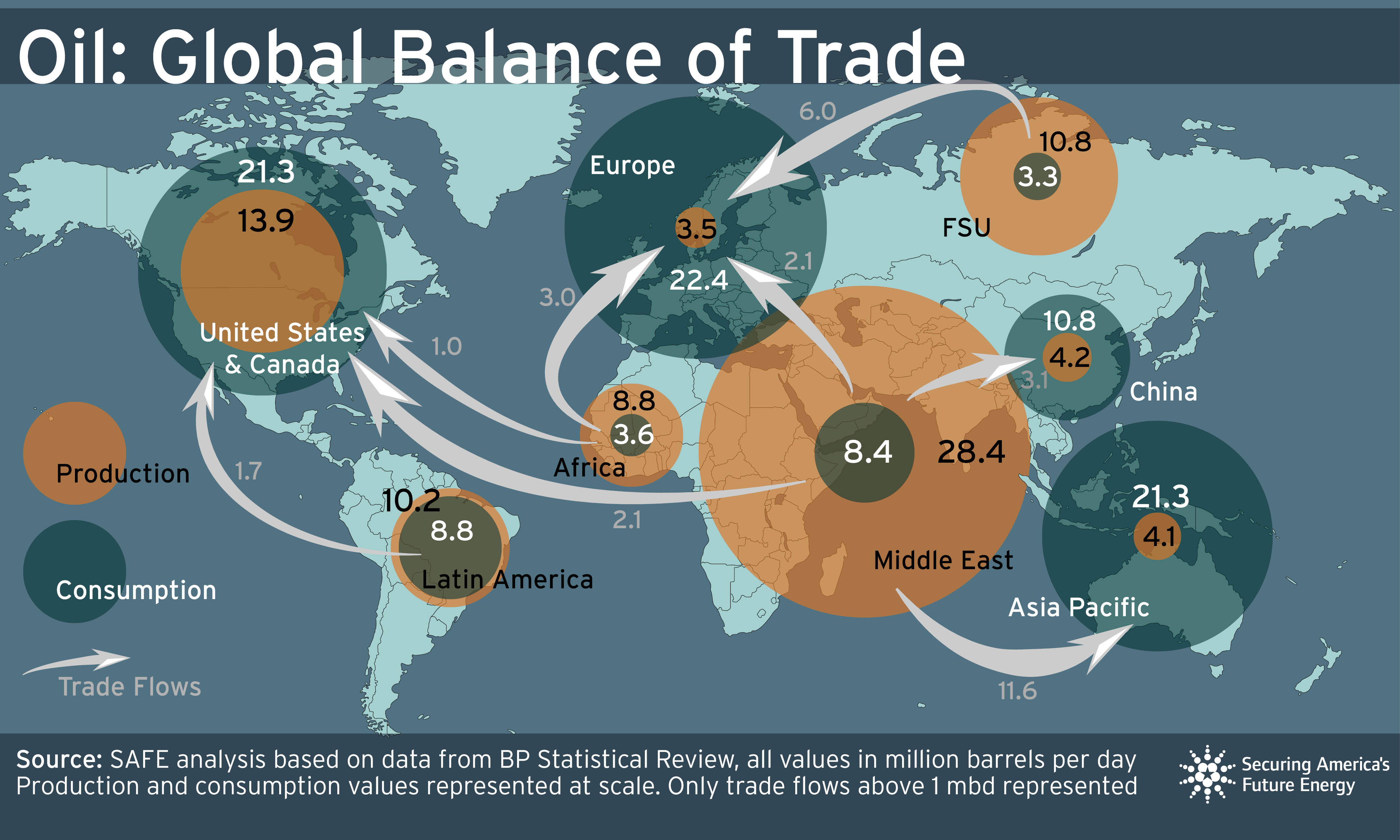
The global energy landscape is facing a period of significant volatility as the Organization of the Petroleum Exporting Countries (OPEC) navigates a historic shift in its membership and leadership dynamics. Following the sudden departure of the United Arab Emirates, the alliance is now leaning heavily on Saudi Arabia to maintain market equilibrium and prevent a price collapse.
The United Arab Emirates officially left OPEC on May 1, 2026, a move that stripped the cartel of its third-largest producer according to reports from AP News. The exit, which follows years of friction over production quotas, has forced remaining members to urgently reaffirm their commitment to the group’s collective goals to avoid destabilizing global crude prices.
In the wake of this disruption, Algeria has emerged as a key diplomatic supporter of the Saudi-led effort to keep the alliance intact. The Algerian government has explicitly reaffirmed its engagement within OPEC and the wider OPEC+ group, stating that such commitment is necessary in support of the sustainable stability of the global oil market
, according to a statement from the Algerian Energy Ministry cited by Zawya.
Saudi Arabia: The Essential Pillar of OPEC Stability
With the UAE pursuing a new national strategy outside the cartel, Saudi Arabia’s role as the de facto leader of the oil market has intensified. The Kingdom’s ability to modulate its own production—acting as the world’s primary “swing producer”—is now the single most critical factor in the alliance’s survival. Market analysts suggest that without Saudi Arabia’s willingness to absorb the shock of the UAE’s exit, the cartel’s leverage over global supplies would be severely diminished.
This sentiment is echoed by other member states. Algeria has positioned Saudi Arabia as the fundamental pillar of the organization, viewing the Kingdom’s leadership as the only viable path toward maintaining a coordinated response to fluctuating demand. By aligning closely with Riyadh, Algeria and other smaller producers aim to ensure that the “OPEC+ mechanism” remains functional despite the loss of a major Gulf player.
The strategic importance of this alignment is further highlighted by the recent coordination between Riyadh and Algiers. In early 2026, both nations worked within a group of eight OPEC+ countries to review global market conditions and implement voluntary production adjustments to support stability as detailed by OPEC.
The June Production Pivot: Navigating a New Reality
Despite the instability caused by the UAE’s exit, the remaining members of OPEC+ are attempting to signal confidence to the markets through calibrated production increases. On Saturday, May 2, 2026, reports emerged that seven members of OPEC+ have reached an agreement in principle to raise oil output targets by approximately 188,000 barrels per day in June according to Bloomberg.
This “symbolic” increase is intended to prevent a supply crunch while demonstrating that the alliance can still function without the UAE. This follows a similar move in May, where Algeria and seven other countries decided to voluntarily increase their combined production by 206,000 barrels per day as reported by Algerian Radio.
The decision to increase production slightly in June is seen as a delicate balancing act. If the alliance cuts too deeply, they risk losing further market share to non-OPEC producers; if they increase too rapidly, they risk a price drop that would hurt the national budgets of the remaining member states.
Key Takeaways: The New OPEC Dynamic
- UAE Exit: The United Arab Emirates officially left OPEC on May 1, 2026, to pursue a strategy focused on national interests.
- Saudi Leadership: Saudi Arabia remains the essential “pillar” for market stability, with other members like Algeria providing strong diplomatic backing.
- Production Trends: OPEC+ members agreed in principle on May 2, 2026, to a small output hike of roughly 188,000 barrels per day for June.
- Market Signal: The alliance is attempting to prove it can manage global supply and pricing without the UAE’s participation.
Geopolitical Pressures and the ‘National Interest’ Shift
The UAE’s departure is not merely a technical disagreement over quotas; it reflects a broader shift in how Gulf states view their energy sovereignty. By exiting the cartel, the UAE is now free to maximize its own production capacity without the constraints of OPEC’s collective agreements. This “go-it-alone” strategy allows Abu Dhabi to capitalize on higher prices or increase volume based purely on its own economic projections.
Though, this move creates a precarious situation for the remaining members. The loss of the third-largest producer weakens the cartel’s overall leverage, making it harder to enforce production cuts among the remaining members who may be tempted to cheat on their quotas to make up for the UAE’s absence.
Algeria’s decision to double down on its commitment to OPEC is a strategic hedge. For a gas-rich nation like Algeria, the stability of the global oil market is inextricably linked to its own economic health. By supporting Saudi Arabia, Algiers is betting that a coordinated cartel is more beneficial than a fragmented market where each nation competes for the same buyers.
Impact on Global Energy Markets
| Metric | Pre-Exit Status | Post-Exit Status (May 2026) |
|---|---|---|
| Market Leverage | High (Coordinated Gulf Bloc) | Reduced (Fragmented Gulf Bloc) |
| Production Control | Strict Quota Adherence | Reliance on Saudi “Swing” Capacity |
| Member Cohesion | High Stability | Fragile / Dependency on Saudi Leadership |
What Happens Next?
The immediate focus for the energy world is the formal implementation of the June production targets. While an “agreement in principle” has been reached, the actual execution will depend on whether the seven participating nations can adhere to the new targets without internal disputes.

The global market will be watching for any signs of further fragmentation. If other mid-sized producers begin to follow the UAE’s lead, the very foundation of OPEC could be at risk. For now, the alliance is banking on the authority of Saudi Arabia and the loyalty of members like Algeria to weather the storm.
The next critical checkpoint will be the official OPEC+ ministerial meeting to finalize the June production quotas and review the impact of the UAE’s departure on global pricing trends. We will continue to monitor these developments as the alliance attempts to redefine its role in a post-UAE era.
Do you believe the OPEC+ alliance can survive the loss of its third-largest producer, or is this the beginning of a larger trend toward energy independence? Share your thoughts in the comments below.
Keep reading