
Consumer behavior in the Nordic market is currently witnessing a series of fragmented but intense “sales explosions,” where specific product categories are seeing growth rates that defy traditional seasonal trends. From home renovations to high-tech kitchen appliances and emergency preparedness gear, Norwegian consumers are shifting their spending patterns in response to a mix of economic recovery, viral social media trends and geopolitical anxiety.
The most prominent of these surges is appearing in the home improvement sector. According to reports from electronics and furniture retailers, there has been a significant spike in the sale of kitchens, specifically the Epoq brand sold through Elkjøp. This trend is being interpreted by industry leaders not just as a consumer preference for new interiors, but as a leading indicator of returning confidence in the private economy and a renewed sense of optimism regarding the future.
This volatility in spending is not limited to big-ticket home items. The market is seeing a “viral effect” where social media platforms, particularly TikTok, are driving massive demand for niche electronics. Simultaneously, a cautious undercurrent remains, as evidenced by a surge in the purchase of emergency supplies, suggesting that while consumers are spending, they are doing so with an eye toward both immediate luxury and long-term security.
The Return of the Home Renovation Boom
After a period of economic uncertainty and high interest rates that dampened the appetite for large-scale home projects, the Norwegian market is seeing a reversal. Electronics giant Elkjøp has reported a substantial growth in the sale of Epoq kitchens, noting that the trend has “exploded” during the autumn period.
Industry analysts suggest that this surge is a signal that the period of maximum financial strain for many households may be peaking or receding. When consumers move from purchasing small electronics to investing in full kitchen remodels, it typically indicates a higher level of framtidstro
—or faith in the future—and a willingness to take on larger expenditures.
The growth is observed across various price points, though the ability of retailers to offer both budget-friendly and premium options has allowed them to capture a wider demographic of the recovering market. This shift suggests a transition from “survival spending” back to “lifestyle investing.”
Viral Demand: The ‘Ninja’ Effect and Social Commerce
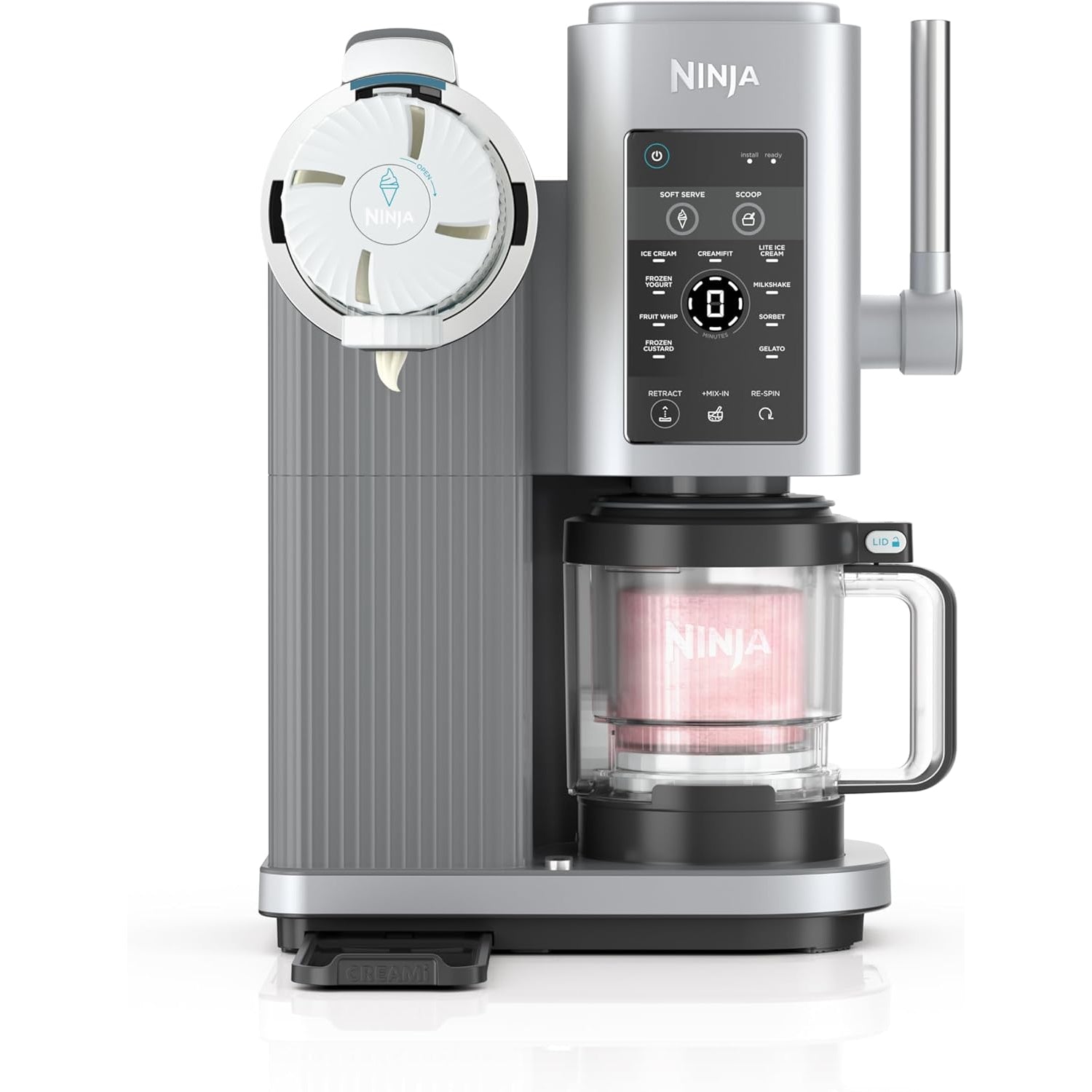
While kitchens represent a slow-burn economic recovery, the consumer electronics sector is experiencing a more erratic, high-velocity growth driven by digital trends. The sale of ice and slush machines has reportedly quintupled since last year, with a growth rate of several hundred percent.
The primary driver of this phenomenon is the brand Ninja, whose products have gone viral on TikTok. The demand is so intense that new models, such as the Ninja Swirl, are reportedly being torn off the shelves
even before they officially hit the stores. This highlights a critical shift in retail: the “TikTok-to-Cart” pipeline, where a short-form video can create an immediate, nationwide supply chain strain for a specific gadget.
This trend is further amplified by the launch of new products like Sabor Icecraft, showing that once a category (like home-made frozen treats) is validated by social media, competing brands quickly move in to capture the overflow of demand.
The ‘Prepper’ Pivot: Emergency Preparedness Growth
Contrasting with the luxury of ice cream machines is a more somber trend: the massive increase in the sale of emergency preparedness equipment. Retailers such as Clas Ohlson have reported that sales of readiness products have tripled across most categories, with some specific items seeing an increase of 400 percent.
This surge in “prepping” behavior reflects a broader European trend where geopolitical instability and climate-related concerns are prompting citizens to build home reserves of food, water filtration, and power backups. Unlike the viral trend of the Ninja Swirl, this growth is driven by a perceived need for security rather than a desire for novelty.
The scale of this increase suggests that emergency preparedness has moved from a niche hobby for “doomsday preppers” into a mainstream consumer habit for the average household, effectively becoming a new category of essential home maintenance.
Tax Incentives and the EV Market Surge
The automotive sector provided the most dramatic example of a “timed explosion” in sales. In December 2025, the Norwegian car market saw a massive spike in registrations as consumers rushed to purchase electric vehicles (EVs) before the introduction of new value-added tax (VAT) rules.

Starting in January 2026, VAT was introduced on all electric vehicles priced above 300,000 NOK. This created a powerful incentive for buyers to finalize their purchases before the end of the year. In certain regions, such as Sarpsborg, the number of new passenger car registrations in December 2025 was more than double that of the previous year.
This “pull-forward” effect is a classic example of how regulatory changes can create artificial demand spikes, temporarily inflating sales figures while potentially cannibalizing sales for the following quarter.
Comparative Growth Trends in the Norwegian Market
| Category | Growth Driver | Trend Type | Impact Level |
|---|---|---|---|
| Kitchens (Epoq) | Economic Confidence | Steady Recovery | High (Huge Ticket) |
| Ice/Slush Machines | TikTok Virality | Flash Trend | Extreme (Volume) |
| Emergency Gear | Geopolitical Anxiety | Structural Shift | High (Consistent) |
| Electric Vehicles | VAT Deadline | Regulatory Rush | Extreme (Short-term) |
What This Means for the Global Consumer
The convergence of these trends—recovery-driven home spending, viral-driven gadgetry, and fear-driven preparedness—paints a complex picture of the modern consumer. We are seeing a “bipolar” spending habit where the same household might invest in a high-end kitchen remodel and a viral ice cream maker, while simultaneously stockpiling emergency rations.
For technology and retail editors, this underscores the importance of monitoring non-traditional signals. Traditional economic indicators (like GDP or unemployment rates) may not fully capture the “TikTok effect” or the psychological shift toward preparedness. The ability of a brand to move from a screen to a physical store in a matter of hours is now a primary driver of retail volatility.
the EV market’s reaction to the 300,000 NOK VAT threshold serves as a case study for other nations considering similar tax shifts. It demonstrates that consumers will aggressively accelerate purchases to avoid even modest tax increases, creating a massive, albeit temporary, bubble in registration data.
As we move further into 2026, the key will be determining which of these explosions are sustainable. The “Ninja” trend may fade as the novelty wears off, but the shift toward home preparedness and the recovery of the home improvement sector suggest deeper, more permanent changes in how people view their living spaces and their security.
The next major checkpoint for the retail sector will be the second-quarter financial reports of major Nordic electronics chains, which will reveal if the “kitchen explosion” has sustained its momentum or if it was a momentary burst of confidence.
Do you think the rise in “prepper” gear is a temporary reaction or a permanent lifestyle change? Share your thoughts in the comments below.