
Expectations for the iPhone 17 series continue to mount as industry analysts and mobile photography enthusiasts monitor early reports regarding potential camera hardware upgrades. While official technical specifications remain unconfirmed by Apple, recent public discourse has centered on the pursuit of “natural” image processing, with users increasingly evaluating how future devices might minimize aggressive computational post-processing in favor of more organic, true-to-life color reproduction.
As of early 2025, Apple has not issued formal details concerning the camera sensor arrays or image signal processing (ISP) pipelines for the upcoming iPhone 17 lineup. According to official Apple press releases, the company typically reserves technical hardware announcements for its annual September product events. The current conversation surrounding “natural” photography reflects a broader industry trend where users are moving away from heavily saturated, HDR-processed images toward aesthetics that mimic traditional film or unedited digital photography.
The Evolution of Computational Photography
Modern smartphone photography relies heavily on computational photography, a process where software algorithms—rather than just the physical sensor—determine the final look of a photo. According to industry reporting from Reuters, this technology has been essential for enabling features like Night Mode, Deep Fusion, and Smart HDR. These systems analyze multiple frames to balance exposure, shadows, and highlights in real-time.
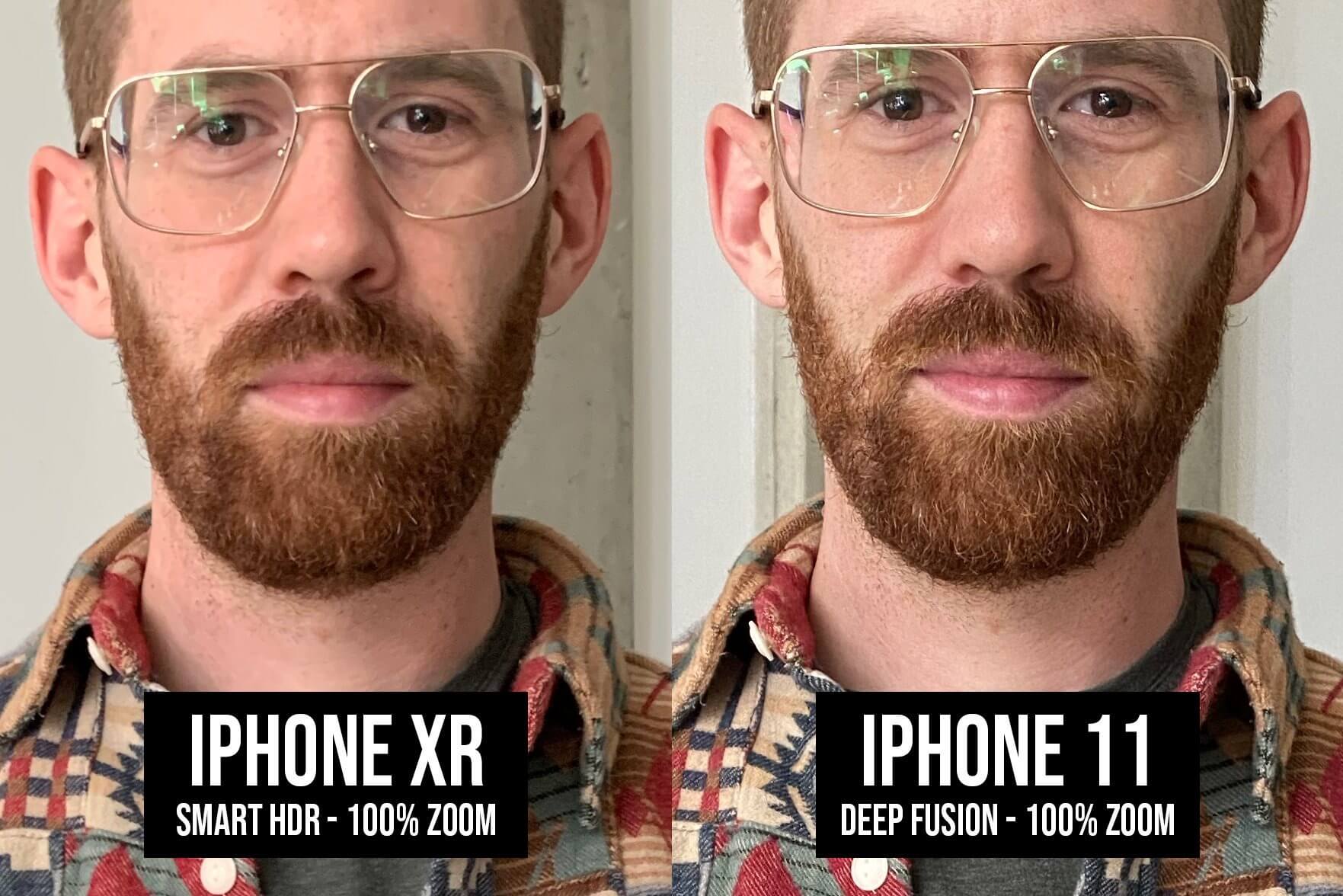
However, the trend toward “natural” looking photos highlights a potential friction point between automated software optimization and user preference. Critics of current smartphone imaging often point to “over-sharpening” or “halo effects” around high-contrast edges as evidence that software intervention has become too aggressive. For the iPhone 17, observers suggest that Apple might introduce more granular manual controls or “styles” that allow users to dial back the intensity of the ISP, effectively allowing for a more clinical, natural representation of subjects like flowers or outdoor landscapes.
What Defines a Natural Image?
In the context of mobile photography, a “natural” image is generally defined by accurate color science and controlled dynamic range. When a camera captures a scene—such as the intricate petals of an African daisy—the goal is to maintain the texture and depth without the flattening effect that often occurs with excessive digital processing. According to testing methodology documentation from DXOMARK, high-end sensors are judged on their ability to render skin tones, white balance, and noise reduction in a way that feels authentic to the human eye.

If the iPhone 17 focuses on a more natural aesthetic, it would likely involve updates to the Photonic Engine. This system, which Apple introduced in previous generations to improve mid-to-low-light performance, could theoretically be tuned to prioritize texture retention over noise suppression. This would be a significant shift, as the prevailing trend in smartphone development over the last five years has been the pursuit of “perfect” exposure in all lighting conditions, often at the expense of natural depth.
Industry Trends and Future Hardware Expectations
While rumors regarding specific iPhone 17 camera modules are speculative, the industry is closely watching how Apple balances hardware constraints with software ambition. According to reporting from Bloomberg on Apple’s supply chain, the company continues to invest heavily in custom silicon for its image processors. These chips are designed to handle the massive data throughput required for 48-megapixel (or higher) captures, which are the backbone of modern iPhone photography.
For the average consumer, the desire for “natural” images may influence how they use existing features. Many users have already begun utilizing “Photographic Styles,” a feature introduced in iOS 15 that allows for permanent, custom adjustments to color and tone. Future iterations of this system could theoretically offer even deeper integration, allowing users to bypass standard post-processing entirely for specific shooting scenarios.
Looking Ahead: The September Cycle
The definitive features of the iPhone 17 will not be confirmed until Apple’s next major hardware event, which is historically scheduled for September. Until that time, industry analysts and developers will continue to monitor patent filings and supply chain logistics for clues regarding the next generation of Apple’s optics and image processing algorithms. Consumers looking for official updates should monitor the Apple Newsroom for the most accurate information regarding product releases and technical specifications.

Are you looking for more natural results from your current mobile camera? Share your thoughts on whether you prefer computational “perfection” or a more authentic, unedited look in the comments below.
Keep reading