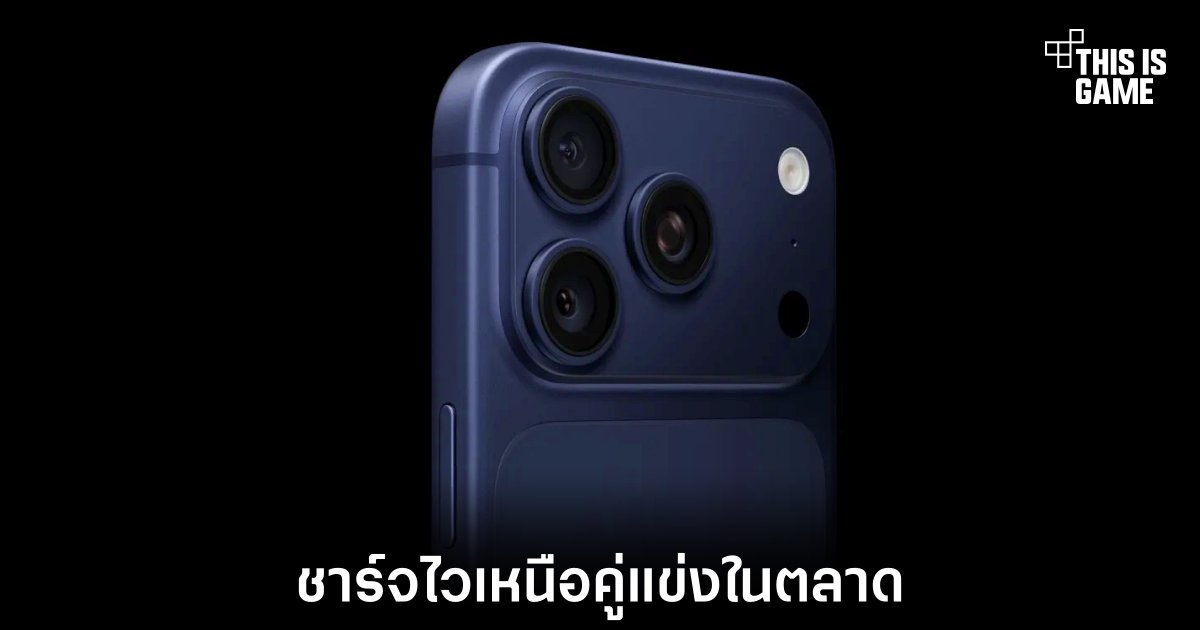
For years, Apple has maintained a conservative approach to charging speeds, prioritizing battery longevity and thermal management over the raw wattage seen in competing flagship devices. However, the latest data surrounding the new hardware indicates a significant shift in strategy. The iPhone 17 Pro charging speed is now pushing boundaries that were previously reserved for the most aggressive fast-charging standards in the industry.
As the tech landscape pivots toward more demanding AI-driven workloads—specifically with the integration of Apple Intelligence—the need for faster power replenishment has become a critical user requirement. The transition to a more robust power delivery system is not just a luxury; it is a necessity for devices running complex on-device models that can drain battery reserves more quickly than traditional applications.
Recent benchmarks and official specifications reveal that the iPhone 17 Pro is designed to significantly reduce downtime. By optimizing the handshake between the device and the power brick, Apple has managed to shave critical minutes off the charging curve, moving the needle from the 30-minute benchmark of the previous generation to a more competitive 20-minute window for a partial charge.
This evolution is underpinned by a new ecosystem of accessories, including a redesigned power adapter and a more flexible power intake system that allows the iPhone 17 Pro to handle higher bursts of energy without compromising the chemical health of the battery cell.
The 20-Minute Milestone: A New Charging Standard
The most striking development in the current lineup is the ability of the iPhone 17 and iPhone 17 Pro models to reach a 50% charge in just 20 minutes. This represents a meaningful leap in efficiency when compared to the iPhone 16 series, which required 30 minutes to reach the same 50% threshold using compatible chargers. This 33% reduction in time for a half-charge suggests a fundamental change in how Apple manages power intake.

To achieve these speeds, Apple has introduced a new 40W dynamic power adapter, which is capable of reaching a 60W maximum output. This “dynamic” nature allows the charger to communicate more precisely with the iPhone’s power management integrated circuit (PMIC), delivering the maximum safe wattage during the initial “bulk” phase of charging and tapering off as the battery reaches higher percentages to prevent overheating.
According to technical testing conducted by Apple, the compatibility of the charger is key. While the devices can work with various USB-C power delivery (PD) bricks, the 40W dynamic adapter is specifically optimized to maintain the 20-minute 50% charge rate across the iPhone 17 and iPhone 17 Pro lineups.
Analyzing the Peak Wattage: ChargerLAB Benchmarks
While official marketing focuses on the 50% milestone, independent laboratory testing provides a deeper look at the actual wattage being pulled by the hardware. Testing from ChargerLAB indicates that the iPhone 17 Pro models can reach a short-term peak USB-C charging speed of 36W. This is a notable increase over the standard iPhone 16, which typically peaked at approximately 23W.
This peak wattage is primarily observed during the first few minutes of the charging cycle, when the battery is at its lowest state of charge. By allowing the device to pull 36W, Apple is effectively utilizing a wider “pipe” for energy, which facilitates the rapid climb to the 50% mark. However, this 36W peak is transient; as the battery fills, the wattage drops to protect the lithium-ion cells from degradation caused by excessive heat.
The testing also highlighted a broad range of compatibility, with tests conducted using chargers ranging from 18W up to 141W. While higher-wattage chargers (such as MacBook bricks) are compatible, the iPhone 17 Pro is capped by its internal controller, meaning a 141W charger will not charge the phone faster than the 40W dynamic adapter’s optimized curve.
iPhone 17 Lineup: Diversifying the Power Experience
The introduction of the iPhone 17 series brings a more diverse array of models, each positioned differently in terms of performance, and power. Alongside the flagship Pro models, Apple has introduced the iPhone 17, the iPhone 17e, and a new, slender iteration known as the iPhone Air. This diversification suggests that charging speeds may vary across the lineup based on battery capacity and chassis size.
The iPhone 17 Pro and Pro Max remain the gold standard for speed, benefiting from the most advanced thermal dissipation systems, which allow them to sustain higher wattages for longer periods. In contrast, the iPhone Air—designed for a thinner profile—faces tighter constraints regarding heat dissipation, which may influence its peak charging speeds compared to the Pro series.
Regardless of the model, the move to a universal USB-C standard across the entire range ensures that users can share chargers across their ecosystem. The transition from the iPhone 16’s 30-minute charging window to the iPhone 17’s 20-minute window establishes a new baseline for the entire product family, ensuring that even the entry-level models feel significantly more responsive to speedy charging.
Why Dynamic Power Matters for the Modern User
For the average consumer, the difference between 30 and 20 minutes may seem incremental, but in the context of “top-up” charging, it is transformative. The ability to gain 50% battery life in the time it takes to have a quick coffee or a brief break significantly alters user behavior, reducing the anxiety associated with low-battery warnings during a busy workday.
From a technical perspective, the “dynamic” aspect of the new 40W adapter is the real innovation. Traditional fast chargers often push a static high wattage until a certain threshold is hit, which can lead to “heat soak”—a condition where the battery becomes too hot, forcing the phone to throttle the charging speed drastically to avoid damage. A dynamic adapter adjusts the voltage and current in real-time based on the phone’s internal temperature and battery percentage, maintaining a higher average speed for a longer duration of the cycle.
This is particularly vital for users leveraging Apple Intelligence. AI tasks, such as generative image creation or complex language processing, are computationally expensive and generate significant internal heat. If a user is charging their device while using these features, the dynamic power system can modulate the intake to ensure the device remains cool while still providing a steady charge.
Comparing the Generations: iPhone 16 vs. IPhone 17 Pro
To understand the scale of this improvement, it is helpful to look at the progression of charging capabilities over the last two generations. The iPhone 16 series established a reliable, if conservative, fast-charging baseline. While it was a capable device, the 30-minute window to reach 50% was often criticized when compared to competitors who were offering 0-100% charges in under an hour.
The iPhone 17 Pro effectively closes this gap. By increasing the peak intake to 36W and optimizing the charging curve via the 40W dynamic adapter, Apple has moved closer to the industry standard of “ultra-fast” charging without abandoning its commitment to battery health. By avoiding the 65W or 100W peaks seen in some Android flagships, Apple mitigates the risk of rapid battery capacity loss over two to three years of ownership.
This strategic middle ground—faster than the 16, but safer than the most aggressive competitors—positions the iPhone 17 Pro as a tool for the power user who values both speed and long-term hardware reliability.
Practical Tips for Maximizing Charging Efficiency
To ensure you are getting the most out of the iPhone 17 Pro’s charging capabilities, users should be mindful of the hardware they use. While any USB-C cable will work, using a high-quality, certified cable capable of handling higher current is essential to prevent bottlenecks.
- Use the Optimized Adapter: To hit the 20-minute 50% mark, the 40W dynamic power adapter is the recommended choice.
- Manage Ambient Temperature: Fast charging generates heat. Charging in a cool environment or removing a thick case during a rapid top-up can prevent the system from throttling the wattage.
- Enable Optimized Battery Charging: Found in the settings, this feature learns your daily charging routine and waits to finish charging past 80% until you need it, preserving the lifespan of the battery cells.
- Avoid Heavy Loads During Fast Charge: While the dynamic system manages heat, running high-intensity AI apps while fast-charging will naturally slow down the charging speed as the device prioritizes cooling.
As Apple continues to integrate more sophisticated AI into the iPhone ecosystem, the synergy between software efficiency and hardware power delivery will only become more important. The iPhone 17 Pro’s charging leap is a clear signal that Apple is listening to the demands of a more mobile, power-hungry user base.
For the latest updates on hardware specifications and accessory compatibility, users can visit the official Apple iPhone page.
The next major checkpoint for the iPhone 17 series will be the rollout of further Apple Intelligence software updates, which may include new power-saving modes and refined battery management algorithms to further optimize these charging speeds.
Do you think 20 minutes for a 50% charge is enough, or should Apple push for even faster speeds? Share your thoughts in the comments below.
Keep reading