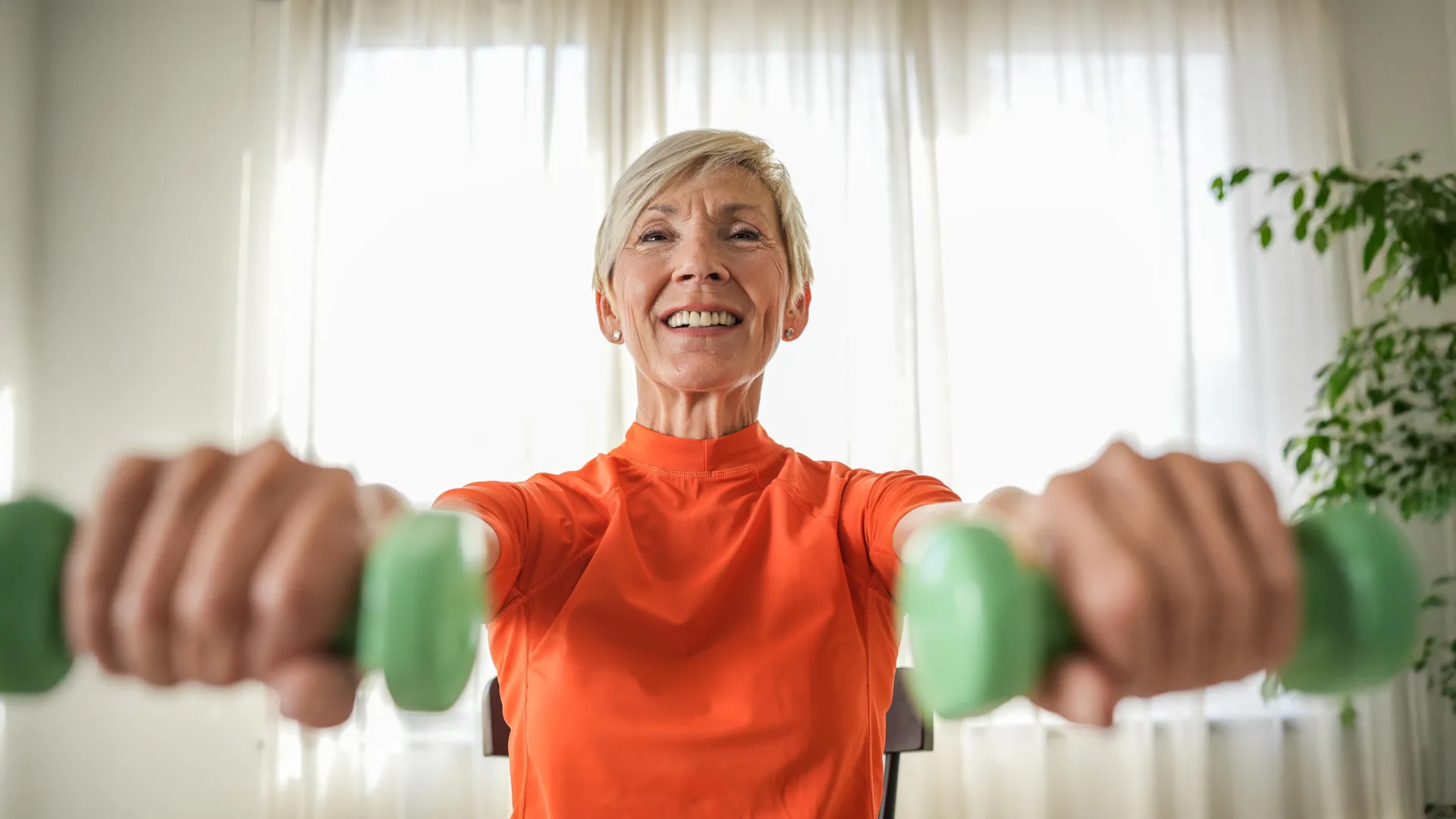
For decades, the gold standard for predicting a long, healthy life centered largely on cardiovascular health. We were told to count our steps, monitor our heart rate, and prioritize aerobic endurance. However, emerging medical evidence suggests that the secret to longevity may lie not in how far we can walk, but in how much force we can exert. Recent research indicates that a simple strength test predict longevity, specifically for women entering their senior years.
As a physician and health journalist, I have long observed the gradual decline of muscle mass—a process known as sarcopenia—and its profound impact on independence. While aerobic exercise is vital, the ability to maintain muscular power appears to be an independent marker of survival. For women over 60, the capacity to perform basic physical tasks may offer a more accurate glimpse into their future health than a treadmill test ever could.
A significant study led by researchers at the University at Buffalo has brought this to the forefront. By tracking thousands of older women over nearly a decade, the team identified two straightforward clinical measures of strength that strongly correlate with a reduced risk of death. These findings suggest that muscle strength is not just a byproduct of a healthy lifestyle, but a critical determinant of life expectancy in its own right.
The Two Benchmarks of Vitality
The research, published in JAMA Network Open, focused on more than 5,000 women between the ages of 63 and 99. Rather than employing complex imaging or invasive biopsies, the investigators used two rapid, non-invasive tests to assess muscular function: handgrip strength and the “sit-to-stand” chair rise.
Handgrip strength is a common clinical proxy for overall muscle mass and systemic health. By measuring the maximum force a participant can exert when squeezing a dynamometer, clinicians can gauge upper-body strength and general frailty. The second test, the chair-stand, evaluates lower-body power. In this test, participants start seated in a standard chair with their arms crossed over their chest. They are asked to stand up fully without using their hands for support, sit back down, and repeat the movement five times as quickly as possible.
The results were striking. Women who demonstrated stronger grips and faster chair-rise times had a significantly lower risk of death during the eight-year follow-up period. These tests provide a snapshot of “functional fitness”—the ability of the body to handle the physical demands of daily life, from opening a jar to recovering from a fall.
Beyond the Treadmill: Why Strength Stands Alone
One of the most compelling aspects of this study is that the link between strength and longevity remained significant even after accounting for other major health variables. The researchers used accelerometer data to adjust for physical activity levels and the amount of time participants spent sitting. They also accounted for gait speed, a traditional indicator of cardiovascular fitness, and levels of C-reactive protein, a blood biomarker used to measure systemic inflammation.
Even when these factors were neutralized, muscle strength remained a potent predictor of survival. This suggests that while walking and swimming are beneficial, they do not replace the specific biological protections offered by muscle strength. This distinction is crucial for public health; it means that a person could be aerobically fit but still be at a higher risk of mortality if they lack sufficient muscular power.
From a medical perspective, this independence likely stems from the role of muscle as a metabolic organ. Muscle tissue helps regulate blood glucose, supports bone density, and provides the physical resilience necessary to survive acute illnesses or injuries. When muscle mass declines, the body’s “physiological reserve” shrinks, making it harder to recover from a hospital stay or a severe infection.
The Implications for Healthy Aging
The identification of these strength markers shifts the conversation around geriatric care. For too long, the focus for older adults has been on “maintenance” and the avoidance of injury, often leading to a sedentary lifestyle that inadvertently accelerates muscle loss. This research underscores the necessity of resistance training and strength-based interventions for women over 60.
Maintaining muscle strength does not necessarily require heavy weightlifting in a gym. Functional strength can be built through:
- Resistance Band Training: Providing a safe way to build tension and strength in the upper and lower body.
- Bodyweight Exercises: Squats, modified push-ups, and the very chair-stands used in the study.
- Protein Optimization: Ensuring adequate protein intake to support muscle protein synthesis, which becomes less efficient with age.
- Balance and Stability Work: Combining strength with balance to prevent the falls that often lead to a rapid decline in muscle function.
For healthcare providers, these findings suggest that integrating a grip test and a timed chair-stand into routine annual exams could provide a vital early warning system. Identifying a decline in strength early allows for targeted interventions—such as physical therapy or nutritional support—before frailty becomes irreversible.
Key Takeaways for Longevity
- Strength is Independent: Muscle strength predicts longevity regardless of how much aerobic exercise a person performs.
- Simple Metrics Matter: Handgrip strength and the ability to quickly rise from a chair are powerful indicators of mortality risk in women over 60.
- Inflammation isn’t the Only Factor: The benefit of strength persists even when accounting for biomarkers of inflammation like C-reactive protein.
- Functional Power is Key: The ability to perform unassisted movements is a marker of biological resilience and systemic health.
What Happens Next?
While this study provides a clear link between strength and survival in older women, the medical community is now looking toward larger, more diverse cohorts to determine if these predictors hold the same weight across different ethnicities and for men in the same age bracket. Researchers are investigating the exact biological mechanisms—such as mitochondrial function and hormonal regulation—that make strong muscles a shield against premature death.
For those looking to assess their own functional strength, the best first step is a consultation with a primary care physician or a licensed physical therapist. They can provide a baseline measurement of your grip and lower-body power and help design a safe, progressive strength program tailored to your current health status.
The next major milestone in this area of research will be the release of updated clinical guidelines for geriatric wellness, which are expected to place a heavier emphasis on resistance training as a primary preventative measure against frailty.
Do you incorporate strength training into your routine, or have you noticed a change in your functional strength as you’ve aged? Share your experiences in the comments below or share this article with a loved one to start a conversation about healthy aging.
Keep reading