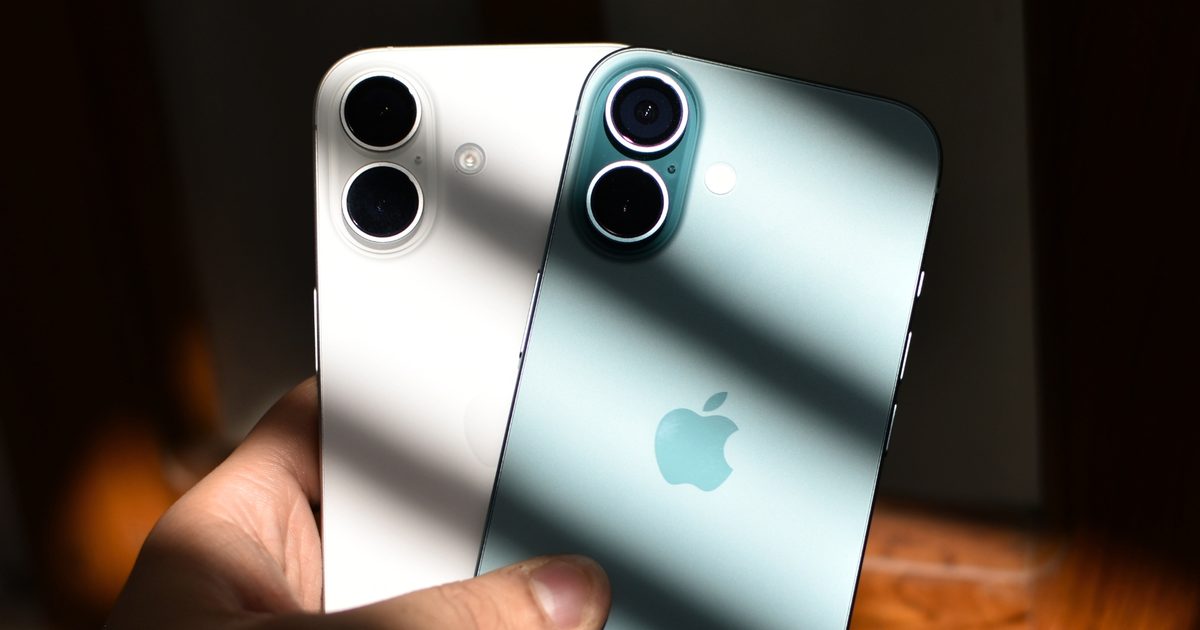
The standard iPhone 18 and a rumored iPhone 18e may lack two major Siri AI features due to a failure to meet “AFM Core Advanced” hardware requirements, according to recent industry reports. This hardware gap suggests Apple may implement a tiered system for Apple Intelligence, limiting the most advanced on-device generative AI capabilities to the Pro series of the 2026 lineup.
The reports indicate that while the base models will support the foundational elements of Apple Intelligence, they will lack the specific processing architecture necessary for the most resource-intensive Siri enhancements. This division centers on the “AFM Core Advanced” specification, a hardware benchmark reportedly required to run complex, multimodal AI tasks locally on the device without relying on cloud-based Private Cloud Compute.
This development follows a trend in the smartphone industry where manufacturers limit high-end artificial intelligence features to premium models to drive upgrades. For Apple, this strategy aligns with the increasing memory and neural processing demands of large language models (LLMs) and the transition toward more autonomous, on-device AI agents.
Why the iPhone 18 may lack specific Siri AI capabilities
The reported absence of two major Siri features on the standard iPhone 18 stems from the hardware’s inability to handle high-parameter AI models. According to industry leaks, these missing features likely involve real-time, multimodal interaction—where Siri can see and understand the screen in high detail—and advanced on-device reasoning that allows the assistant to execute complex, multi-step tasks across different applications.
To perform these tasks, the device requires a specific threshold of Neural Engine performance and unified memory bandwidth. Reports suggest that the “AFM Core Advanced” requirement is the dividing line. Devices that do not meet this spec must offload these tasks to Apple’s servers, which introduces latency and privacy considerations that Apple has sought to minimize by prioritizing on-device processing.
This hardware-based restriction mirrors the current state of Apple Intelligence, which is limited to the iPhone 15 Pro and subsequent models. By maintaining a hardware barrier for the iPhone 18, Apple can differentiate its “Pro” and “Ultra” tiers, ensuring that the most sophisticated AI experiences remain exclusive to its highest-margin devices.
What is AFM Core Advanced hardware?
While Apple has not officially defined “AFM Core Advanced” in public documentation, leaked specifications describe it as a specific configuration of the A-series chip’s Neural Engine and memory controller. The “AFM” likely refers to the Advanced Feature Module or a similar internal architectural designation used to categorize the AI processing power of the silicon.
The “Advanced” designation implies a higher count of neural cores or a more efficient way of accessing the system’s RAM. Generative AI requires massive amounts of data to be moved quickly between the processor and memory. If the base iPhone 18 uses a chip with a lower memory bandwidth or fewer neural cores than the Pro models, it cannot sustain the “Advanced” AI workloads without overheating or draining the battery excessively.
Industry analysts note that as LLMs grow in complexity, the minimum hardware requirements for “on-device” AI continue to rise. This creates a cycle where older or cheaper hardware becomes obsolete for new AI features, even if the software is theoretically compatible.
How this affects the iPhone 18e and base models
The rumored iPhone 18e, positioned as a more affordable entry point into the ecosystem, is expected to be the most limited in terms of AI functionality. Reports suggest the 18e will utilize an older or scaled-down version of the A-series chip, making it unlikely to meet the AFM Core Advanced threshold.

For users of the base iPhone 18 and iPhone 18e, the experience of Siri will likely remain “standard.” This means they will still have access to:
- Basic generative text tools for writing and proofreading.
- Improved Siri voice naturalness.
- Integration with basic system apps for scheduling and reminders.
However, they may be blocked from the “Advanced” features that allow Siri to act as a fully autonomous agent capable of manipulating the UI of third-party apps in real-time.
This creates a significant value gap. If the core selling point of the iPhone 18 series is “Intelligence,” the omission of the most advanced features from the base models may push consumers toward the more expensive Pro versions.
The broader strategy of Apple Intelligence tiering
Apple’s approach to AI deployment is characterized by a balance between privacy and performance. By utilizing a hybrid model—where some tasks happen on-device and others in the Apple Intelligence Private Cloud Compute—Apple attempts to offer a seamless experience. However, the “on-device” portion is the gold standard for speed and security.

By tying the most advanced Siri features to the AFM Core Advanced hardware, Apple is effectively creating an “AI Class” system. This is not unique to Apple; competitors like Samsung have similarly tiered their Galaxy AI features across different hardware generations and models.
The impact of this strategy extends beyond the 2026 release. It establishes a precedent where the hardware’s “Neural” capability is as important as the CPU clock speed or camera resolution. For the global consumer, this means the “budget” iPhone is no longer just a slower version of the Pro, but a functionally different device in terms of what the software can actually do.
The next confirmed checkpoint for Apple’s hardware roadmap will be the announcement of the iPhone 17 series in September 2025. Those specifications will provide the first concrete evidence of whether Apple is preparing a hardware divide for the subsequent iPhone 18 generation.
Do you think AI features should be available on all models, or is hardware tiering a fair way to price smartphones? Share your thoughts in the comments below.