
As we approach the latter half of 2026, the technology sector is bracing for one of Apple’s most ambitious product cycles in recent memory. For consumers and industry analysts alike, the question of whether to invest in current hardware or wait for the upcoming iPhone 18 lineup has become a central point of discussion. With reports suggesting a complex, multi-stage release schedule, understanding the distinction between current offerings and the anticipated next-generation devices is essential for making an informed purchasing decision.
Apple continues to refine its ecosystem, emphasizing the integration of hardware and software, a strategy highlighted in the current iPhone lineup. As the company approaches the 20th anniversary of the original iPhone launch, the pressure to deliver significant innovation is mounting. The current market landscape remains competitive, with Apple maintaining a strong presence in the U.S. Market while balancing global sales dynamics against rivals like Samsung and various manufacturers based in China.
Understanding the Complex iPhone 18 Release Strategy
The upcoming iPhone 18 series is expected to diverge from the traditional “all-in-one” fall event model that Apple has followed for years. According to industry reports, the high-end Pro and Pro Max models, alongside a highly anticipated foldable device—sometimes referred to in industry circles as the iPhone Fold or iPhone Ultra—are slated for a September 2026 debut. This foldable device is widely expected to enter the market at a premium price point, with some projections placing it above $2,000.
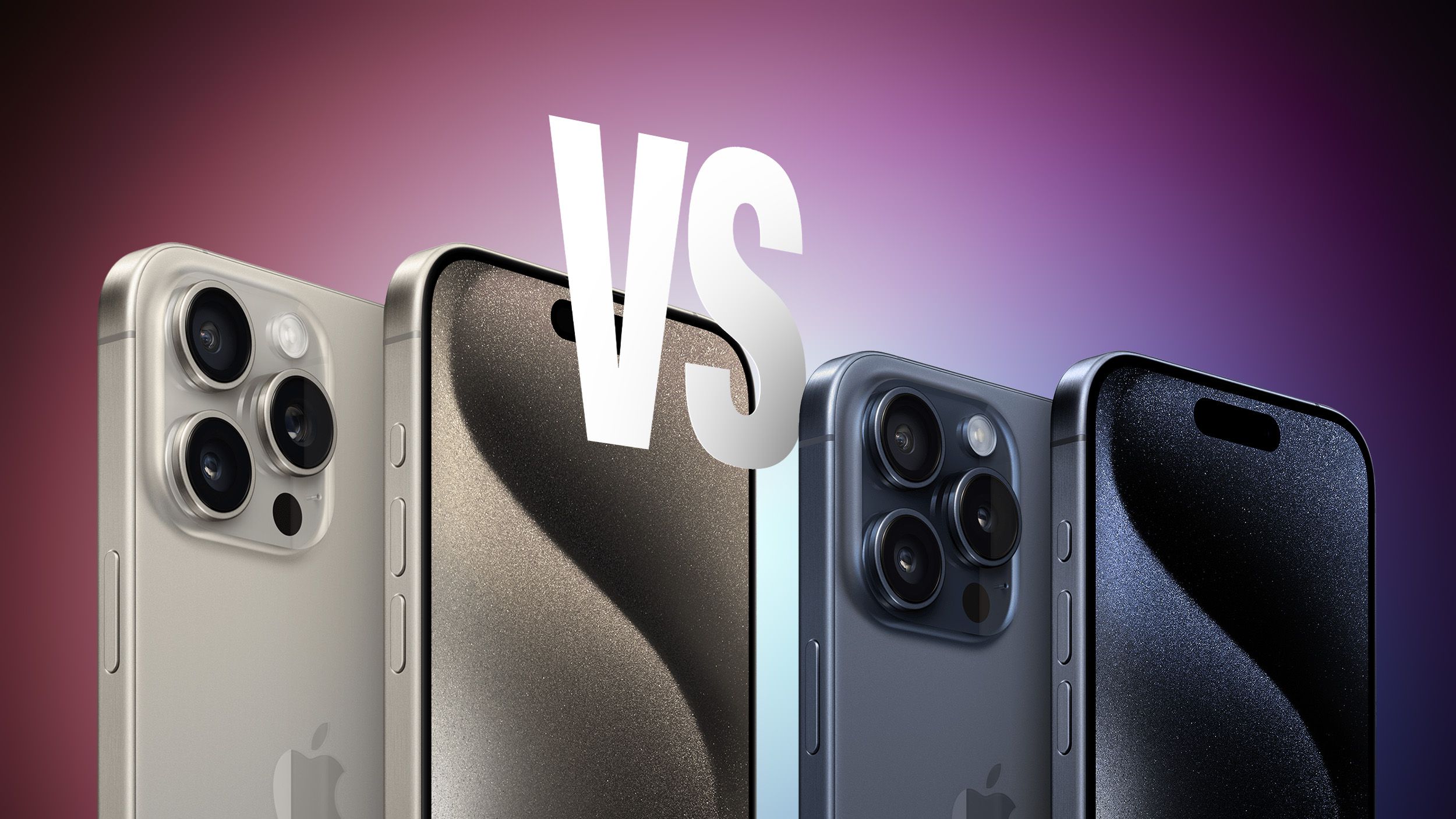
Conversely, the standard iPhone 18, the iPhone 18e, and the second-generation iPhone Air are reportedly being positioned for a spring 2027 release. This staggered approach represents a significant shift in Apple’s product lifecycle management. For consumers currently weighing their options, So that the standard models are likely several months away, while the premium Pro series remains the primary focus for the immediate fall window.
Key Features and Hardware Speculations
While official specifications remain under wraps, anticipation for the iPhone 18 Pro centers on potential advancements in core components. Reports have highlighted the possibility of a new 2nm A20 Pro chip, which would represent a significant leap in processing power and efficiency. There has been ongoing speculation regarding the camera system, with rumors suggesting the inclusion of a variable aperture lens that could offer users greater control over depth of field and low-light performance.

Other rumored features include a potential reduction in the size of the Dynamic Island and the inclusion of larger battery capacities. However, industry observers have cautioned that Apple may face supply chain constraints, particularly regarding memory components, which could lead to hardware downgrades or adjustments before the final units reach the assembly line. Discussions regarding the aesthetics of the device—including potential color variations such as red, burgundy, purple, and brown—continue to circulate among enthusiasts.
Navigating the Current Market: iPhone 17 vs. IPhone 18
For those currently considering an upgrade, the decision between the current iPhone 17 series and the upcoming iPhone 18 requires a careful assessment of needs. The iPhone 17 lineup currently includes the feature-packed base model, the ultra-thin iPhone Air, the redesigned iPhone 17 Pro and Pro Max, and the entry-level iPhone 17e. These devices are designed to work seamlessly within the Apple ecosystem, supporting features like the Move to iOS app for those transitioning from Android, and robust support for RCS messaging.

Apple’s trade-in programs remain a primary vehicle for managing the cost of these upgrades. By trading in an eligible smartphone, consumers can receive credit toward the purchase of current models. As of May 2026, the company continues to emphasize the value retention of its hardware, noting that iPhones generally hold their resale value longer than many competing smartphones. When determining whether to purchase now or wait, users should consider the following:
- Timeline: If you require a device before the end of 2026, the current Pro series offers the latest available technology.
- Budget: The rumored foldable device is expected to command a significant price premium, potentially exceeding $2,000.
- Feature Requirements: If the rumors regarding the 2nm A20 chip and variable aperture cameras prove accurate, power users may find the wait for the iPhone 18 Pro worthwhile.
Looking Ahead to the Fall Launch
As we monitor these developments, Apple’s strategy is aimed at both maintaining its dominance in the premium segment and diversifying its offerings to reach a broader audience through the spring launch cycle. The success of these devices will be critical as the company approaches its 20th-anniversary milestone.
The next major checkpoint for consumers and investors alike will be the official Apple event expected in September 2026, where the company is slated to unveil its latest Pro and foldable hardware. We will continue to track these developments as more information becomes available. In the meantime, we invite our readers to share their thoughts on the current iPhone lineup and whether they plan to wait for the next generation in the comments section below.
Keep reading