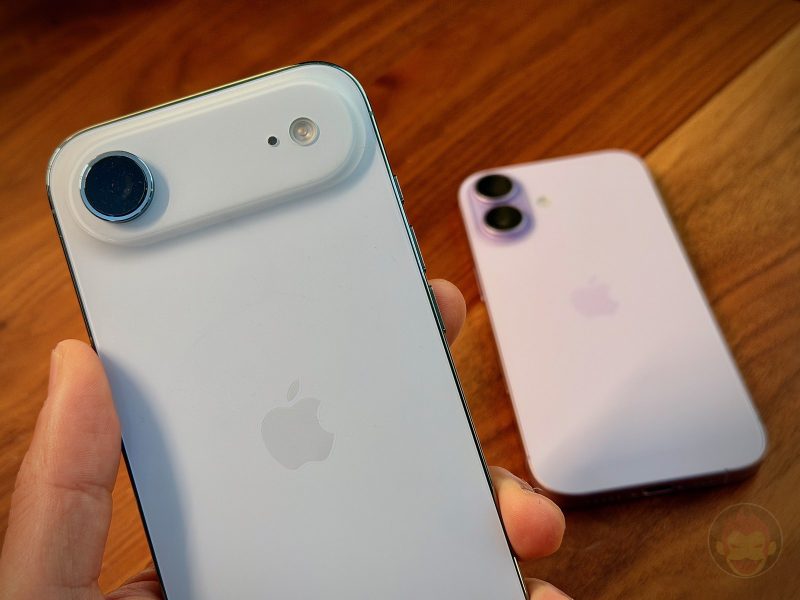
Apple is reportedly planning a significant departure from its traditional hardware release cycle, shifting toward a split launch strategy for the upcoming iPhone 18 lineup. Rather than the customary September unveiling of all models, the company may stagger the rollout of its next-generation handsets across late 2026 and early 2027.
According to recent reports, the high-end segment of the portfolio—including the iPhone 18 Pro, iPhone 18 Pro Max, and a highly anticipated first-generation foldable device—will lead the charge in September 2026. This strategy suggests a prioritized focus on the most expensive tiers of the lineup, leaving the standard and budget-friendly models for a subsequent release window.
The shift in timing means consumers looking for a standard upgrade may have to wait until spring 2027 to purchase the base iPhone 18, the iPhone 18e, or a potential second-generation iPhone Air. This phased approach allows Apple to maintain market momentum throughout the year although managing the production of complex new form factors, such as the foldable iPhone, which is rumored to carry a price tag upwards of $2,000 MacRumors.
The A20 Chip and Next-Gen Performance
Central to the iPhone 18 series is the expected transition to Apple’s next-generation 2-nanometer process. The iPhone 18, iPhone 18e, and the iPhone Fold are all expected to adopt the A20 chip MacRumors. The move to a 2nm architecture typically allows for higher transistor density, which can lead to improved energy efficiency and increased processing power compared to previous generations.
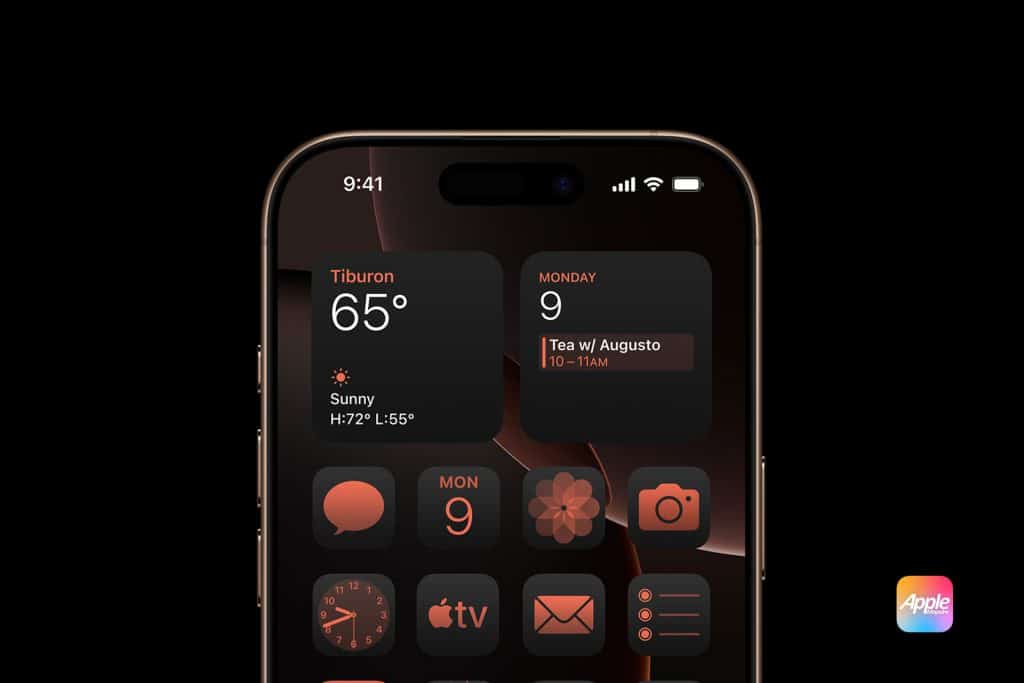
For the user, this hardware leap is likely intended to support more demanding on-device tasks, particularly as Apple continues to integrate “Apple Intelligence” deeper into its ecosystem. By utilizing a more efficient chip, Apple can balance the high power requirements of generative AI with the battery constraints of mobile devices.
Design Specifications: From Foldables to the iPhone Air
The most disruptive addition to the 2026-2027 cycle is the iPhone Fold. While Apple has traditionally avoided the foldable market, the introduction of this device in the fall of 2026 would mark a major pivot in the company’s industrial design philosophy. The device is expected to share the A20 silicon with the Pro models to ensure performance parity across the high-end tier.
Regarding the standard models, the iPhone 18 is not expected to undergo major design overhauls. Reports indicate that Apple will maintain the 6.3-inch display size for the standard iPhone 18 and a 6.1-inch display for the iPhone 18e MacRumors. These dimensions suggest a continuation of the current aesthetic for the entry-level tier, focusing instead on internal hardware upgrades.
The “Air” branding, which appeared in the iPhone 17 lineup as a slimmed-down alternative, is expected to return with a second-generation iPhone Air in the spring 2027 window. This model likely targets users who prioritize a thin profile and lightweight design over the maximum specifications found in the Pro series.
Comparison of Expected iPhone 18 Series Rollout
| Model | Expected Launch | Key Feature/Spec |
|---|---|---|
| iPhone 18 Pro / Pro Max | September 2026 | A20 Chip, High-End Specs |
| iPhone Fold | September 2026 | Foldable Display, A20 Chip |
| iPhone 18 | Spring 2027 | 6.3-inch Display, A20 Chip |
| iPhone 18e | Spring 2027 | 6.1-inch Display, A20 Chip |
| iPhone Air (Gen 2) | Spring 2027 | Slim Design, A20 Chip |
What Which means for Consumers
The split launch creates a distinct divide in the purchasing experience. For the first time, the “standard” upgrade path is decoupled from the “premium” path. If you typically purchase the base model iPhone, the absence of a new standard model in September 2026 may lead to a longer upgrade cycle or a push toward the older iPhone 17 series, which is currently available in Pro, Air, and standard configurations Apple.
This strategy also allows Apple to better manage the supply chain for the 2nm A20 chips. By staggering the release, the company can ensure that the most complex and expensive devices—the Pro and Fold models—receive priority allocation of the new silicon before scaling production for the mass-market standard and “e” models in early 2027.
As we move toward the fall of 2026, the industry will be watching closely to witness if Apple maintains this staggered approach or reverts to its traditional simultaneous launch. For now, the focus remains on the development of the foldable form factor and the efficiency gains of the 2nm A20 chip.
We expect further details to emerge as Apple moves closer to the 2026 production cycle. Stay tuned for updates on official announcements and hardware leaks.
Do you think a split launch is the right move for Apple, or does it make the upgrade path too confusing? Let us know your thoughts in the comments below.
Keep reading