
As the technology sector looks toward the next cycle of hardware releases, consumer interest in the anticipated iPhone 18 Pro remains high. Industry analysts and market observers are closely monitoring Apple’s strategy as the company balances rising production costs with the need to maintain its competitive position in the smartphone market. For users and tech enthusiasts, the conversation currently centers on how hardware innovations, particularly in memory and processing, will influence the pricing of upcoming flagship devices.
While speculation regarding the iPhone 18 Pro pricing frequently dominates tech discourse, it is essential to distinguish between market rumors and verified corporate strategy. As of May 2026, Apple has continued to emphasize its ecosystem integration—ranging from the Move to iOS application to the expanded functionality of RCS messaging—to provide a consistent experience for users transitioning between platforms. Maintaining the value proposition of the Pro series is a central component of this strategy, even as component costs for high-end hardware continue to fluctuate across the industry.
The Economic Landscape of Smartphone Manufacturing
The cost of manufacturing flagship smartphones is influenced by several variables, most notably the price of high-performance components such as RAM and advanced silicon. As companies integrate more sophisticated Artificial Intelligence capabilities into their mobile hardware, the demand for high-capacity memory has put upward pressure on production costs. Market data suggests that these expenses are a significant factor for manufacturers looking to sustain their margins without alienating their core customer base.
For Apple, the challenge lies in managing these costs while keeping the entry-level price points for its Pro models attractive. By maintaining competitive pricing for the base configurations of its flagship devices, the company aims to protect the psychological barriers that influence consumer purchasing decisions. This approach reflects a broader industry trend where brands attempt to shield entry-level buyers from the full impact of rising hardware costs, potentially shifting those costs toward higher-capacity configurations instead.
Strategic Pricing and Market Positioning
Apple’s approach to its product lineup is designed to ensure that users across different segments find a device that fits their needs, whether they are upgrading from an older model or switching from a different operating system. The company’s focus remains on seamless integration, where hardware and software are developed in tandem to deliver performance and ease of use. Features such as simple setup processes for accessories and intuitive data transfer tools are designed to reinforce user loyalty, which in turn supports the long-term value retention of the iPhone.
As the market approaches the next product cycle, the focus for many remains on how Apple will navigate the balance between hardware innovation and affordability. The company’s ability to offer trade-in programs and financing options continues to be a key element in making its latest technology accessible to a wider audience, regardless of the initial retail price of the hardware.
What Users Can Expect Next
For those interested in the latest developments, the most reliable information regarding product availability and pricing will always come directly from official company announcements. While market analysis provides insight into potential trends and industry pressures, final pricing and specifications are subject to change until they are confirmed by Apple through their official channels. Consumers are encouraged to monitor official updates to ensure they have the most accurate information as the next generation of devices approaches its release.
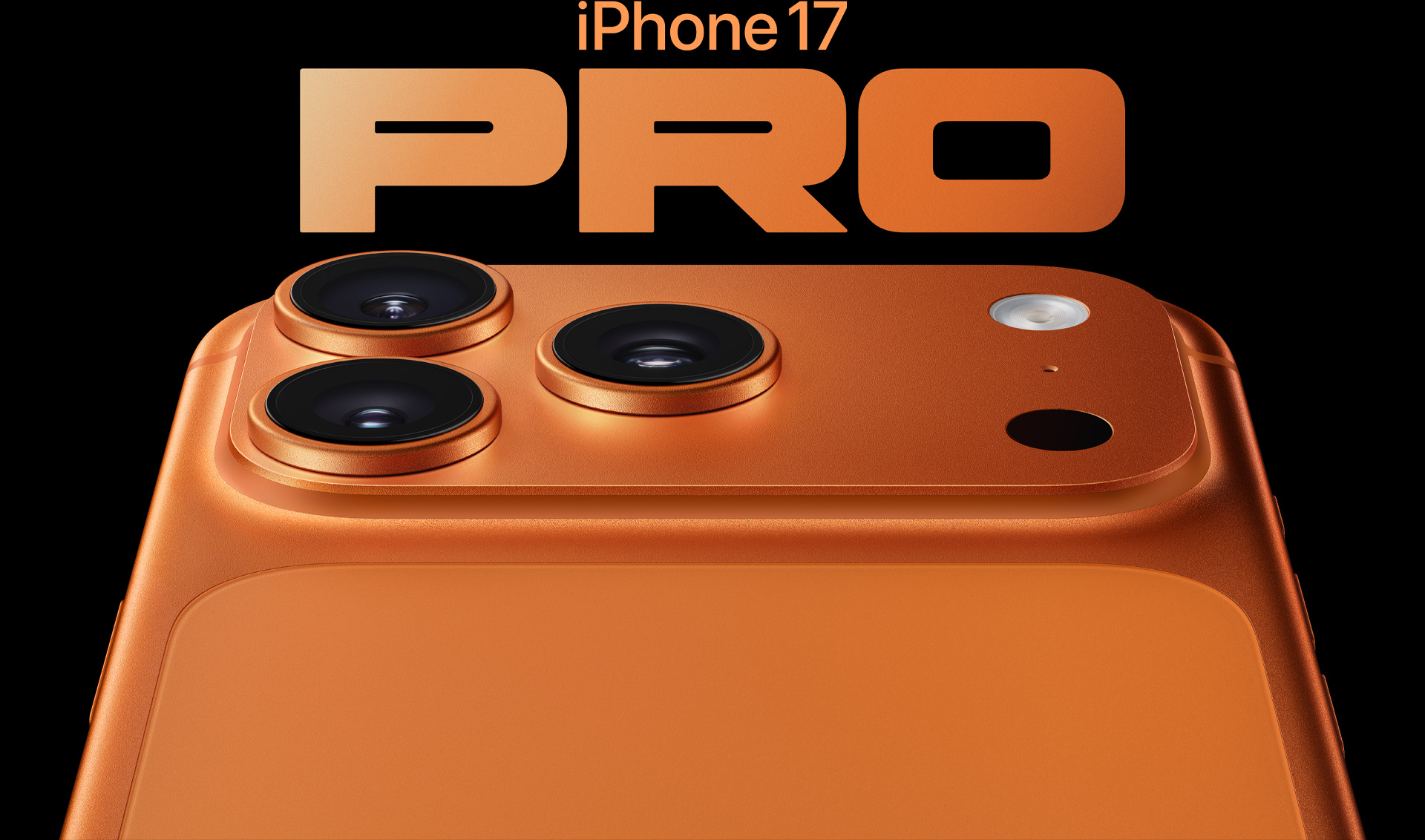
We invite our readers to share their thoughts on the evolution of smartphone hardware and how you approach your own technology upgrades. Are the latest AI integrations and hardware improvements influencing your decision to upgrade, or do you prioritize long-term value and software longevity? Join the conversation in the comments section below and let us know your perspective on the future of mobile technology.
Keep reading
- OnePlus 16 Specs Leak: A Beastly Phone You Won’t Be Able to Buy
- Mexico GDP Grows 1.5%, Microsoft Gains Value, and Spending Lags: Yahoo Finance
- Samsung Galaxy S27 Ultra Leaks Reveal Big Battery and Design Upgrades (archyde.com)
- Warhammer 40,000: Dawn of War IV Reveals Necrons as Third Playable Faction (time.news)