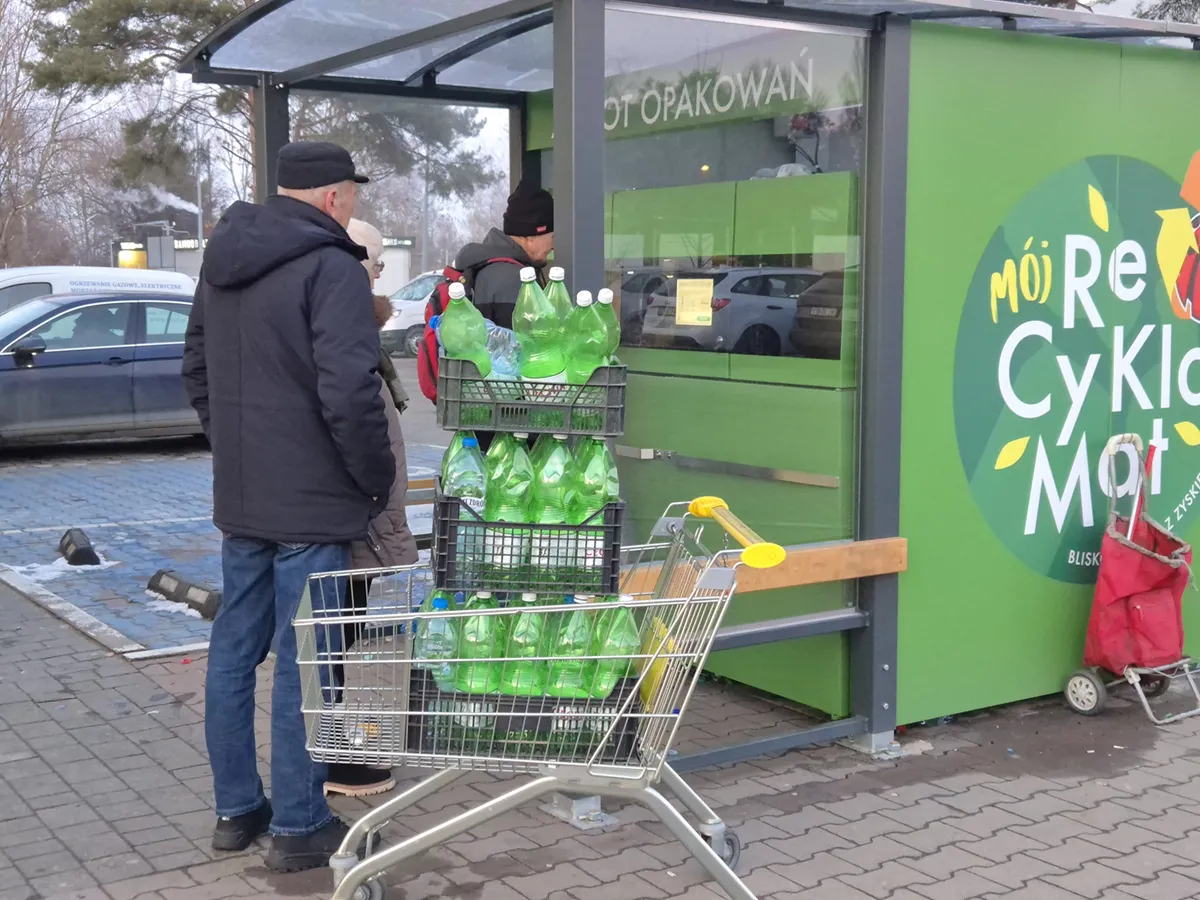
As Poland continues to refine its national environmental strategy, the implementation of a comprehensive deposit-refund system has emerged as a central pillar of the country’s circular economy agenda. For businesses, retailers, and consumers alike, the evolving framework for handling packaging waste represents a significant shift in daily logistics and sustainability reporting. With government officials expected to finalize key regulatory details in June, the industry is bracing for a transition that will integrate new categories of materials into the national collection stream.
The upcoming expansion of the deposit-refund system to include cartons and glass packaging is part of a broader effort to modernize waste management and improve recycling rates. Currently, the Polish Ministry of Climate and Environment is overseeing the legislative process, which aims to harmonize collection standards while addressing the operational challenges faced by retailers and waste management operators. This move toward a more inclusive system reflects a growing commitment to the European Union’s packaging and packaging waste directives, which mandate higher levels of circularity across member states.
Expanding the Scope of Circular Packaging
The primary objective of the proposed updates is to broaden the types of materials eligible for deposit returns. By incorporating multi-material cartons—often used for liquids like milk and juice—and glass bottles into the deposit framework, regulators aim to capture a larger share of high-quality recyclables that might otherwise end up in mixed-waste streams. According to the Ministry of Climate and Environment, the success of the system depends on creating a seamless experience for the end-user while ensuring that collection infrastructure is robust enough to handle increased volume.
Retailers are currently navigating the technical requirements for the transition, which involve both physical modifications to store layouts for collection kiosks and the integration of digital systems to manage financial clearing. The Polish government’s business portal provides ongoing updates for entrepreneurs regarding the compliance deadlines and the technical specifications for equipment required to participate in the mandatory deposit-refund scheme.
Operational Challenges and Retail Integration
One of the most debated aspects of the system is the logistical burden placed on smaller retailers. While large supermarkets have the space to install automated reverse vending machines, smaller neighborhood shops face unique constraints. Industry discussions have focused on the potential for centralized collection hubs or cooperative models that would allow smaller businesses to participate without compromising their limited floor space. The focus remains on ensuring that the “polluter pays” principle is applied fairly, while minimizing the administrative costs for modest and medium-sized enterprises.
the integration of delivery services into the deposit-refund model is being explored as a value-added service for consumers. Some logistics providers are testing programs that allow customers to return empty packaging directly to delivery drivers, potentially turning the “last mile” of home deliveries into a collection point for recyclables. This approach is designed to increase participation rates by making the return process as convenient as possible for households.
What Lies Ahead for Stakeholders
The decision expected in June will be a critical checkpoint for the industry. It is anticipated that the government will provide clarity on the timeline for full implementation, the specific deposit amounts for different packaging types, and the criteria for material eligibility. Stakeholders are encouraged to monitor official announcements from the Ministry of Climate and Environment for guidance on technical standards and the expected transition period.

For businesses, the shift toward a mandatory deposit-refund system is more than a regulatory hurdle; it is an opportunity to streamline supply chains and contribute to a more sustainable industrial ecosystem. As we await the government’s final decision, the focus for all market participants should remain on transparency, infrastructure investment, and consumer education. We will continue to track these developments as they unfold and provide updates on how these changes impact the broader economic landscape.
We invite our readers to share their perspectives on the evolution of the deposit-refund system. How do you foresee these changes affecting your local retail environment, and what challenges do you anticipate for the transition? Join the conversation in the comments section below.
Keep reading