
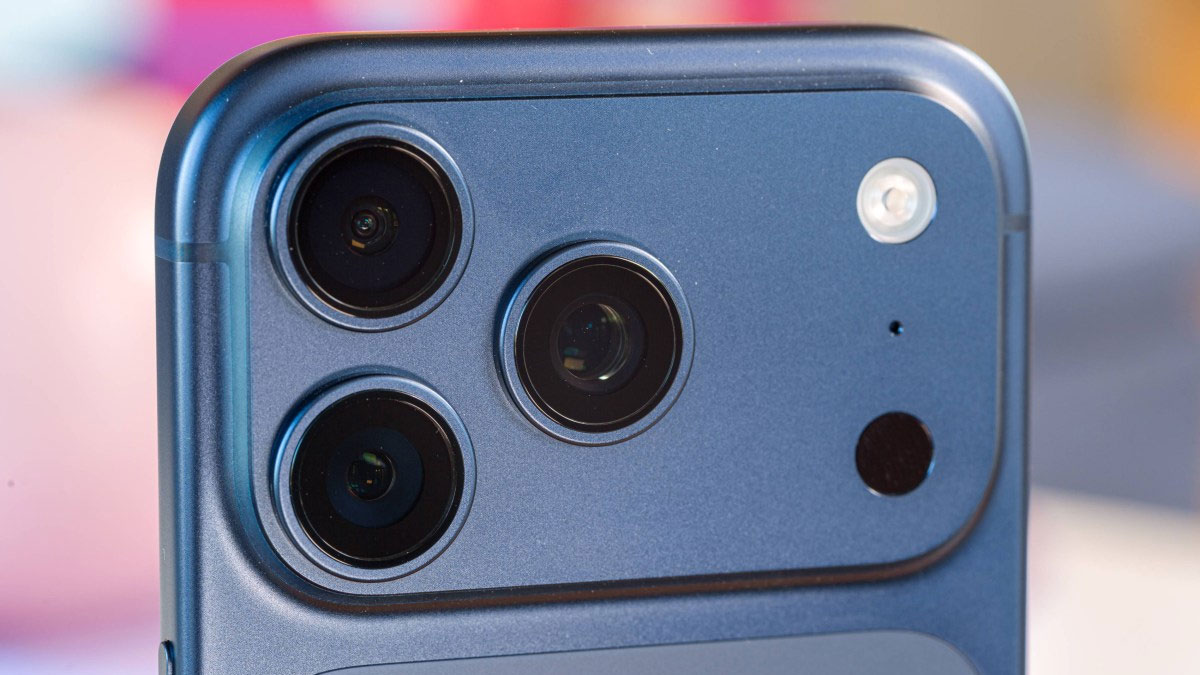
Apple’s 200MP iPhone Camera Rumored for 2028 Release
Recent reports from multiple tech analysts and supply chain sources indicate that Apple is developing a 200-megapixel camera module for a future iPhone, with a likely release date no earlier than 2028. The rumored advancement represents a significant leap from the 48MP sensors currently used in iPhone 14 Pro and iPhone 15 Pro models, though experts caution that higher megapixel counts alone do not guarantee better image quality due to potential increases in image noise, particularly in low-light conditions.
According to a report by 9to5Mac citing Weibo leaker Digital Chat Station (DCS), the 200MP sensor would be specifically designed for the telephoto lens, which is typically used for outdoor photography where lighting conditions are more favorable. This targeted application could help mitigate some of the drawbacks associated with high-resolution sensors in compact smartphone form factors. The leaker initially indicated that the component had been spotted in Apple’s supply chain, later clarifying in comments that a 2028 timeline was “most likely” for the technology’s debut.
Supporting this timeline, AppleInsider reported that industry consensus has coalesced around a 2028 release after earlier uncertainty about whether the feature might arrive in 2027 or 2028. The report noted that Morgan Stanley had previously endorsed the 2028 timeline in an investor earlier this year, lending credibility to the projected schedule. Both sources agree that the sensor would represent a substantial increase in resolution, though they also highlight ongoing technical challenges related to pixel density and light capture efficiency.
Sensor Size and Manufacturing Considerations
Details about the physical specifications of the proposed sensor have emerged from the same supply chain sources. The rumored 200MP module would measure approximately 1/1.12 inches, with a surface area of 93.2mm² — significantly larger than the current main sensors in Apple’s lineup. For comparison, the iPhone 17 and iPhone Air models are expected to use a 1/1.56-inch sensor (1.56mm²), while the iPhone 17 Pro and Pro Max variants would feature a 1/1.28-inch sensor (71.5mm²). This increase in physical size would allow for larger individual pixels despite the high pixel count, potentially improving light-gathering ability and reducing noise.
Regarding manufacturing, sources indicate that Samsung is currently expected to produce the sensor, though Sony is also reportedly competing for the contract. This aligns with historical patterns in which Apple has sourced advanced imaging components from multiple suppliers to ensure supply chain resilience and competitive pricing. Neither company has confirmed involvement in the project, as is typical for pre-release component discussions.
Technical Trade-offs and Industry Context
While a 200MP sensor would mark a milestone in smartphone imaging, industry analysts note that simply increasing resolution does not automatically improve photo quality. The primary concern lies in pixel density: as more pixels are packed into a sensor of fixed or limited size, each individual pixel receives less light, which can lead to increased noise and reduced dynamic range, especially in challenging lighting. This represents why sensor size plays a critical role — larger sensors can accommodate more pixels without sacrificing per-pixel performance.
Apple’s approach appears to address this by pairing the high resolution with a physically larger sensor, specifically for telephoto use where subjects are often well-lit. This strategy mirrors broader industry trends where manufacturers balance resolution, sensor size, and computational photography techniques to optimize real-world image output. The company has historically prioritized practical image quality over raw specifications, often favoring improvements in software processing, lens quality, and sensor efficiency over raw megapixel counts.
What So for Consumers
For iPhone users anticipating cutting-edge camera capabilities, the 2028 timeline suggests that the 200MP telephoto lens would likely debut in models released several years from now, possibly as part of the iPhone 16 or iPhone 17 series depending on Apple’s naming conventions at that time. Until then, users can expect continued refinements to existing camera systems, including improvements in computational photography, optical stabilization, and sensor efficiency.

The development underscores Apple’s ongoing investment in advancing mobile photography, even as it weighs the trade-offs inherent in pushing hardware specifications forward. As with many emerging technologies, the path from prototype to mass production involves extensive testing, refinement, and validation — factors that contribute to the multi-year timeline typically associated with such innovations.
While no official confirmation has been issued by Apple regarding the 200MP sensor or its planned release, the consistency of reports from supply chain sources and analyst notes suggests that the project is under active exploration. Readers interested in tracking developments are encouraged to monitor official Apple communications, investor briefings, and verified supply chain reports for updates.
What are your thoughts on the potential for a 200MP iPhone camera? Would you prioritize resolution over other imaging features like low-light performance or optical zoom? Share your perspective in the comments below, and experience free to share this article with others who follow mobile technology trends.