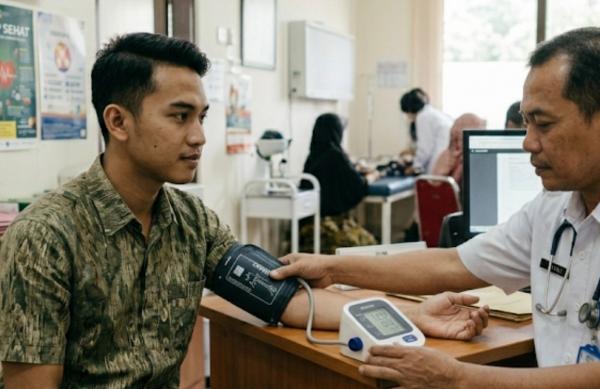
Hypertension is increasingly affecting younger adults, with rising cases reported among people in their 20s and 30s who often experience no noticeable symptoms. This trend has raised concern among health professionals, as high blood pressure—frequently dubbed the “silent killer”—can cause gradual damage to vital organs before any warning signs appear.
The condition, medically defined as consistently elevated blood pressure readings of 130/80 mmHg or higher, is no longer seen as exclusive to older populations. Recent observations from healthcare workers in Indonesia indicate a growing number of young adults are being diagnosed with hypertension, many of whom feel entirely well despite dangerously high readings.
According to a health educator active on social media platform X, formerly known as Twitter, many young people remain unaware of their condition because hypertension often presents without symptoms. The individual, identified as Rizal, shared that readings exceeding 190 mmHg systolic can occur in individuals who feel completely normal, underscoring the risks of undetected high blood pressure.
Lifestyle factors are playing a significant role in this emergence. Poorly managed stress, diets high in sodium from processed foods like instant noodles and salty snacks, physical inactivity, genetic predisposition, underlying kidney or hormonal disorders, chronic sleep deprivation, and smoking are all recognized contributors to increased hypertension risk in younger populations.
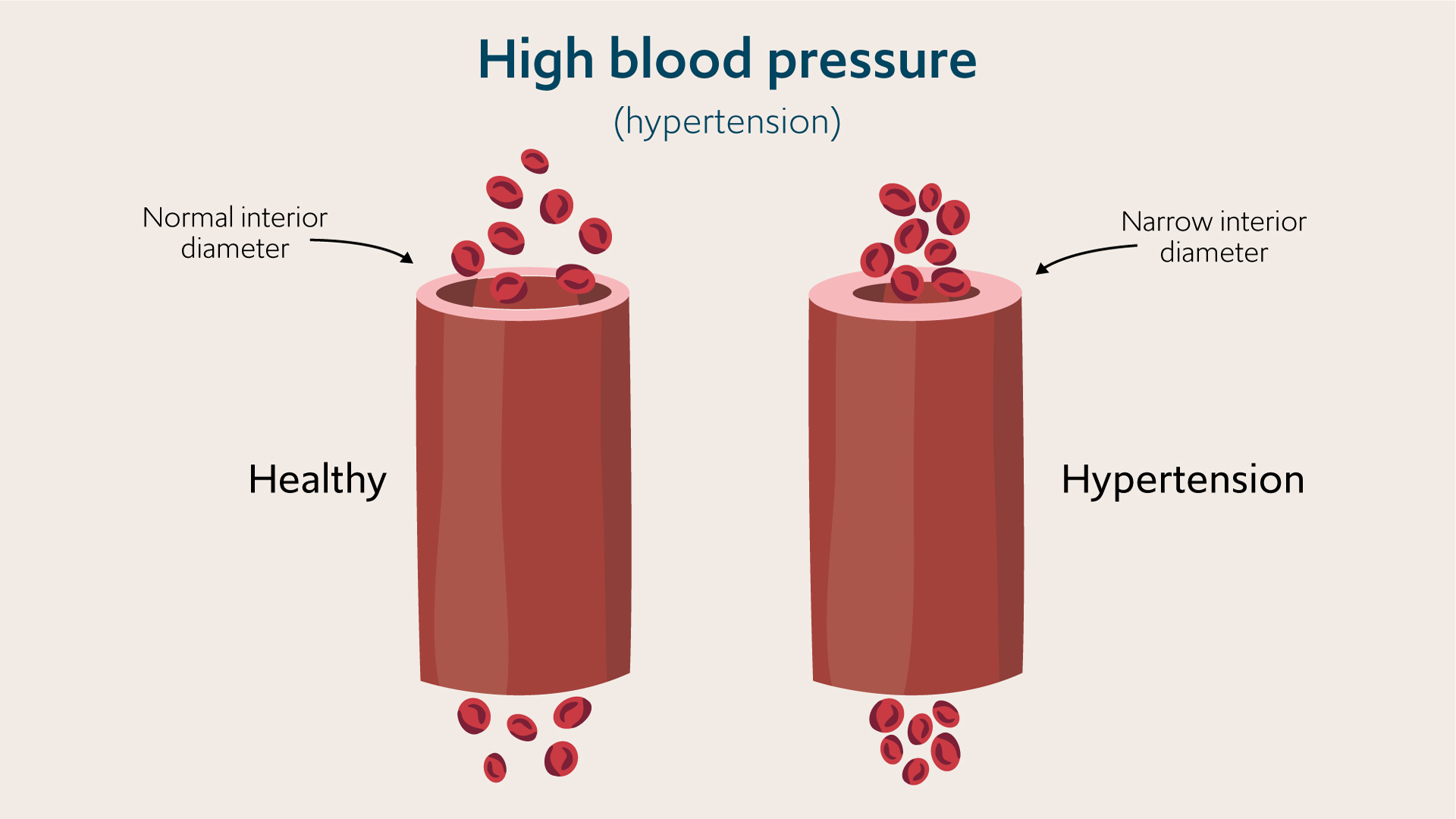
Medical experts emphasize that hypertension is not merely a temporary spike during a check-up but a persistent condition that, over time, damages blood vessels and increases strain on the heart, kidneys, and brain. If left untreated, it can lead to atherosclerosis, heart attack, stroke, and chronic kidney disease.
Understanding the Risks in Young Adults
The rise in hypertension among people aged 20 to 30 is particularly concerning because early-onset high blood pressure is associated with a longer cumulative exposure to vascular damage. Studies show that individuals diagnosed with hypertension before age 40 face a higher lifetime risk of cardiovascular events compared to those who develop it later in life.
The World Health Organization estimates that over 1.28 billion adults aged 30–79 worldwide have hypertension, with two-thirds living in low- and middle-income countries. While global data often focuses on older age groups, emerging evidence suggests a notable shift toward earlier onset, especially in urban populations undergoing rapid lifestyle changes.
In Southeast Asia, rapid urbanization, dietary shifts toward processed and high-salt foods, and increasingly sedentary behaviors have been linked to rising metabolic risks in young adults. These trends mirror patterns seen in other regions where economic development has coincided with increased prevalence of non-communicable diseases.
Why Hypertension Often Goes Undetected
One of the most dangerous aspects of hypertension is its lack of symptoms in the early stages. Unlike conditions that cause pain or discomfort, high blood pressure typically does not produce noticeable warning signs until significant damage has occurred. This asymptomatic nature means many individuals remain unaware of their condition until they experience a serious complication such as a heart attack or stroke.
Health professionals recommend regular blood pressure screening as the most reliable way to detect hypertension early. For adults aged 18 and over, the American Heart Association advises checking blood pressure at least once every two years if readings are normal, and more frequently if elevated levels are detected or risk factors are present.
Home blood pressure monitoring is also encouraged for those at higher risk, as it can provide a more accurate picture of average blood pressure outside clinical settings, where anxiety may temporarily elevate readings—a phenomenon known as white coat hypertension.
Prevention and Management Strategies
Preventing hypertension in young adults begins with lifestyle modifications. Reducing sodium intake to less than 2,300 milligrams per day—ideally toward 1,500 mg for greater benefit—can significantly lower blood pressure. This involves limiting processed foods, canned soups, salty snacks, and speedy food, while increasing consumption of fruits, vegetables, whole grains, and lean proteins.
Regular physical activity, such as brisk walking for at least 150 minutes per week or vigorous exercise for 75 minutes weekly, helps maintain healthy blood pressure levels. Weight management is also critical, as even modest weight loss can reduce hypertension risk in overweight individuals.
Stress reduction techniques, including mindfulness, adequate sleep (7–9 hours per night), and limiting alcohol and tobacco use, further support cardiovascular health. For those with diagnosed hypertension, medical treatment may include medications such as ACE inhibitors, calcium channel blockers, or diuretics, prescribed based on individual health profiles.
Public Health Implications
The increasing prevalence of hypertension in younger populations poses challenges for public health systems, particularly in countries with limited access to preventive care and routine screenings. Early detection and intervention are essential to prevent long-term complications and reduce the burden on healthcare infrastructure.

Community-based education campaigns, workplace wellness programs, and school health initiatives can play a vital role in raising awareness about the risks of hypertension and promoting healthy behaviors from a young age. Digital health tools, including mobile apps for tracking blood pressure and medication adherence, are also being explored as scalable solutions.
Health authorities stress that hypertension is both preventable and manageable. With timely lifestyle changes and, when necessary, appropriate medical treatment, individuals can significantly reduce their risk of complications and maintain long-term cardiovascular health.
As awareness grows, health professionals continue to emphasize the importance of knowing one’s blood pressure numbers. Regular screening remains the most effective step toward identifying hypertension before it causes irreversible harm.
For the latest guidelines on hypertension prevention and management, readers are encouraged to consult official resources from the World Health Organization or their national heart associations.
We welcome your thoughts and experiences. Have you or someone you know been surprised by a hypertension diagnosis at a young age? Share your story in the comments below to help raise awareness. If you found this information useful, please consider sharing it with others who may benefit.
Related reading