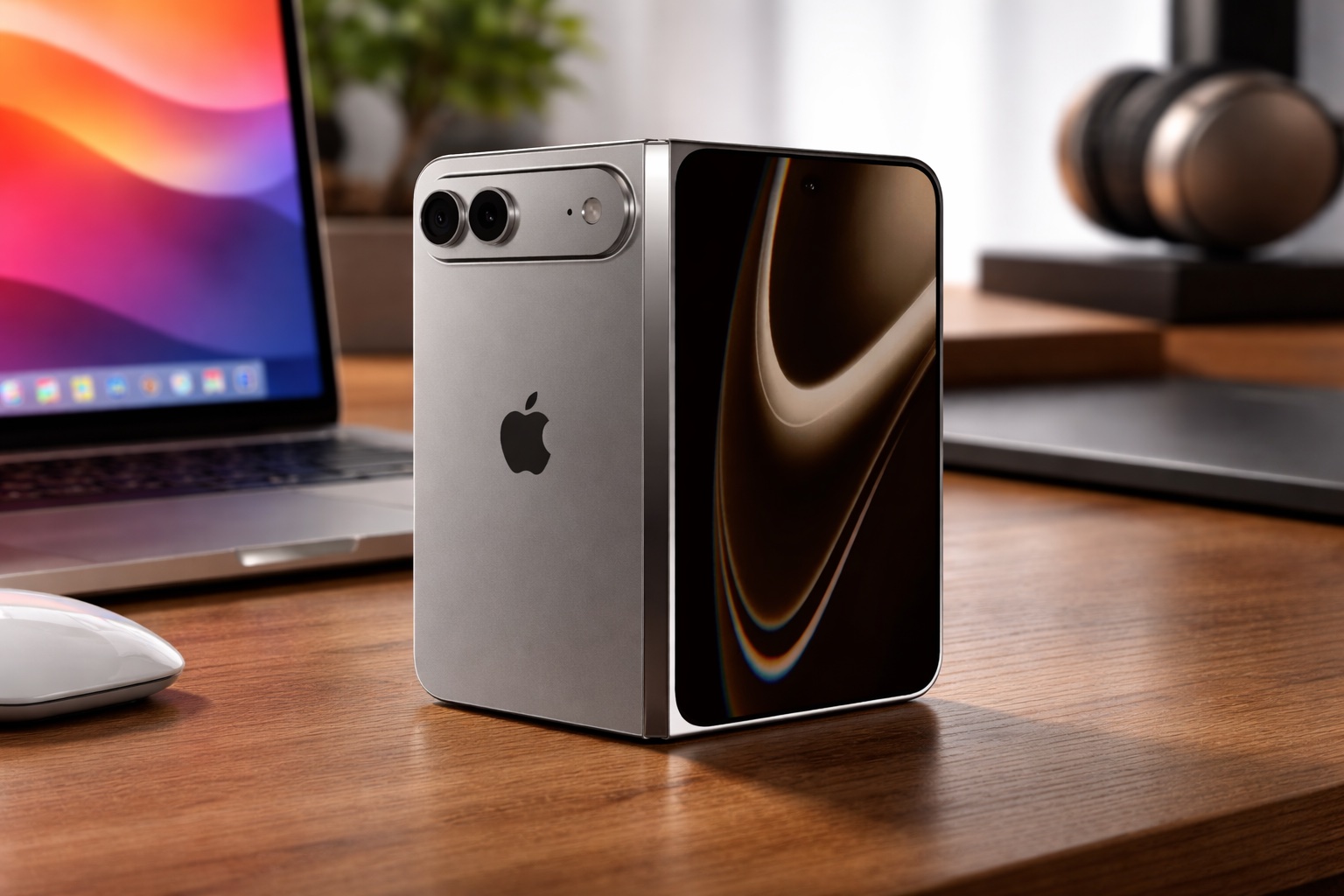
Apple’s Foldable iPhone: A New Vision for Mobile Interaction
The long-anticipated arrival of a foldable iPhone, expected by the end of 2026, isn’t shaping up to be just another entry into a growing market. Instead, reports suggest Apple is aiming to redefine how users interact with their iPhones when expanded, moving beyond simply offering a larger screen. According to Bloomberg’s Mark Gurman, the device will draw inspiration from the iPad in terms of its user interface and introduce a design element new to Apple – a hole-punch front-facing camera. This approach signals a potential shift in Apple’s strategy, prioritizing a unique user experience over merely replicating features found in existing foldable smartphones.
The potential for a redesigned interface is perhaps the most significant aspect of the upcoming iPhone Fold. Rather than simply scaling up the iPhone’s existing iOS, Apple is reportedly developing a system tailored to the wider, more panoramic display, roughly the size of an iPad mini. This isn’t just about making icons bigger; it’s about fundamentally changing how users multitask and consume content on a mobile device. The shift towards a more versatile form factor is a response to the evolving needs of users who demand greater productivity and immersive experiences from their smartphones. The foldable iPhone aims to bridge the gap between the portability of a phone and the functionality of a tablet, offering a compelling alternative for users who frequently switch between devices.
Apple’s commitment to innovation in the mobile space is evident in its exploration of new hardware and software solutions. The company has consistently pushed the boundaries of what’s possible with mobile technology, and the iPhone Fold appears to be no exception. The device is expected to offer a unique combination of features and capabilities that set it apart from its competitors, solidifying Apple’s position as a leader in the industry. The focus on user experience, coupled with Apple’s renowned design aesthetic, suggests that the iPhone Fold will be a premium product that appeals to discerning consumers.
An iPad-Inspired Interface for Enhanced Productivity
The core of the iPhone Fold’s differentiation lies in its reimagined user interface. The device won’t simply unfold to reveal a larger smartphone screen; it’s designed to fundamentally alter how users interact with their iPhones when the display expands. Apple is reportedly redesigning iOS to take full advantage of the panoramic format, offering increased workspace and flexibility compared to a traditional iPhone. Which means new app layouts inspired by the iPad’s organization, with sidebars and additional panels becoming commonplace. The wider internal display, reportedly larger than many Android foldables, should facilitate the adaptation of existing iPhone apps to this new structure.
A key feature differentiating the iPhone Fold from traditional iPhones will be the ability to view two apps side-by-side on the internal display. This functionality, already prevalent in Android foldables, would mark Apple’s first foray into split-screen multitasking on an iPhone. This capability transforms the unfolded device into a workspace akin to an iPad mini, ideal for reading, writing, video conferencing, or reviewing documents with a more spacious layout. The larger screen real estate allows for a more efficient and immersive experience, enabling users to accomplish more tasks simultaneously. This feature directly addresses the needs of power users who demand greater productivity from their mobile devices.
While the interface will be significantly enhanced, Apple is reportedly maintaining iOS as the operating system, rather than adopting iPadOS. This suggests a more streamlined experience tailored to smartphone usage, rather than the full-fledged multitasking and window management system found on iPads. This decision likely reflects Apple’s desire to maintain a consistent user experience across its devices while still offering a unique and compelling foldable experience. The focus remains on providing a mobile-first experience that leverages the benefits of the foldable form factor without overwhelming users with complex features.
A Hole-Punch Camera and the Return of Touch ID
Beyond the software enhancements, the iPhone Fold is also expected to introduce a notable design change: a hole-punch front-facing camera. According to reports, Apple initially explored an under-display camera but ultimately opted for a hole-punch solution to maintain image quality. This design choice eliminates the need for a notch or pill-shaped cutout, providing a more immersive viewing experience. The move represents a departure from Apple’s recent design trends and signals a willingness to embrace new technologies to improve the overall user experience. The hole-punch camera is a subtle yet significant change that contributes to a cleaner and more modern aesthetic.
Interestingly, the implementation of a hole-punch camera comes with a trade-off: the removal of Face ID. The extremely thin panel of the foldable device reportedly doesn’t allow for the integration of the Face ID system’s sensors. Apple is expected to revert to Touch ID for biometric authentication, a feature previously found on older iPad models. This decision highlights the engineering challenges associated with integrating advanced features into a foldable device. While some users may miss the convenience of Face ID, Touch ID remains a secure and reliable authentication method.
Despite the change in authentication methods, Apple is expected to retain the Dynamic Island, the interactive area around the camera cutout on current iPhone models. This suggests that the Dynamic Island will continue to serve as a hub for notifications, ongoing activities, and system information, even with the new hole-punch camera design. The preservation of the Dynamic Island demonstrates Apple’s commitment to maintaining a consistent user experience across its devices. The Dynamic Island adds a layer of functionality and interactivity to the iPhone, enhancing the overall user experience.
Pricing and Market Impact
These innovations come at a cost. Apple is reportedly considering a price tag of around $2,000, which could translate to approximately €2,500 in European markets. This price point positions the iPhone Fold as a premium device, significantly higher than current iPhone models but comparable to other flagship foldable smartphones. The high price reflects the advanced technology and engineering required to create a foldable device, as well as Apple’s brand positioning as a luxury product. The pricing strategy will be a key factor in determining the iPhone Fold’s success in the market.
The question remains whether the iPhone Fold can transform the foldable smartphone market, which has remained a niche segment despite several years of development. The success of the device will depend on its ability to deliver a compelling user experience that justifies its high price tag. Apple’s entry into the foldable market is expected to attract significant attention and potentially drive wider adoption of the technology. The iPhone Fold has the potential to redefine the smartphone landscape, offering a new level of versatility and functionality.
The launch of the iPhone Fold in 2026 represents a significant milestone in the evolution of mobile technology. Apple’s approach, focusing on a unique user experience and seamless integration with its existing ecosystem, could set a new standard for foldable smartphones. The device’s success will hinge on its ability to deliver on its promises of enhanced productivity, immersive entertainment, and a truly innovative mobile experience. The industry will be closely watching to see if Apple can successfully navigate the challenges of the foldable market and establish a new category of premium mobile devices.
As of March 15, 2026, Apple has not officially confirmed the specifications or pricing of the iPhone Fold. Further details are expected to emerge as the launch date approaches. Consumers interested in learning more about the iPhone Fold can follow Apple’s official website and news channels for updates. The company is expected to provide a comprehensive overview of the device’s features and capabilities in the coming months.
Key Takeaways:
- The iPhone Fold will feature an iPad-inspired interface optimized for its larger, foldable display.
- Apple is opting for a hole-punch front-facing camera instead of under-display technology, leading to the return of Touch ID.
- The device is expected to be priced around $2,000, positioning it as a premium foldable smartphone.
- The iPhone Fold aims to redefine the foldable smartphone experience by prioritizing user experience and seamless integration with Apple’s ecosystem.
Stay tuned to World Today Journal for continued coverage of the iPhone Fold and the evolving landscape of mobile technology. We encourage you to share your thoughts and expectations in the comments below.