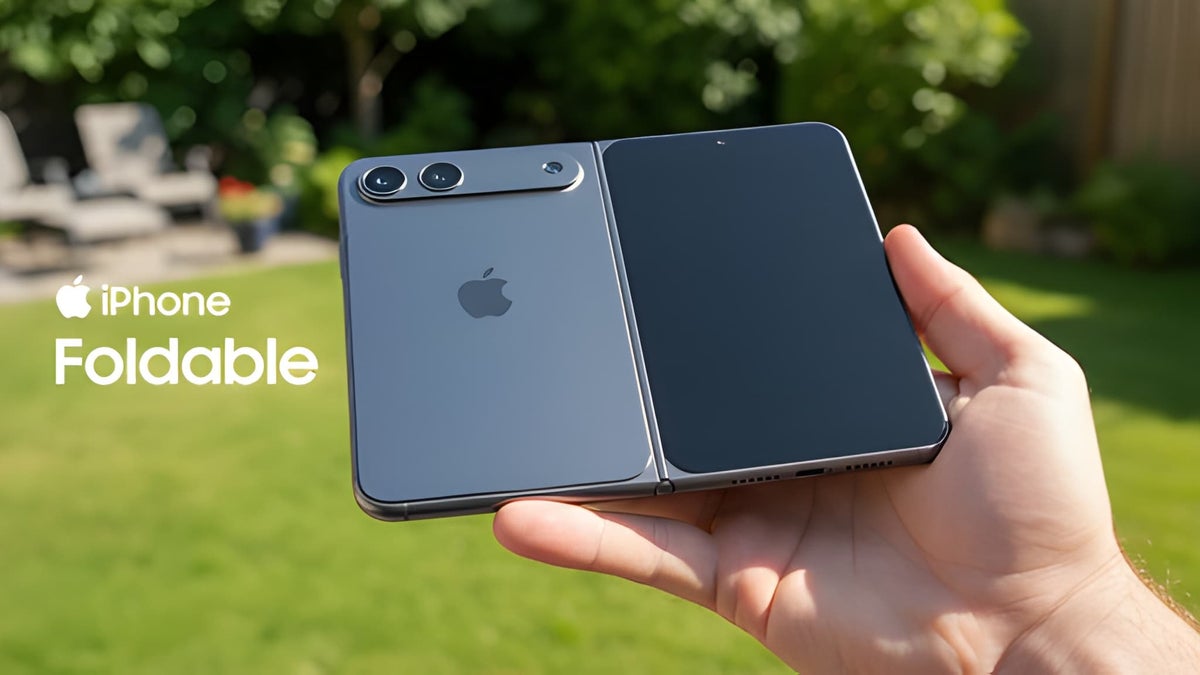
The potential return of Touch ID on a high-end iPhone Ultra model has emerged as a significant point of discussion for technology enthusiasts and industry observers. While Apple transitioned its flagship devices to Face ID starting with the iPhone X in 2017, reports suggest that the company may be reconsidering biometric alternatives to enhance user convenience and security in future hardware iterations. This shift, if realized, would mark a notable pivot in Apple’s design philosophy, addressing long-standing user interest in fingerprint authentication.
For many users, the primary driver for this potential change is the desire for a multi-modal authentication system. While Face ID is widely integrated into the current iPhone lineup, fingerprint sensors remain a staple in the broader smartphone market. Integrating Touch ID into an “Ultra” tier device—a category often associated with premium features and expanded hardware capabilities—could provide a practical solution for scenarios where facial recognition is less effective or less convenient, such as when a device is lying flat on a desk or when a user is wearing a face covering.
The Evolution of Biometric Security at Apple
Apple’s history with biometric authentication is rooted in the introduction of Touch ID with the iPhone 5s in 2013. That technology, which utilized a capacitive sensor integrated into the Home button, provided a seamless way for users to unlock their devices and authorize transactions. The transition to Face ID in 2017 represented a move toward depth-sensing technology, which Apple positioned as a more secure and reliable method for device access. According to Apple’s official documentation on security, Face ID uses the TrueDepth camera system to map facial geometry, providing a high level of accuracy for authentication. Apple’s security guide confirms that the probability of a random person unlocking your iPhone with Face ID is approximately 1 in 1,000,000.


Despite the success of Face ID, the absence of a fingerprint option has remained a frequent topic of debate. The engineering challenge for Apple lies in integrating a sensor without compromising the edge-to-edge display design that has defined the iPhone since the iPhone X. Modern implementation strategies, such as under-display ultrasonic or optical sensors, have become standard among competitors, leading to speculation that Apple might adopt similar technology for a future Ultra-branded device to differentiate it from the standard and Pro models.
Why an iPhone Ultra Might Require New Authentication
The concept of an “Ultra” iPhone implies a device designed for power users who demand the most advanced hardware Apple can provide. As the company continues to focus on Apple Intelligence and integrated software experiences, the hardware must keep pace with these demands. A secondary biometric layer, such as an under-display fingerprint sensor, would not necessarily replace Face ID but would serve as a redundant, high-utility feature. This aligns with Apple’s established approach of designing hardware and software in tandem to ensure a cohesive user experience. As noted in Apple’s current product literature, the company emphasizes the seamless integration of its systems to ensure that features like data transfers and device setup remain intuitive for the end user.

From an accessibility standpoint, reintroducing Touch ID would offer significant benefits. For users who work in environments where face masks are required or who prefer a tactile method of unlocking, the inclusion of a secondary sensor would address a clear user need. By reserving this feature for an Ultra model, Apple could effectively segment its market, offering the latest biometric advancements to users who prioritize top-tier hardware configurations while maintaining the standard Face ID experience across the rest of its lineup.
What Happens Next for iPhone Hardware
As of June 2026, Apple has not officially confirmed the existence of an “iPhone Ultra” nor any specific plans to integrate Touch ID into future handsets. The company’s current focus remains on the existing iPhone 17 series and the ongoing development of its software ecosystem, including Apple Intelligence features. Industry analysts and consumers alike will be looking toward future hardware events and official product announcements for clarity on whether these rumors materialize into actual consumer products.
For those interested in the latest developments, Apple provides updates through its official newsroom and product pages. Users can also utilize the Apple Support app or visit an Apple Store to consult with specialists regarding the capabilities of current devices. If you have thoughts on the future of iPhone biometrics or would like to share your experience with existing authentication methods, feel free to contribute to the discussion below.
- iOS 27: Siri AI und Video-Apps revolutionieren CarPlay – BornCity
- Xiaomi YU7 Max Venezuela CLX Group y su CEO Nasar Dagga han presentado … – Instagram
- Apple iOS 16.2 Update Causes User Complaints (world-today-news.com)
- Seven Tornadoes Touch Down in West Virginia During Tuesday’s Storms (news-usa.today)