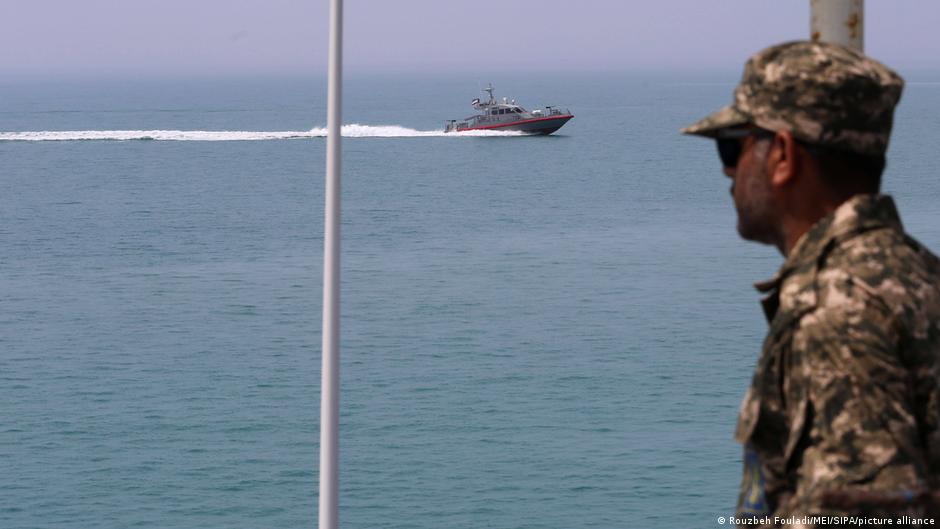
Recent developments in the Strait of Hormuz have intensified as Iran’s Islamic Revolutionary Guard Corps Navy reported intercepting two vessels attempting to transit the strategic waterway without proper authorization. The incident, occurring amid ongoing diplomatic uncertainty regarding potential U.S.-Iran ceasefire discussions, underscores the fragile state of maritime security in one of the world’s most critical oil chokepoints.
According to statements from Iranian naval authorities cited in regional reporting, the vessels were accused of endangering maritime security by entering Iranian-claimed waters without prior notification or clearance. While specific details about the ships’ nationalities, cargo, or exact point of interception were not disclosed in the initial reports, the action reflects Tehran’s continued assertion of control over access to the Strait, which it views as vital to its national security interests.
The Strait of Hormuz, located between Oman and Iran, serves as the sole sea passage from the Persian Gulf to the open ocean and is among the world’s most strategically significant choke points for global energy supplies. Approximately 20-30% of the world’s seaborne crude oil and liquefied natural gas passes through this narrow waterway, making any disruption a matter of significant international concern.
This latest incident occurs within a broader context of heightened naval activity in the region. Independent verification shows that over the past several days, the U.S. Navy has implemented measures affecting commercial shipping near Iranian waters. Reports indicate that American naval forces have intercepted and turned back multiple vessels attempting to approach Iranian ports, citing sanctions enforcement and regional security protocols.
Specifically, verified sources confirm that the U.S. Military has turned back 27 ships seeking to enter or exit Iranian ports since the establishment of an enhanced maritime presence outside the Strait of Hormuz. This action forms part of ongoing efforts to enforce international sanctions while maintaining freedom of navigation claims in accordance with the United Nations Convention on the Law of the Sea (UNCLOS).
The simultaneous assertions of control by both Iranian, and U.S. Naval forces have created a complex operational environment for commercial shippers. Vessels transiting the Strait now face competing claims of authority, with Iran requiring advance notice for passage through what it considers its territorial waters, while the United States maintains that the Strait remains an international waterway where freedom of navigation must be upheld.
Maritime law experts note that while Iran can legitimately regulate vessels entering its internal waters or territorial sea (extending 12 nautical miles from its baseline), the Strait of Hormuz itself contains passages wider than 24 nautical miles, meaning certain transit routes fall under the regime of transit passage under UNCLOS, which limits coastal states’ ability to impede navigation.
The timing of these naval developments coincides with reported fluctuations in diplomatic channels between Washington and Tehran. While specific details of any backchannel communications remain unconfirmed, multiple international observers have noted increased diplomatic signaling in recent weeks regarding the possibility of de-escalation talks, though no formal negotiations have been publicly acknowledged by either government.
Analysts suggest that maritime incidents like the recent vessel interceptions often serve as signaling mechanisms in broader geopolitical disputes. Such actions can demonstrate resolve, test adversary responses, or create leverage in negotiations, even when not intended to escalate to direct conflict. The commercial shipping industry, meanwhile, continues to monitor the situation closely, with many operators adjusting routing preferences or increasing insurance precautions when operating in the region.
For vessel operators and maritime insurers, key considerations include staying informed about the latest advisories from flag state authorities and international maritime organizations. The International Maritime Organization and regional maritime security centers regularly issue guidance on transiting high-risk areas, though compliance with sometimes conflicting national requirements remains challenging.
As of the latest verified reports, no injuries, environmental damage, or significant cargo loss has been associated with the recent intercepts. Both Iranian and U.S. Naval forces have characterized their actions as defensive measures aimed at maintaining regional stability, though interpretations of these actions vary widely among international observers.
The evolving situation highlights the persistent intersection of military posturing, diplomatic engagement, and global economic interests in the Persian Gulf region. With energy markets sensitive to any perception of supply disruption, even limited maritime incidents can trigger disproportionate market reactions, underscoring the importance of verified, context-rich reporting on developments in this strategically vital waterway.
Moving forward, maritime stakeholders will be watching for any official communications regarding scheduled diplomatic engagements or changes in naval operational directives. The next confirmed developments to monitor include any statements from the U.S. Fifth Fleet headquarters in Bahrain regarding regional maritime security operations, as well as potential updates from Iranian naval command channels in Bandar Abbas.
Stay informed about critical developments in global maritime security and energy markets by following trusted sources of verified information. Share this analysis to facilitate others understand the complex dynamics at play in one of the world’s most important maritime thoroughfares.
Related reading
- IMD Issues Yellow Alert for Heavy Rainfall Across 40 Districts as Below-Normal Monsoon Forecast Continues Through September
- Christian Dandrès: State Intervention Ends Where Lease Agreements Begin
- Henry Pollock Worth £1m-a-Year, Says Eddie Hearn Amid Northampton Contract Talks (archynewsy.com)
- Trump Slams Iran’s Duplicity and Warns Blockade Will Remain Amid Stalled Talks (world-today-news.com)