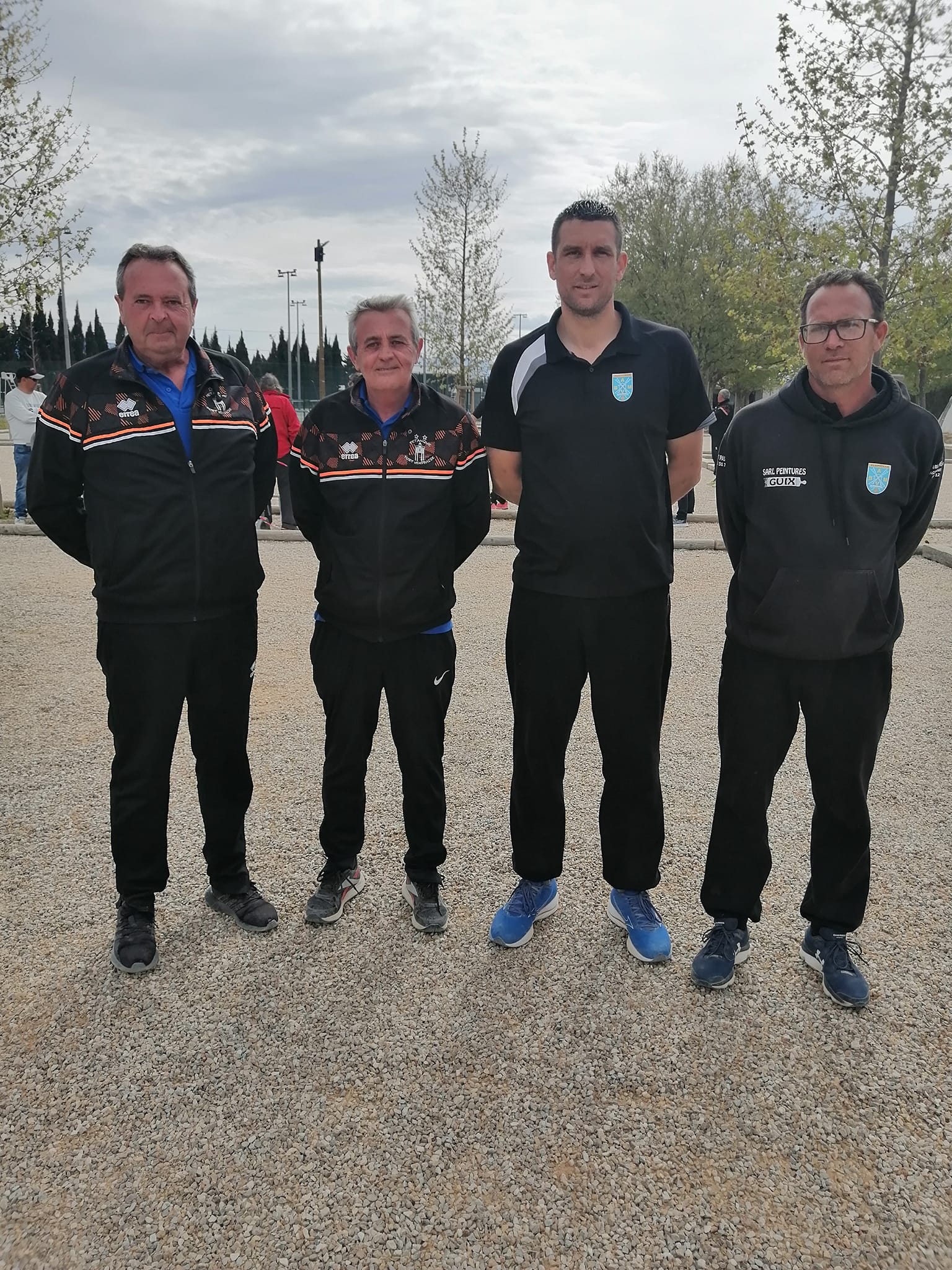
Villeurbanne, a vibrant commune in the Auvergne-Rhône-Alpes region of eastern France, is home to a dedicated community of pétanque enthusiasts who keep alive one of the country’s most cherished traditional sports. Known locally as jeu provençal, pétanque remains deeply embedded in French cultural life, particularly in towns and cities where boulodromes serve as social hubs for players of all ages. In Villeurbanne, organized efforts to promote and sustain the sport are underway through local associations committed to fostering participation, preserving tradition and strengthening community ties through regular play and events.
The Villeurbanne Pétanque association, active within the municipal sports framework, focuses on maintaining accessible facilities and encouraging both recreational and competitive engagement. Operating under the broader umbrella of French pétanque governance, the group aligns with national standards while addressing local needs. Their current initiatives include organizing informal meetups, supporting youth outreach, and preparing for upcoming regional competitions, all aimed at ensuring the sport remains inclusive and visible within the city’s active lifestyle offerings.
Pétanque itself is a form of boules where players stand within a small circle and throw hollow metal balls as close as possible to a small wooden target ball, called the cochonnet or jack. Originating in the early 20th century in La Ciotat, the game evolved from earlier Provençal forms and is now governed nationally by the Fédération Française de Pétanque et Jeu Provençal (FFPJP), which oversees licensing, rules, and international representation. Villeurbanne’s participation reflects the widespread appeal of the sport across urban and rural France, where it is played in parks, dedicated boulodromes, and even informal street settings.
According to the Office du Sport Villeurbanne (OSV), the municipal body responsible for promoting physical activity and sports accessibility, pétanque is listed among the federated sports available to residents through local clubs. The OSV platform highlights pétanque as part of its effort to connect citizens with suitable physical activities based on age, interest, and proximity, reinforcing the city’s commitment to inclusive sports provision. This integration into municipal sports indexing helps ensure that interested individuals can easily find practice schedules, contact information, and facility details for local pétanque groups.
Recent developments indicate that the Villeurbanne Pétanque association is actively working to modernize its outreach while preserving the game’s traditional character. While specific event calendars or membership figures are not publicly detailed in accessible municipal or federation records, the association’s presence on platforms like HelloAsso — a French online service used by nonprofits for membership management, fundraising, and event ticketing — suggests ongoing administrative activity and community engagement efforts. Such tools are commonly used by grassroots sports associations to manage dues, announce tournaments, and communicate with members.
The social dimension of pétanque remains central to its endurance. Beyond competition, the game fosters intergenerational interaction, with older players often mentoring younger ones in technique and sportsmanship. In Villeurbanne, as in many French towns, the boulodrome serves not just as a playing field but as a gathering place where conversation, camaraderie, and local news flow as freely as the games themselves. This role becomes especially valuable in urban areas where opportunities for low-barrier, socially enriching physical activity are sought after by residents aiming to maintain active, connected lifestyles.
From a health perspective, pétanque offers low-impact exercise suitable for a wide range of ages and abilities. It promotes balance, coordination, and fine motor control without placing excessive strain on joints, making it particularly popular among older adults seeking to stay physically and socially active. The French Ministry of Sports has recognized pétanque as part of its “Sport Santé” initiative, which encourages adapted physical activity for well-being, further validating its role in public health strategies at the municipal level.
Internationally, pétanque has grown beyond France, with over 600,000 licensed players worldwide and strong followings in countries such as Thailand, Spain, and Senegal, where it was introduced through cultural exchange and diaspora communities. The FFPJP supports international competitions, including World Championships and events at the World Games, where French teams have historically performed strongly. While Villeurbanne’s players may not regularly compete at the elite international level, their local participation contributes to the broader ecosystem that sustains the sport’s vitality and global reach.
Looking ahead, the Villeurbanne Pétanque association indicates it is preparing upcoming initiatives, though specific details such as event dates, tournament formats, or partnership announcements have not been verified through official municipal, federation, or association channels as of this writing. Residents interested in joining or learning more are encouraged to consult the Office du Sport Villeurbanne website or visit HelloAsso for the most current information regarding membership, practice times, and local events.
As pétanque continues to thrive in neighborhoods across France, Villeurbanne’s commitment to supporting the sport reflects a broader cultural value placed on accessible, community-centered recreation. Whether played competitively or casually, the game endures not just as a pastime, but as a living tradition that brings people together — one throw at a time.
Keep reading