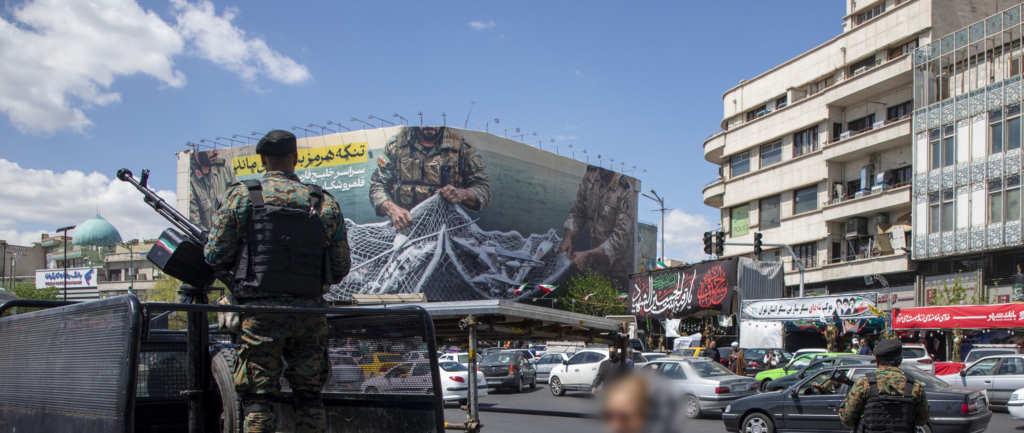
Six months after the January 2026 uprising in Iran, international calls for accountability have intensified as human rights organizations warn that the lack of a formal justice mechanism risks further state-led violence. Following mass killings during protests between January 8 and 9, 2026, observers report that the Iranian government continues to operate with systemic impunity, emboldened by a global community focused on geopolitical negotiations rather than human rights enforcement.
The unrest, which began on December 28, 2025, was triggered by a severe currency collapse, rampant inflation, and widespread state mismanagement of essential resources, including water. What started as localized economic grievances in Tehran rapidly transformed into a nationwide movement challenging the structure of the Islamic Republic. According to data released on January 21, 2026, by Iran’s Supreme Council of National Security, the government acknowledged 3,117 deaths during the crackdown. These figures are contested by international monitors; on January 16, 2026, the UN Special Rapporteur on Iran, Mai Sato, stated in a media interview that the death toll likely exceeded 5,000 individuals.
The Impunity Crisis and Escalating Repression
The state response to the uprising involved a militarized security apparatus, characterized by the widespread use of lethal force and prolonged internet blackouts designed to isolate demonstrators. Human rights advocates argue that the failure of the international community to pursue formal criminal investigations has created a permissive environment for the Iranian authorities. Without consequences for the mass killings in January, security forces have reportedly maintained a “trigger-ready” posture against those they categorize as political enemies.

This atmosphere of impunity has been exacerbated by the regional security environment. Following military strikes involving the United States and Israel on February 28, 2026, the Iranian government implemented “wartime conditions” to further restrict public dissent. Under these emergency justifications, the state intensified a campaign of arbitrary arrests, enforced disappearances, and a surge in political executions. Documentation indicates that at least 44 individuals were executed between the onset of these measures and mid-year, with many more currently facing similar legal risks.
Geopolitics and the Human Rights Gap
On June 18, 2026, the United States and Iran signed a memorandum of understanding aimed at de-escalating military hostilities. While this agreement set a 60-day timeline for further negotiations, critics, including various international human rights bodies, have pointed out that the document lacks provisions for justice, reparations, or the protection of civil liberties for those affected by the state crackdown. The focus on a “lasting deal” to end the war has, in the view of many observers, effectively sidelined the urgent need for an independent international inquiry into the events of January 2026.

The call for the UN Security Council to refer the situation to the International Criminal Court (ICC) remains a central demand for those seeking accountability. Without such a referral or the establishment of an independent justice mechanism, advocates maintain that the cycle of repression will continue to disproportionately affect survivors and the families of the deceased, who remain unable to seek redress within the domestic Iranian legal system.
Current Status of Negotiations
The memorandum signed in June 2026 remains the primary framework for ongoing diplomatic discussions between Washington and Tehran. As the 60-day window for a final agreement progresses, the status of human rights remains a point of contention in international diplomatic circles. There is currently no scheduled date for an official UN Security Council session specifically addressing a referral to the ICC regarding the Iranian uprising, leaving the path for international criminal justice uncertain.
For ongoing updates regarding the human rights situation in Iran, readers may consult the official reports published by the UN Office of the High Commissioner for Human Rights. We invite our readers to share their perspectives on the role of international diplomacy in domestic human rights crises in the comments section below.