
Diplomatic uncertainty persists following conflicting reports regarding a potential de-escalation agreement between the United States and Iran. While international media outlets have circulated claims of an imminent “great settlement,” official channels in Tehran have denied the existence of any signed memorandum of understanding, leaving the status of bilateral negotiations in a state of flux.
As the Editor of the World section at World Today Journal, I have monitored these developments closely. The lack of a unified statement from the involved parties highlights the ongoing complexities of high-stakes international diplomacy, particularly concerning the management of frozen assets and the security of the Strait of Hormuz. Understanding the current impasse requires separating unverified claims from the established positions held by Washington and Tehran.
Conflicting Reports on Diplomatic Progress
The narrative surrounding a potential agreement gained momentum following reports suggesting a breakthrough regarding the release of Iranian assets and maritime transit protocols. However, the Iranian government has officially distanced itself from these claims. According to a report by Reuters, Iranian officials have consistently maintained that no formal agreement or memorandum of understanding has been finalized with the United States. This denial directly challenges the speculation that a signing ceremony was imminent.
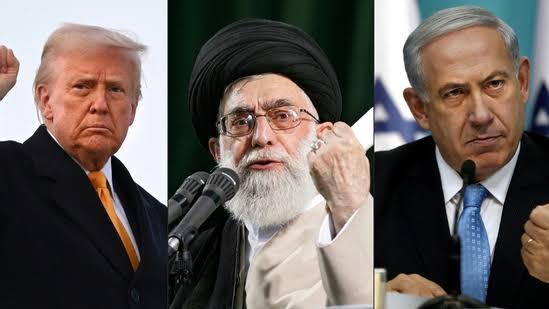
The discrepancy between the reported progress and the official stance from Tehran is a recurring feature in U.S.-Iran relations. Historically, back-channel communications often precede public announcements, but the absence of a confirmed timeline for any document signing suggests that significant gaps remain in the negotiating positions of both nations. The U.S. Department of State has not issued a confirmation regarding the specific terms of a “great settlement,” maintaining a policy of strategic ambiguity regarding ongoing diplomatic efforts.
The Strategic Importance of the Strait of Hormuz
At the heart of the current discourse is the security of the Strait of Hormuz, a critical maritime chokepoint through which approximately 20% of the world’s total petroleum consumption passes, according to data from the U.S. Energy Information Administration. Any shift in the diplomatic environment regarding this region has immediate consequences for global energy markets and maritime insurance premiums.
The reported discussions regarding “arrangements” for the strait reflect a long-standing desire by international stakeholders to ensure uninterrupted transit. However, without a formalized agreement, the risk of maritime friction remains a primary concern for regional powers and international shipping companies. The lack of clarity regarding the status of these negotiations keeps energy markets in a state of heightened sensitivity, as traders remain wary of potential escalations that could disrupt global supply chains.
Frozen Assets and Diplomatic Leverage
A central pillar of the reported negotiations involves the release of Iranian assets held in international accounts, which have been subject to various sanctions regimes. The mechanics of such a transfer are legally complex and require adherence to international financial regulations. According to the U.S. Department of the Treasury, the enforcement of sanctions remains a dynamic process, with any adjustments to asset access requiring strict compliance with existing federal statutes and executive orders.
Reports suggesting that a “mechanism” for the release of these funds has been agreed upon remain unverified by official documentation. The legal hurdles involved in unfreezing capital are substantial, often requiring multifaceted oversight to ensure that funds are utilized for humanitarian purposes rather than restricted activities. Until an official, verifiable announcement is made by either the U.S. or Iranian government, the reports of a finalized mechanism for asset release should be viewed as speculative.
What Happens Next?
The diplomatic landscape remains fluid, with no scheduled date for a formal signing of any bilateral agreement. For observers, the next verified checkpoint will be an official statement from either the U.S. State Department or the Iranian Ministry of Foreign Affairs. These institutions serve as the primary sources for determining the trajectory of current negotiations.

As we continue to track these developments, accuracy remains our priority. We encourage our readers to share their perspectives on the diplomatic challenges facing the Middle East in the comments section below. For the latest updates, monitor the official press releases provided by the respective government portals of the involved nations.
Keep reading