Iranian officials are actively engaging with regional intermediaries to de-escalate rising tensions with the United States. According to recent reports, Tehran has utilized diplomatic channels in Qatar, Oman, and Pakistan to convey its desire to avoid a broader regional conflict.
This diplomatic push comes amid a volatile landscape where Iranian leadership has issued warnings to neighboring Gulf nations that cooperating with the U.S. will be considered “an act of war”. As the situation remains fluid, regional mediators are attempting to bridge the communication gap between Washington and Tehran to prevent miscalculations that could lead to direct confrontation.
Diplomatic Channels and Mediation Efforts
The role of regional mediators has become increasingly critical as Iran seeks to manage its strategic objectives. Reports indicate that officials in Tehran are in contact with counterparts in Doha, Muscat, and Islamabad to facilitate a dialogue with the U.S. government. These countries are tasked with conveying messages aimed at curbing further military escalation.

The reliance on third-party mediation reflects the lack of direct diplomatic ties between the U.S. and Iran. These indirect negotiations are essential for managing crises.
Military Tensions and Regional Warnings
The diplomatic outreach follows tensions that have strained regional security. Iran has explicitly warned neighboring Gulf states that any cooperation with the United States would be interpreted as an act of war. This warning has placed regional governments in a precarious position.
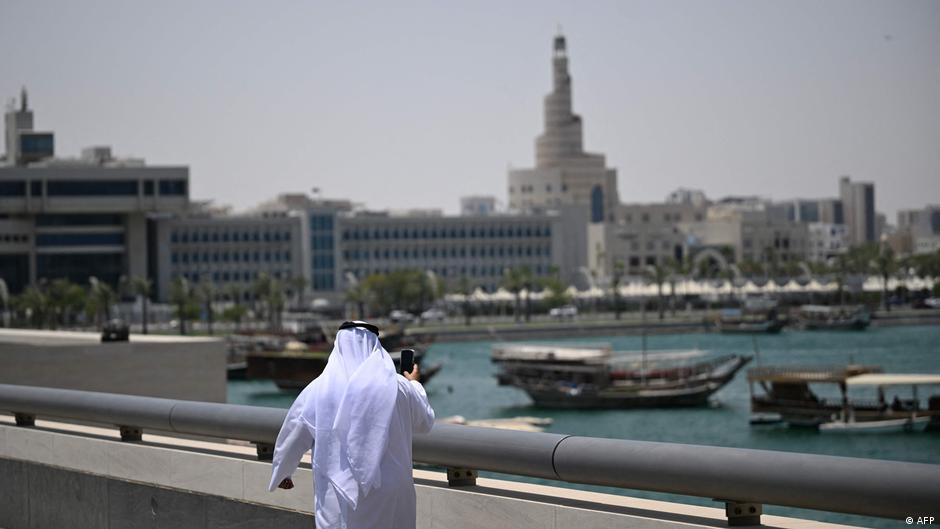
Recent reports from the region have highlighted the human cost of these tensions. In Qatar, local authorities reported that three individuals, including a minor, sustained injuries during Iranian attacks. These incidents underscore the high stakes for neighboring nations.
The Strategic Calculus of De-escalation
For Iran, the pursuit of de-escalation appears to be a maneuver designed to avoid a direct conflict with the United States.
Egypt and Qatar have jointly called for a formal resumption of negotiations between Iran and the U.S.
Looking Ahead to Regional Stability
The situation remains volatile. The international community is waiting for the next round of diplomatic meetings to assess the viability of the current de-escalation proposals.
For those tracking the situation, it is important to consult official statements for the most accurate updates on military movements and diplomatic progress. The coming weeks will likely determine whether these intermediaries can successfully avert a major escalation or if the region will face further instability. We encourage readers to share their thoughts and stay tuned to our ongoing coverage of these developments as more information becomes available.
Related reading