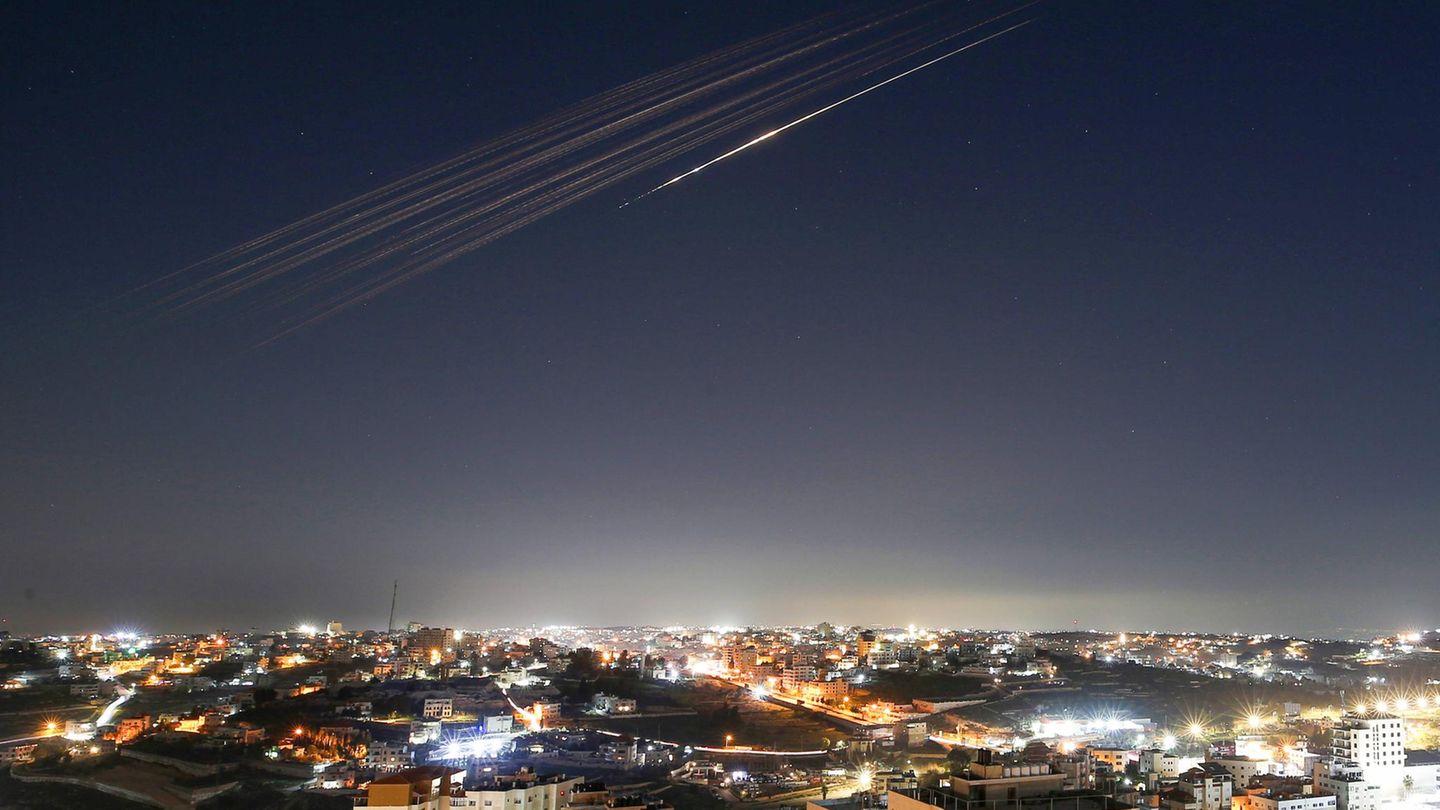
The escalating conflict between Israel and Iran is rapidly expanding in scope, drawing in neighboring nations and prompting heightened alert levels from NATO. Recent developments indicate a broadening of targets and a significant increase in regional tensions, with reports of Iranian attacks reaching Azerbaijan and a U.S. Submarine sinking an Iranian warship. As the fifth day of war unfolds, concerns mount over the potential for further escalation and the humanitarian consequences of the ongoing hostilities.
Defense Secretary Pete Hegseth has stated that the U.S. Is “accelerating, not decelerating” its military involvement in the conflict, with additional assets being deployed to the region. This commitment comes as strikes intensify, reaching as far as 1,000 miles from the initial conflict zone, encompassing locations in Turkey, Sri Lanka and Lebanon. The U.S. Military has reported sinking an Iranian warship in the Indian Ocean, a move that underscores the escalating nature of the confrontation. These actions are occurring alongside continued Israeli strikes targeting Tehran and Lebanon, further fueling the cycle of retaliation.
Expanding Targets and Regional Repercussions
The conflict is no longer confined to direct exchanges between Israel, and Iran. Azerbaijan has lodged a “strong protest” with Iran following what it describes as “drone attacks” on its territory. According to a statement released by Azerbaijan’s foreign ministry, one drone crashed into and damaged the terminal at Nakhchivan Airport, whereas another impacted near a school in the village of Shekarabad, injuring two civilians. Azerbaijan is demanding an explanation from Iran and reserves the right to take “appropriate retaliatory measures,” signaling a potential broadening of the conflict’s geographic reach. This incident highlights the risk of regional spillover and the potential for further destabilization.
Adding to the complexity, NATO defenses intercepted a ballistic missile fired from Iran, which had traversed Iraqi and Syrian airspace before entering Turkish territory. Tehran has denied launching the missile, but the incident prompted a swift response from NATO, demonstrating the alliance’s commitment to protecting its member states. WION reported on this incident, detailing Iran’s denial and NATO’s interception.
The Human Cost and Political Uncertainty
The human cost of the conflict is mounting. A U.S.-based organization reports that more than 1,000 civilians have been killed in Iran, including over 180 children. Six U.S. Troops have also been killed since the war began. These figures, while alarming, are subject to verification as access to information within the conflict zone remains limited. The Iranian regime has announced the postponement of Ayatollah Ali Khamenei’s three-day funeral, citing the escalating war as the reason. This decision underscores the gravity of the situation and the regime’s focus on managing the crisis.
Intelligence assessments suggest that Iran was on the verge of enriching uranium to 90%, weapons-grade levels, before the commencement of U.S. And Israeli strikes. However, officials indicate that Iran’s weaponization program remains some distance from producing a “classic nuclear bomb.” This revelation adds another layer of complexity to the conflict, highlighting the concerns that prompted the initial strikes and the potential for further escalation if Iran were to pursue nuclear weapons capabilities. The timing of these strikes, and the intelligence that informed them, are central to understanding the current crisis.
U.S. Strategy and Iranian Resilience
The U.S. Approach to the conflict, as articulated by Secretary Hegseth, is one of sustained and increasing pressure. He stated that the U.S. Is “accelerating, not decelerating” its war on Iran, signaling a long-term commitment to addressing perceived threats emanating from the country. CBS News reports that this strategy involves deploying more assets to the region as the conflict expands.
Despite the intensifying pressure, some analysts suggest that Iran possesses significant resilience. Reports indicate that Iran’s strength in this conflict lies in its endurance, suggesting a willingness to withstand prolonged military action. This assessment raises questions about the effectiveness of the current strategy and the potential for a protracted conflict. The ability of Iran to absorb and respond to attacks will be a key factor in determining the outcome of the war.
International Response and Future Outlook
The international community is closely monitoring the situation, with concerns growing over the potential for a wider regional war. NATO’s interception of the Iranian missile demonstrates a willingness to defend its member states, but the alliance’s role remains largely focused on defensive measures. The United Nations has called for de-escalation and a return to diplomatic solutions, but these efforts have so far been unsuccessful. The lack of a unified international response further complicates the situation and increases the risk of miscalculation.
The conflict’s impact extends beyond the immediate combat zones. Global energy markets are experiencing volatility, and concerns are rising about disruptions to shipping lanes in the Middle East. The humanitarian consequences of the war are also significant, with thousands of civilians displaced and in need of assistance. Addressing these challenges will require a coordinated international effort.
As the conflict enters its sixth day, the situation remains highly fluid and unpredictable. The next key development to watch will be the outcome of ongoing diplomatic efforts and any potential shifts in the military strategies of the involved parties. The postponement of Ayatollah Khamenei’s funeral could also provide insights into the regime’s assessment of the situation and its plans for the future. The world awaits further developments with growing apprehension.
Key Takeaways:
- The conflict between Israel and Iran is expanding, with attacks now targeting Azerbaijan and prompting a NATO response.
- The U.S. Is increasing its military involvement, signaling a long-term commitment to the conflict.
- The humanitarian cost of the war is rising, with over 1,000 civilian deaths reported in Iran.
- Iran appears to be demonstrating resilience, suggesting a willingness to withstand prolonged military action.
- The international community is calling for de-escalation, but a unified response remains elusive.
We encourage readers to share their thoughts and perspectives on this developing situation in the comments below. Stay informed with World Today Journal for continued coverage of this critical global event.
Keep reading
- Since you didn’t provide the content of the article, I cannot create a specific title. However, if the article is a general “Latest Updates” piece, the most perfect SEO title would be: Latest News and Updates: Everything You Need to Know Today
- RCS Mediagroup Corporate Information and Advertising Contacts