Iran Strikes Back: Cyber Infrastructure Targeted in Escalating Middle East Conflict
The conflict in the Middle East has taken a modern and alarming turn, extending beyond physical battlegrounds to target critical digital infrastructure. A recent series of drone attacks, attributed to Iran, has damaged several data centers belonging to Amazon Web Services (AWS) in the United Arab Emirates (UAE) and Bahrain. This marks a significant escalation, representing the first known instance of direct military targeting of major U.S. Technology infrastructure, and raises concerns about the vulnerability of the digital backbone supporting global commerce and security. The attacks are widely understood to be retaliation for a recent strike that killed a high-ranking Iranian military leader, escalating tensions between Iran, Israel, and the United States.
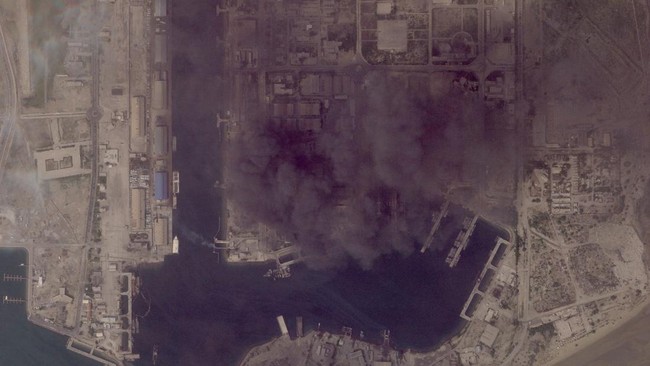
Amazon confirmed the damage in a statement released on Monday, March 2, 2026, detailing that two facilities in the UAE sustained direct hits, while a third in Bahrain was impacted by a drone in close proximity. According to AWS, the attacks caused structural damage, disrupted power supplies, and triggered fire suppression systems, resulting in water damage. The company warned that recovery efforts will be prolonged due to the extent of the physical harm. The disruption impacted approximately a dozen core AWS cloud services, forcing customers, including financial institutions, to shift operations to other regions.
This incident signals a shift in tactics, moving beyond traditional targets like oil refineries and pipelines to focus on the digital infrastructure that underpins modern economies. The Center for Strategic and International Studies (CSIS) previously warned that data centers and their supporting energy infrastructure are increasingly vulnerable and strategically crucial targets in modern conflicts. The attacks highlight the interconnectedness of physical and digital security, and the potential for disruption in a digitally reliant world.
The Growing Importance of the UAE as a Tech Hub
The UAE has been actively positioning itself as a regional hub for artificial intelligence (AI) and cloud computing, attracting significant investment from major U.S. Technology companies. Microsoft, for example, has pledged to invest up to $15 billion by 2029 to bolster data centers in the region, utilizing chips from Nvidia to enhance processing capabilities. This makes the UAE a particularly attractive, and now vulnerable, target in the escalating conflict. The attacks on AWS infrastructure underscore the risks associated with concentrating critical digital assets in geopolitically sensitive areas.
The disruption also rippled through the financial sector. Abu Dhabi Commercial Bank reported temporary outages of its mobile platforms and applications due to a regional IT disruption, though the bank did not directly attribute the issue to the AWS incident. This demonstrates the cascading effects that attacks on cloud infrastructure can have on essential services, even for organizations not directly targeted.
AWS Response and Recovery Efforts
Amazon Web Services is working to restore services, but the company anticipates a lengthy recovery period. The extent of the damage requires significant repairs and potentially the replacement of critical hardware. AWS has not provided a specific timeline for full restoration, but the company’s statement indicates that the impact will be felt for some time. Customers reliant on the affected AWS services have been advised to activate disaster recovery plans and migrate workloads to alternative regions.
The incident raises questions about the resilience of cloud infrastructure and the necessitate for robust cybersecurity measures to protect against state-sponsored attacks. While cloud providers invest heavily in security, the evolving nature of threats and the increasing sophistication of attackers require continuous adaptation and improvement. The attacks on AWS also highlight the importance of geographic diversification of data centers to mitigate the risk of regional disruptions.
Broader Implications for Global Cybersecurity
The targeting of data centers represents a worrying precedent, potentially opening a new front in cyber warfare. Experts warn that this could encourage other state and non-state actors to target critical infrastructure, leading to a further escalation of cyberattacks. The incident underscores the need for international cooperation to establish norms of behavior in cyberspace and deter malicious activity.
The attacks also raise concerns about the potential for data breaches and the compromise of sensitive information. While AWS has not reported any confirmed data breaches, the disruption could create vulnerabilities that could be exploited by attackers. Organizations that rely on cloud services must prioritize data security and implement robust data protection measures.
The Role of Iran and Regional Tensions
The attacks are widely seen as a direct response to a recent military action that resulted in the death of a prominent Iranian leader. While Iran has not officially claimed responsibility, the timing and nature of the attacks strongly suggest its involvement. The escalating tensions between Iran and its regional adversaries, particularly Israel and the United States, have created a volatile environment in the Middle East, increasing the risk of further conflict.
The attacks on AWS infrastructure represent a significant escalation in this conflict, demonstrating Iran’s willingness to target critical infrastructure in response to perceived provocations. This raises concerns about the potential for further retaliatory actions and the risk of a wider regional war. The situation remains fluid and unpredictable, requiring careful diplomacy and de-escalation efforts.
Looking Ahead: Increased Security Measures and Geopolitical Risk
The attacks on AWS data centers will likely prompt a reassessment of security measures for critical infrastructure worldwide. Cloud providers and organizations that rely on cloud services will need to invest in enhanced cybersecurity defenses, including improved threat detection, incident response capabilities, and data protection measures. Geographic diversification of data centers and the implementation of robust disaster recovery plans will also become increasingly important.
The incident also highlights the growing geopolitical risks associated with relying on cloud infrastructure located in volatile regions. Organizations may need to consider relocating data and applications to more stable jurisdictions to mitigate the risk of disruption. The attacks on AWS serve as a stark reminder that cybersecurity is not just a technical issue, but also a strategic one, with significant implications for national security and economic stability.
The situation remains dynamic, and further developments are expected in the coming days and weeks. The international community is closely monitoring the situation and urging all parties to exercise restraint and avoid further escalation. Continued vigilance and proactive security measures are essential to protect critical infrastructure and prevent future attacks.
As of March 3, 2026, AWS continues to work on restoring full functionality to its affected services. Further updates will be provided as they become available. Readers are encouraged to share their thoughts and perspectives on this developing situation in the comments below.
Keep reading