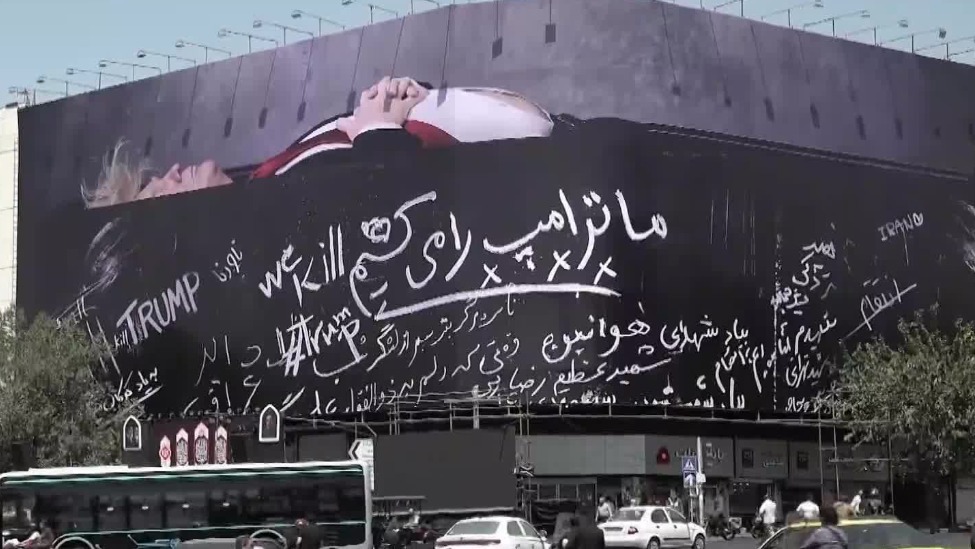
Rising geopolitical tensions between Tehran and Washington have reached a new peak, as Iranian officials formally declared that previous understandings regarding diplomatic protocols are no longer in effect. The Iranian government has officially communicated its position to the United Nations, alleging that the United States has committed 42 distinct violations of diplomatic memorandums, further straining a relationship already marked by years of sanctions and mutual distrust.
As the international community monitors these developments, the rhetoric from Tehran reflects a deepening sense of frustration. Iranian leadership has explicitly pointed to the United States as the primary party responsible for the current escalation, while maintaining that diplomatic channels, though strained, have not been entirely severed.
Diplomatic Memorandums and the Breakdown of Trust
The core of the current dispute centers on the status of existing diplomatic agreements between the two nations. Iranian officials have stated that the bilateral memorandums that previously governed certain aspects of their interaction are, in their view, no longer functional. This assessment follows a period of mounting friction over the enforcement of international agreements and the impact of long-standing economic measures.

In a formal communication addressed to the United Nations Secretary-General, the Iranian mission outlined a list of 42 specific instances where they allege the U.S. failed to adhere to the terms of these understandings. According to reports from the United Nations official records, such communications are utilized by member states to formalize grievances in the international arena, though the specific contents of these 42 points remain a subject of intense scrutiny by regional analysts.
Tehran’s Stance on U.S. Policy
Iranian officials, including members of the executive branch, have characterized the current U.S. policy as an expected continuation of a long-standing pattern of behavior. In recent public briefings, representatives from the Iranian government argued that the U.S. choice to deviate from established commitments was predictable, framing it as part of a broader strategy of pressure against the Islamic Republic.

Despite the high level of public criticism directed at former and current U.S. political figures, the Iranian Foreign Ministry has emphasized that active diplomatic efforts are still underway. The focus, according to these officials, remains on holding the U.S. accountable for what Tehran describes as the “direct responsibility” for the current regional instability. This narrative has been echoed across various domestic media outlets in Iran, which have increasingly focused on the role of past and present U.S. administrations in shaping the current stalemate.
Regional Implications and International Oversight
The escalation of rhetoric comes at a time when the Middle East faces significant security challenges. Analysts note that the breakdown of these memorandums could lead to a more volatile environment for maritime security and regional diplomatic engagement. The reliance on the United Nations as a mediator suggests that both parties are aware of the risks involved in a total collapse of communication, even as they trade public accusations.
For the international community, the primary concern remains the potential for miscalculation. As the U.S. and Iran continue to navigate this impasse, the lack of a clear, working framework for de-escalation increases the likelihood of localized incidents. The U.S. State Department has historically maintained that its actions are intended to curb regional destabilization, a claim that remains fundamentally at odds with the Iranian perspective.
What Happens Next?
The next phase of this diplomatic standoff will likely unfold within the halls of the United Nations. Observers are waiting to see if the Secretary-General’s office will issue a formal response to the list of 42 grievances submitted by Tehran. Additionally, international observers will be watching for any shift in the enforcement of sanctions, which remains the primary tool of U.S. influence in the region.

While the immediate future appears dominated by hardened positions, the continuation of “diplomatic efforts” mentioned by the Iranian side suggests that behind-the-scenes discussions may still offer a path, however narrow, toward stabilizing the current situation. We will continue to track these developments as official statements are released by the involved parties.
What are your thoughts on the current state of U.S.-Iran relations? Share this report and join the conversation below.
Keep reading