
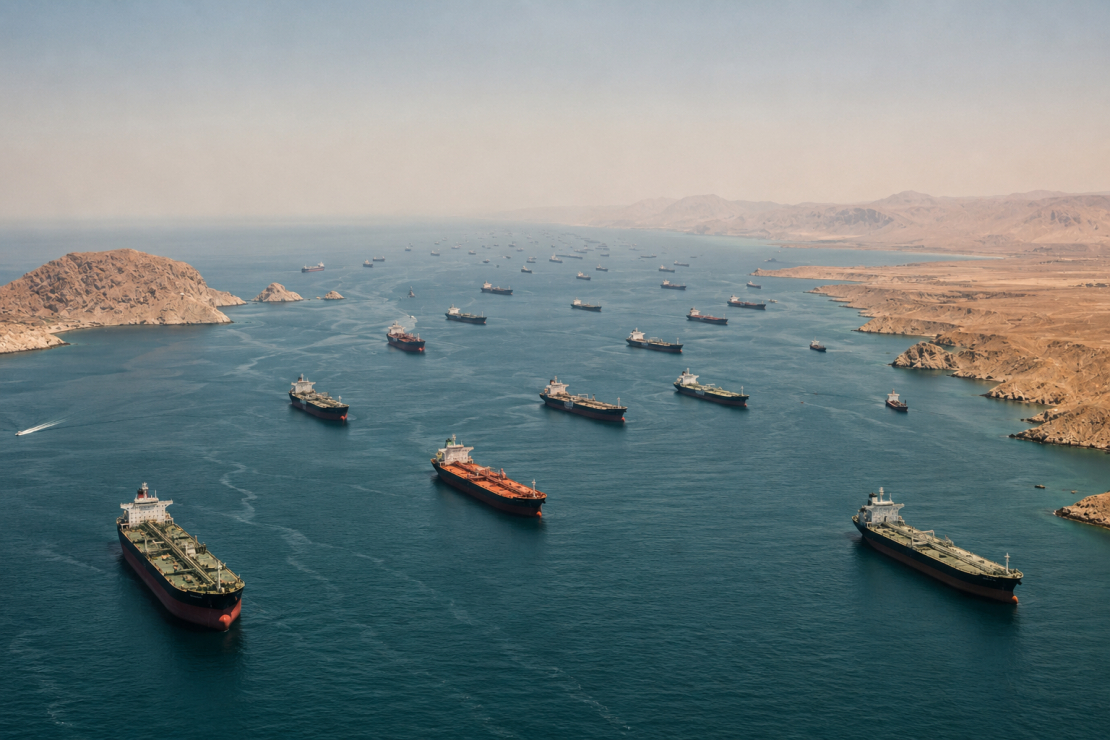
The Strait of Hormuz, a critical maritime chokepoint through which approximately 20% of the world’s total oil consumption passes, remains a focal point of international geopolitical tension. While reports occasionally emerge regarding the closure of this vital passage, maritime security analysts and energy regulators consistently monitor the region for genuine disruptions to global trade, as any actual restriction of the waterway would have immediate consequences for international energy markets and regional security stability, according to the U.S. Energy Information Administration.
Recent speculation concerning the status of the strait has coincided with renewed diplomatic efforts between Tehran and Washington. Reports of potential high-level discussions in Switzerland suggest that the two nations are exploring avenues to address long-standing disagreements, including the status of Iran’s nuclear program. These diplomatic maneuvers occur against a backdrop of fluctuating global oil prices, which remain highly sensitive to any perceived instability in the Persian Gulf, as noted by market observers at Reuters.
Geopolitical Significance of the Strait
The Strait of Hormuz is a narrow passage between Oman and Iran that serves as the only sea route from the Persian Gulf to the open ocean. Because of its strategic importance, the U.S. Navy’s Fifth Fleet, based in Bahrain, maintains a constant presence in the region to ensure the freedom of navigation for commercial vessels, a principle upheld under international law and the United Nations Convention on the Law of the Sea, as outlined by the U.S. Department of State.
Any actual closure of the strait would be a significant escalation, as it would effectively halt the transit of millions of barrels of crude oil and liquefied natural gas (LNG) daily. Historically, threats to close the waterway have been used as diplomatic leverage by Iranian officials during periods of heightened sanctions or military posturing. However, maritime tracking data from services such as MarineTraffic and official updates from the U.S. Central Command rarely confirm complete closures, as such an act would likely trigger a severe international response.
The Diplomatic Context in Switzerland
Diplomatic channels between the United States and Iran have frequently utilized neutral intermediaries, with Switzerland often playing a primary role in hosting exploratory talks. The current discourse surrounding potential negotiations reflects a recurring pattern in bilateral relations, where periods of intense rhetoric are occasionally punctuated by back-channel communications aimed at de-escalation, according to reports from the Swiss Broadcasting Corporation.
These discussions, when they occur, typically focus on the Joint Comprehensive Plan of Action (JCPOA) framework or regional security guarantees. The complexity of these negotiations is compounded by the differing domestic political pressures in both Tehran and Washington. Analysts from the International Crisis Group emphasize that while dialogue is essential for preventing miscalculation, reaching a durable agreement remains a protracted process given the deep-seated mistrust between the two governments.
Market Reactions and Energy Security
Global oil markets exhibit immediate volatility whenever reports of “closures” or significant military activity in the Gulf surface. Prices often spike on news of potential supply disruptions, only to settle once the reality of the maritime situation is clarified by shipping authorities and regional governments. The International Energy Agency tracks these market reactions closely, noting that the threat of disruption is often as impactful on price as an actual physical blockage of the strait.
For global consumers, the stability of the Strait of Hormuz is synonymous with energy affordability. Diversification of energy sources and the development of alternative pipelines, such as those utilized by Saudi Arabia and the United Arab Emirates to bypass the strait, are long-term strategies intended to mitigate the risk of a total dependency on this single maritime corridor, as documented in studies by the Center for Strategic and International Studies.
Looking Ahead
The next phase of U.S.-Iran relations remains tied to the success of potential diplomatic sessions in Europe and the adherence of all parties to established maritime protocols. Observers are currently awaiting official statements from the Swiss Federal Department of Foreign Affairs regarding the scheduling of future talks or the outcome of recent meetings. Those interested in the current status of maritime traffic in the region can consult real-time updates from the United Kingdom Maritime Trade Operations (UKMTO), which provides the most reliable information on safety incidents and transit disruptions for commercial shipping.
We welcome your perspectives on these developments in the comments section below. For ongoing coverage of international security and energy policy, stay tuned to our World section.