
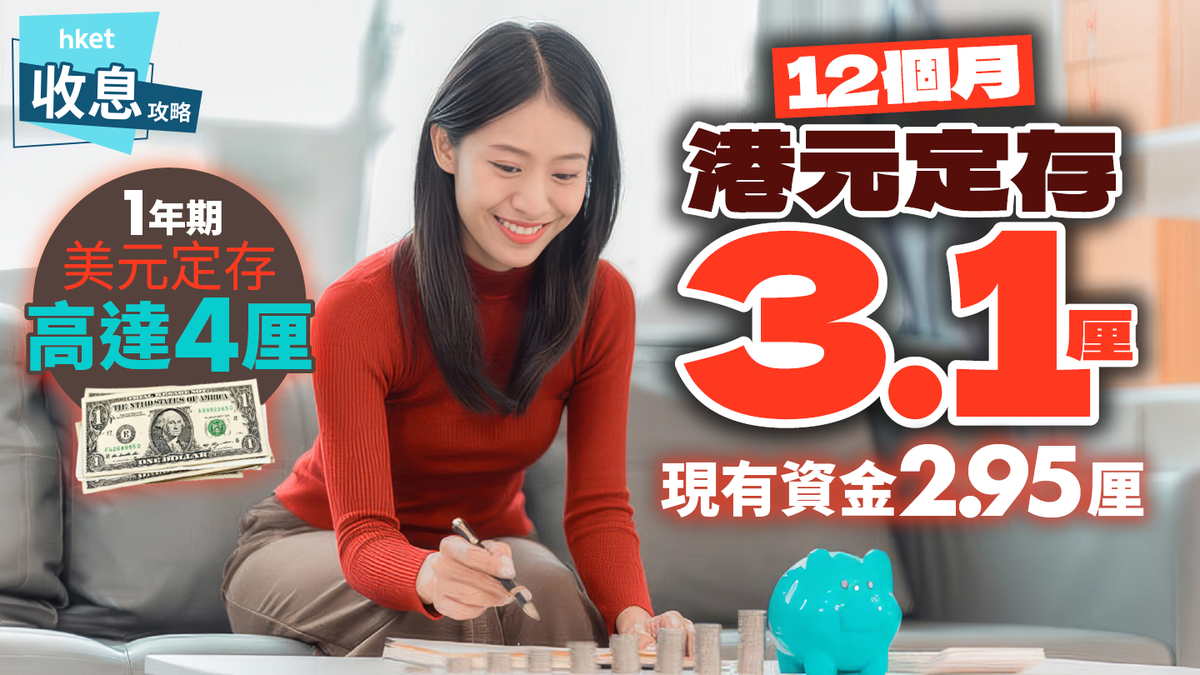
Hong Kong banks have intensified their competition for liquidity, with several institutions raising interest rates on Hong Kong dollar (HKD) fixed deposits to attract both new and existing capital. As of June 2024, some virtual and commercial banks are offering rates as high as 3.1% per annum for 12-month tenors, marking a competitive shift in the local retail banking sector as lenders move to secure long-term deposits amid a high-interest-rate environment.
The current landscape for savers is defined by a divergence in strategy between traditional “note-issuing” banks and digital-only lenders. While virtual banks have aggressively marketed headline-grabbing rates to capture market share, traditional institutions have also adjusted their pricing during the Dragon Boat Festival period, reflecting a broader effort to manage net interest margins while meeting liquidity coverage requirements set by the Hong Kong Monetary Authority (HKMA).
Understanding the Current Deposit Rate Landscape
The search for high-yield, low-risk returns has led many depositors to look beyond standard savings accounts. According to market data, the 3.1% threshold for 12-month deposits represents the upper echelon of current retail offerings. These rates are often contingent on specific conditions, such as “new fund” requirements, where customers must deposit fresh capital that was not previously held within the same banking group.
However, some institutions have begun offering competitive rates to existing customers as well, attempting to prevent capital flight to competitors. For instance, certain banks are now offering 3% rates on 8-month or 12-month terms, even for existing funds, signaling that banks are prioritizing the retention of large-balance clients. This shift is notable because it reduces the barrier to entry for depositors who do not wish to move money between multiple accounts.
Comparing Virtual Banks and Traditional Lenders
The competition is currently split between two distinct banking models. Virtual banks, which operate without physical branches, have historically used high deposit rates as a primary vehicle for customer acquisition. By minimizing overhead costs, these entities can afford to offer rates that occasionally exceed those provided by the major note-issuing banks.
Conversely, traditional banks are leveraging their extensive branch networks and comprehensive service offerings to maintain their deposit base. While their peak rates may sit slightly below the absolute maximums seen in the virtual sector, they often bundle these offers with wealth management services or credit card incentives. The HKMA interest rate statistics provide a baseline for understanding how these retail rates correlate with the broader interbank market, specifically the HIBOR (Hong Kong Interbank Offered Rate), which serves as a benchmark for local funding costs.
Strategic Considerations for Depositors
For individuals looking to lock in these rates, there are several factors to consider beyond the advertised percentage. First, the distinction between “new” and “existing” funds is critical. Banks frequently use tiered interest rates where the highest yield is only applied to a specific portion of the deposit or is valid only for a limited promotion period.
Second, the liquidity of the funds must be balanced against the duration of the fixed deposit. A 12-month commitment offers a guaranteed return but locks capital away; if a depositor needs to withdraw funds prematurely, they may face significant interest penalties or the forfeiture of the accrued interest. Finally, depositors should verify if the bank is a member of the Hong Kong Deposit Protection Scheme (DPS), which provides coverage for deposits up to HK$500,000 per depositor per bank.
What Happens Next in the Banking Sector
The trajectory of deposit rates in Hong Kong remains closely tied to the monetary policy decisions of the U.S. Federal Reserve. Because the Hong Kong dollar is pegged to the U.S. dollar under the Linked Exchange Rate System, local interest rates are heavily influenced by the federal funds rate. As long as the U.S. maintains a high-interest-rate environment, Hong Kong banks are likely to maintain competitive deposit products to keep the HKD attractive relative to the USD.
Market observers will be watching the next round of interest rate announcements, particularly from the major note-issuing banks, to see if the current “war” for deposits continues into the second half of the year. Depositors are encouraged to monitor their bank’s official websites and the HKMA’s public disclosures for the most accurate and up-to-date information regarding rate changes.
Readers are invited to share their experiences with current deposit promotions or ask questions in the comments section below to help our community stay informed on the latest financial developments.