
New evidence suggests that Iranian drone strikes targeting civilian infrastructure in Bahrain and Saudi Arabia may constitute war crimes, according to a recent investigation by Amnesty International. The report details two specific incidents in March 2026 involving the likely use of Shahed drones, which resulted in at least four civilian deaths and 12 injuries. These attacks are part of a broader pattern of regional violence that has claimed the lives of at least 28 civilians across Gulf Cooperation Council (GCC) nations since late February 2026, as verified by monitoring groups.
The conflict, which escalated following military strikes against Iran on February 28, 2026, has significantly impacted civilian safety across the Middle East. International humanitarian law mandates that all parties to a conflict must distinguish between military objectives and civilian objects. The use of explosive weapons like drones in populated or civilian-designated areas without clear military justification raises serious questions regarding compliance with these legal standards. While the governments of Bahrain and Saudi Arabia have not publicly responded to requests for comment regarding the specific impact of these strikes, the humanitarian consequences for the affected migrant workforce and civilian populations remain a primary focus for human rights organizations.
The March 2026 Attacks on Civilian Infrastructure
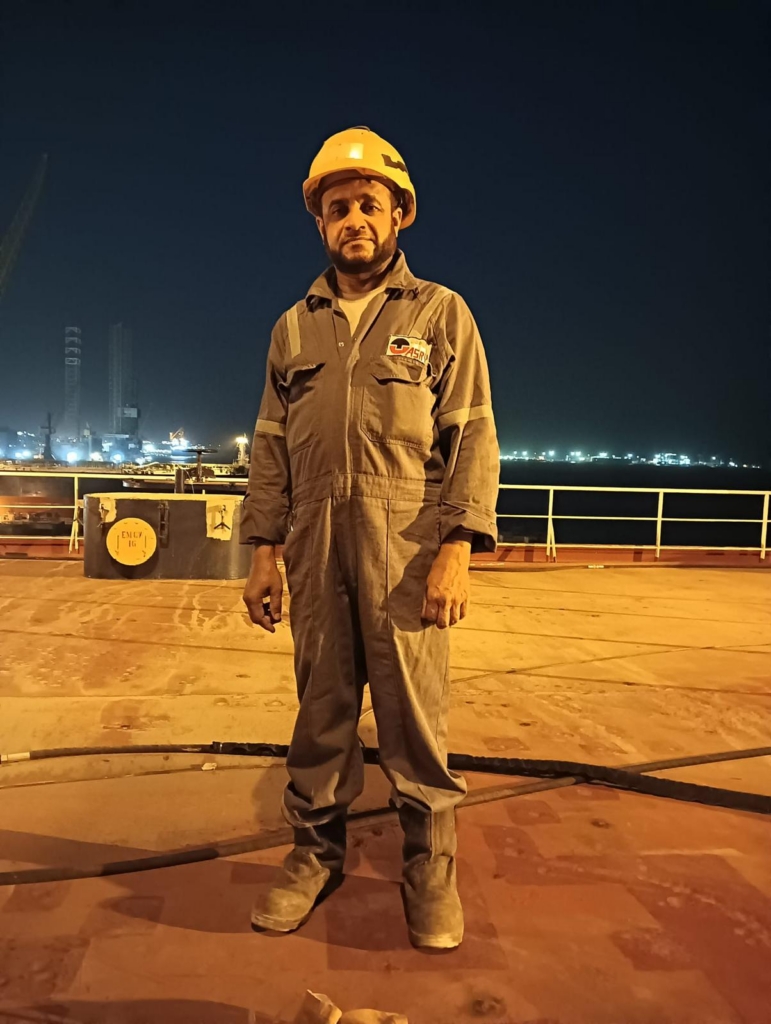
On March 2, 2026, an oil tanker, the MT Stena Imperative, was struck while in dry dock at the Arab Shipbuilding and Repair Yard in Al Hidd, Bahrain. The vessel, owned by Swedish firm Stena Bulk, was undergoing repairs at the time. Evidence collected, including photographic analysis and fragment patterns consistent with Shahed-series munitions, indicates the strike was likely conducted by Iranian forces. The attack resulted in the death of SM Tareq, a Bangladeshi national working at the facility, and left two others seriously injured.


A second incident occurred on March 8, 2026, at a labour camp in Al Kharj, Saudi Arabia. Three men, including two Bangladeshi nationals identified as Musharaff Hussain and Abdullah Mamun, were killed when a munition struck the site. Witnesses reported that the victims were preparing for the evening meal during the month of Ramadan when the strike occurred. While some reports from the Islamic Revolutionary Guard Corps suggested radar facilities were the intended targets, the camp—located approximately 15 kilometers from the Prince Sultan Air Base—sustained direct damage. Under the Geneva Conventions, parties to a conflict are required to take all feasible precautions to avoid incidental loss of civilian life; failure to do so, or the conduct of indiscriminate attacks, can be classified as a war crime.
Regional Impact and Human Rights Concerns
The escalation of drone and missile activity across the GCC has created a precarious environment for civilians, particularly migrant workers who make up a significant portion of the labor force in Gulf states. Reports indicate that infrastructure critical to regional economies and public services, including water plants and liquid natural gas facilities, have also been targeted or damaged by falling debris from intercepted munitions. The psychological and physical toll on these populations is documented in interviews with witnesses from Qatar, the UAE, and Kuwait, who describe the constant threat of aerial strikes.
Beyond the immediate physical danger, the conflict has prompted restrictive measures from state authorities. Since the initiation of hostilities in February 2026, over 1,000 individuals have been arrested across various Gulf states for activities related to the conflict, including the sharing of information or opinions on social media. These crackdowns have created an atmosphere of fear, with many foreign workers expressing reluctance to report incidents or speak openly about the strikes due to the threat of deportation. This suppression of information complicates efforts to document the full humanitarian impact of the ongoing regional conflict.
Legal Obligations and Accountability
International humanitarian law, specifically the principles of distinction and proportionality, governs the conduct of military operations. Direct attacks on civilians or civilian infrastructure, as well as indiscriminate attacks that fail to distinguish between military and civilian targets, are prohibited. The documentation of these incidents serves as a basis for potential future investigations into war crimes. As of June 2026, the global toll of the conflict—which includes the deaths of at least 2,362 civilians in Iran during the initial February-to-April period of hostilities—highlights the devastating cost of the regional escalation.

Accountability remains a significant hurdle. Amnesty International has formally requested information from the Iranian authorities regarding the documented attacks as of June 3, 2026, but has reported receiving no response. The lack of transparency from all state actors involved in the conflict hinders the ability of victims to seek justice, truth, or reparations. For those affected, the path to legal recourse remains uncertain as regional tensions persist and military operations continue to impact civilian life across the Middle East.
Future updates regarding these investigations and any potential legal proceedings will depend on continued international monitoring and the willingness of regional governments to cooperate with human rights inquiries. Readers are encouraged to follow official updates from international human rights monitors and regional government press offices for the latest developments in this ongoing situation.