As international tensions in the Middle East reach a critical juncture, the complex diplomatic dance between Washington and Tehran has entered a volatile new phase. Recent reports confirm that the U.S. Military has engaged in direct military interactions with Iranian assets, including the downing of four one-way attack drones near the Strait of Hormuz and retaliatory strikes against radar installations on Qeshm Island and in Goruk, as reported by U.S. Central Command.
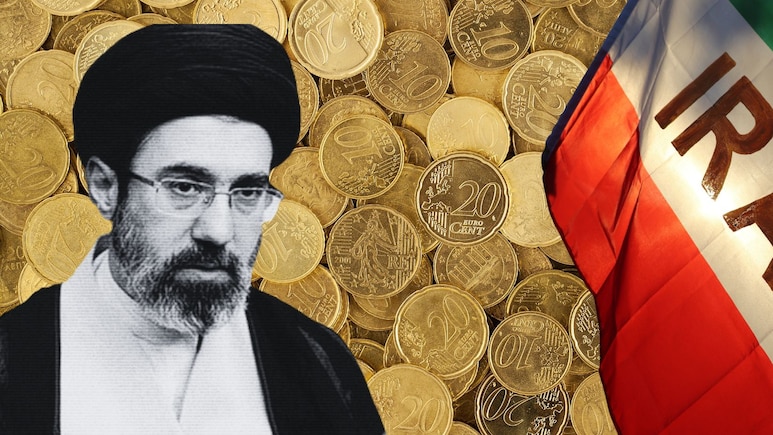
At the center of this escalating crisis is a stalled peace process, with Iranian officials reportedly demanding the unfreezing of significant financial assets as a prerequisite for any meaningful de-escalation. This development places the current U.S. Administration in a precarious political position, balancing the urgency of regional stability against the domestic political costs of engaging with a state currently involved in active military exchanges with American forces.
The situation remains fluid as both nations navigate what some observers describe as a total deadlock in negotiations. While the White House continues to monitor the security environment, the Iranian government has signaled that the path to a broader peace agreement is inextricably linked to the resolution of these frozen financial holdings, a demand that has become a central point of contention in the current geopolitical standoff.
The Military and Diplomatic Deadlock
The operational landscape is currently defined by a series of high-stakes provocations and responses. Beyond the drone interceptions, U.S. Central Command reported that seven ballistic missiles were fired toward Kuwait and Bahrain, most of which were intercepted. These events have further complicated the already strained efforts to establish a lasting ceasefire in the region. As noted by Al Jazeera, the ongoing hostilities between Israel and Hezbollah continue to serve as a significant barrier, with Tehran insisting that these regional conflicts must be addressed before any bilateral U.S.-Iran agreement can be finalized.

The diplomatic stalemate is further evidenced by comments from Iranian officials, who have publicly stated that the current impasse is a matter for the U.S. To resolve. This “ball is in their court” rhetoric underscores the lack of direct, productive communication between the two powers. The friction extends beyond military and economic spheres into cultural and logistical areas; recent reports indicate that 15 members of the Iranian delegation to the 2026 World Cup were denied entry visas by the United States, a move the Iranian soccer federation has vowed to challenge through FIFA.
Understanding the Financial Demands
The core of the Iranian demand centers on the release of billions of dollars in assets that have been frozen under various international and unilateral sanctions. For the Iranian government, these funds are viewed as a necessary lever for domestic stability. However, for the U.S. Administration, releasing these assets is fraught with political risk. Critics of such a move argue that providing liquidity to Tehran could be perceived as rewarding aggressive behavior, particularly while Iranian-backed groups remain active in regional conflicts.
The economic pressure on Iran is significant. Recent data suggests that the country is grappling with severe inflation, which has reached its highest level since World War II, exacerbating the humanitarian situation for millions of citizens. This internal economic strain is likely driving the urgency of Tehran’s demand for the unfreezing of these assets, as the government faces mounting pressure to address the cost of living and provide basic resources to its population.
The Road Ahead: What to Watch
As of June 6, 2026, the situation remains highly volatile. The primary question for observers is whether the current cycle of military strikes and diplomatic posturing will force a breakthrough or lead to a further descent into open conflict. The international community is closely watching for any signs of a shift in the U.S. Stance regarding the frozen assets, as well as any progress in the broader regional ceasefire talks.
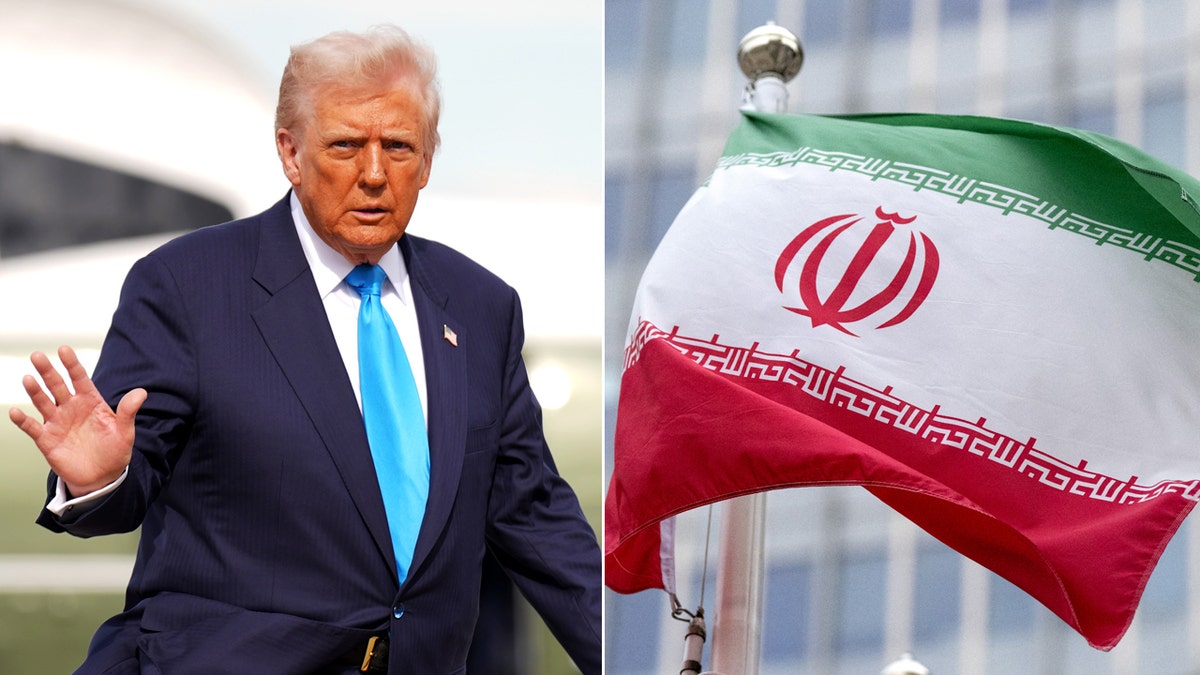
Key indicators to track in the coming days include:
- Official statements from the U.S. State Department regarding the status of diplomatic channels with Tehran.
- Updates from the Iranian soccer federation regarding their appeal to FIFA over the visa denials.
- Any further reports from U.S. Central Command concerning the security of the Strait of Hormuz and the status of regional radar sites.
While the prospect of a negotiated settlement currently seems distant, the reality of the situation—characterized by direct military friction and deep-seated economic grievances—necessitates a high level of diplomatic vigilance. We will continue to provide updates as official information becomes available. We encourage our readers to share their perspectives on these developments in the comments section below.
- Entenda as regras do TSE para vídeos e imagens com IA nas eleições – CNN Brasil
- Live New York City FC – Chicago Fire FC – MLS: Punteggi & Highlights Calcio – Eurosport
- Iran War and Tariffs: New Risks for the U.S. and Global Economy (archynewsy.com)
- US Iran Allies Unite in Global Conflict Declaration (world-today-news.com)