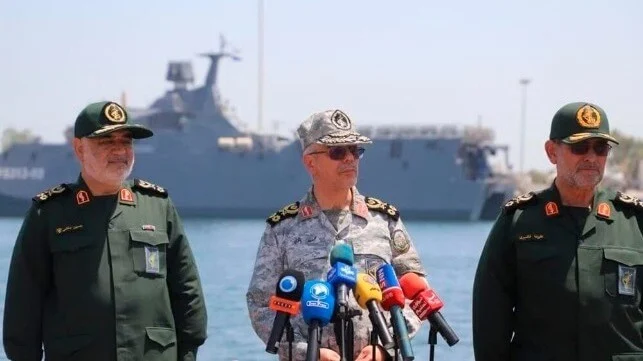
The global energy market is breathing a sigh of relief as the United States and Iran have reached a critical agreement to stabilize one of the world’s most volatile maritime chokepoints. The two nations have agreed to a two-week ceasefire intended to reopen the Strait of Hormuz, a narrow waterway that serves as a primary artery for global oil shipments.
This diplomatic breakthrough comes at a time of heightened anxiety over potential energy crises. By establishing a temporary truce, the agreement aims to reduce the immediate risk of naval confrontations and ensure that commercial shipping can resume its normal flow through the region without the threat of escalation.
The strategic importance of the Strait of Hormuz cannot be overstated, as any prolonged closure or disruption typically triggers immediate spikes in global crude oil prices. The current agreement is seen as a vital step in easing these fears and providing a window for further diplomatic engagement between Washington and Tehran.
Stabilizing the Strait of Hormuz: The Terms of the Truce
The core of the agreement is a two-week ceasefire agreed upon by the US and Iran, which is specifically designed to open the Strait of Hormuz to commercial traffic. This move is intended to prevent a full-scale energy crisis by ensuring that tankers can transport oil and gas safely through the corridor.
The ceasefire acts as a cooling-off period, reducing the likelihood of accidental skirmishes between naval forces. For the international community, this temporary pause is a critical mechanism to prevent the volatility of the Middle East from spilling over into a global economic shock, as the ease of shipping through the strait is directly tied to global energy price stability.
International Reactions and the Role of Japan
The international community has reacted with cautious optimism to the news. Japan, a nation heavily dependent on oil imports from the Gulf region, has taken a proactive stance in ensuring the longevity of this stability. The Japanese Prime Minister has urged Iran to secure shipping in the Strait of Hormuz following the ceasefire, emphasizing the need for guaranteed safe passage for commercial vessels to maintain the flow of energy.
Japan’s involvement highlights the global nature of the crisis; the Strait is not merely a regional concern but a linchpin of the global economy. The call for Iran to maintain secure shipping lanes underscores the fragility of the ceasefire and the necessity of continued adherence to the terms to avoid a return to hostilities.
Mitigating the Global Energy Crisis
The primary driver behind the urgency of this ceasefire was the looming threat of a severe energy crisis. Market analysts and governments worldwide had expressed growing concern that any permanent or long-term blockage of the Strait of Hormuz would lead to an unprecedented surge in oil prices, affecting everything from transportation costs to consumer goods.
According to reports from Bloomberg, the agreement between the US and Iran has significantly eased these fears, providing a temporary reprieve for energy markets that had been bracing for a potential shutdown of the waterway.
Why the Strait of Hormuz Matters
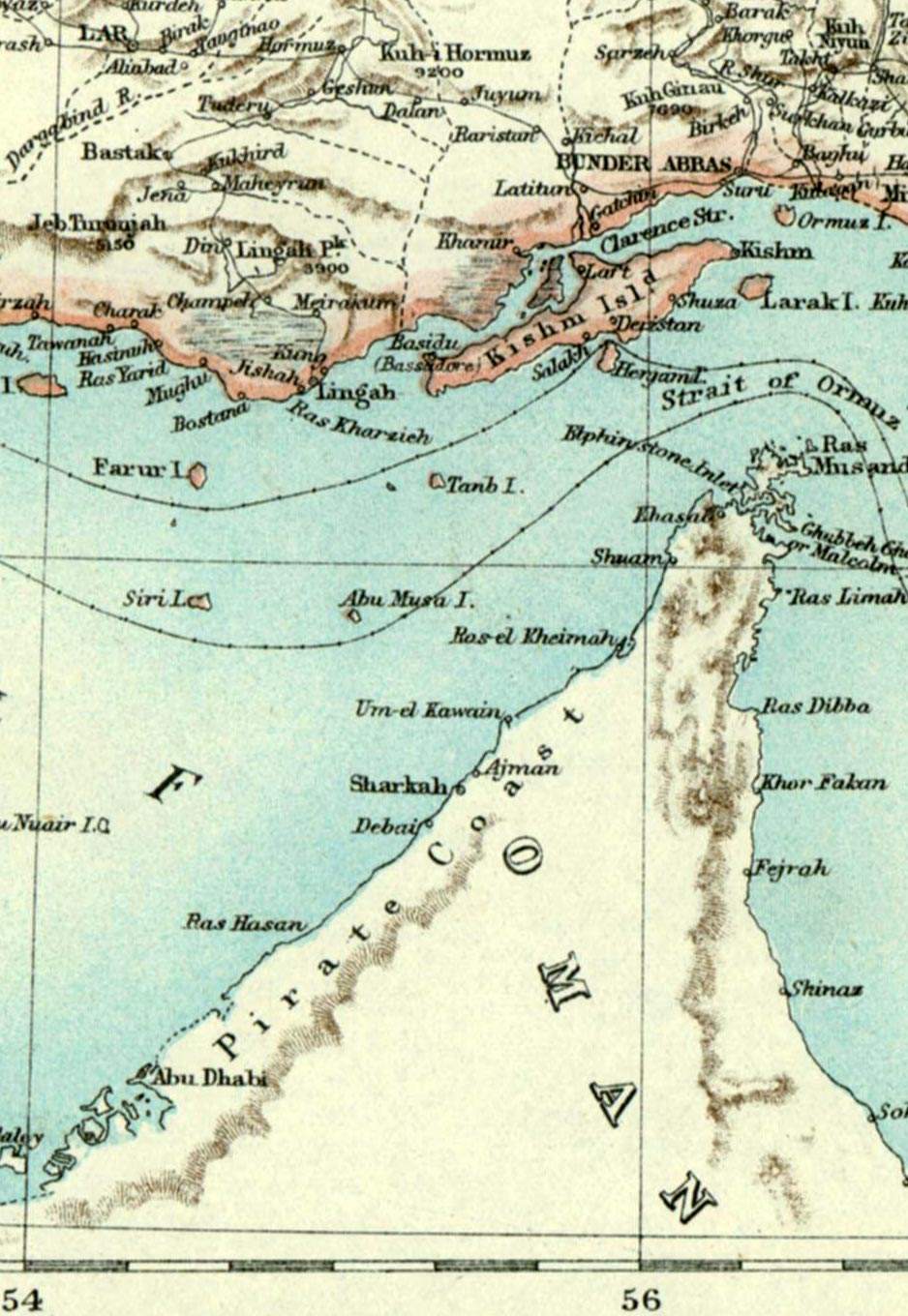
To understand the gravity of this ceasefire, one must understand the geography of the Strait. It is the only way for oil from Saudi Arabia, Kuwait, the UAE, and Iraq to reach the open ocean via the Persian Gulf. Because You’ll see very few viable alternatives for transporting such massive volumes of crude oil, the strait is often described as the world’s most important oil chokepoint.
When tensions rise between the US and Iran, the threat of closing the strait is often used as a geopolitical lever. The current two-week agreement is a strategic attempt to remove that lever from the immediate equation, allowing for a period of stability while diplomatic channels are explored.
Key Takeaways of the Ceasefire
- Duration: The ceasefire is set for a period of two weeks.
- Primary Goal: To reopen the Strait of Hormuz and ensure the safe passage of commercial shipping.
- Economic Impact: The agreement has eased global fears of a sudden energy crisis and oil price spikes.
- Diplomatic Pressure: Third-party nations, such as Japan, are actively urging Iran to maintain the security of shipping lanes to ensure global energy stability.
The next critical checkpoint will be the conclusion of the two-week ceasefire period, at which point the international community will look for indications of whether the truce will be extended or if diplomatic efforts have led to a more permanent resolution regarding the security of the Strait of Hormuz.
We invite our readers to share their perspectives on this development in the comments below. How do you believe this temporary truce will affect global energy stability?
Keep reading