Sofia, Bulgaria – Amidst escalating tensions in the Middle East, Iranian Foreign Minister Abbas Araghchi has delivered a firm message regarding potential negotiations with the United States, signaling a significant cooling in diplomatic prospects. Araghchi’s statements, made to American media outlets, come after a period of indirect talks and following a recent incident involving a U.S. Central Command (CENTCOM) strike on an Iranian facility. The situation is further complicated by the recent appointment of Mostafa Hamaney as Iran’s new leader, leaving the international community to assess the potential shift in the country’s foreign policy direction. The core issue remains the ongoing cycle of attacks and counter-attacks, and the increasingly slim possibility of a return to the negotiating table.
Araghchi asserted that Washington’s actions contradict previous assurances, recalling February discussions where U.S. Officials reportedly denied any intention of launching attacks against Iran. Despite these assurances, the U.S. Subsequently carried out strikes within Iranian territory, undermining trust and fueling skepticism about the sincerity of American diplomatic efforts. This perceived betrayal has significantly hardened Iran’s stance, making a resumption of talks increasingly unlikely. The foreign minister’s comments reflect a growing frustration within the Iranian government regarding what it views as a pattern of broken promises and aggressive behavior from the United States. This situation is unfolding against a backdrop of regional instability and concerns about the potential for wider conflict.
New Leadership, Uncertain Future
The recent transition of power in Iran, with Mostafa Hamaney assuming the leadership role, has added another layer of complexity to the geopolitical landscape. While Araghchi acknowledged that Hamaney’s appointment signals both continuity and a degree of stability, he indicated that the new leader has yet to publicly comment on the possibility of renewed negotiations with the U.S. According to TRT Haber, Araghchi stated, “We are all waiting for his speeches and comments, these will come later.” This cautious approach suggests a deliberate strategy of observing and assessing the situation before committing to any specific course of action. The international community is closely watching for signals from Hamaney that could indicate a potential shift in Iran’s foreign policy priorities.
Araghchi emphasized that, at present, the prospect of engaging in discussions with the U.S. Is not on Iran’s agenda. He cited a “bitter experience” with past negotiations, suggesting a deep-seated distrust of American intentions. This sentiment underscores the challenges facing any future attempts to revive diplomatic relations between the two countries. The Iranian foreign minister’s remarks signal a clear rejection of the idea that talks can simply resume as if the recent events had not occurred. The lack of trust, coupled with the perceived aggression from the U.S., has created a significant obstacle to any meaningful dialogue.
Escalating Rhetoric and Regional Concerns
The Iranian Foreign Minister did not shy away from condemning the attacks carried out by the U.S. And Israel, characterizing them as “completely illegal acts of aggression.” He too addressed concerns about the safety of oil tankers traversing the Strait of Hormuz, assuring that Iran has not blocked the vital waterway. As reported by Dünya, Araghchi stated, “We did not close the Strait. We are not preventing them from passing through it.” However, he issued a stark warning regarding potential retaliation should Iran be attacked again, stating that Iranian forces would target U.S. Assets in the region, potentially escalating the conflict. This statement underscores the high stakes involved and the potential for a wider regional war.
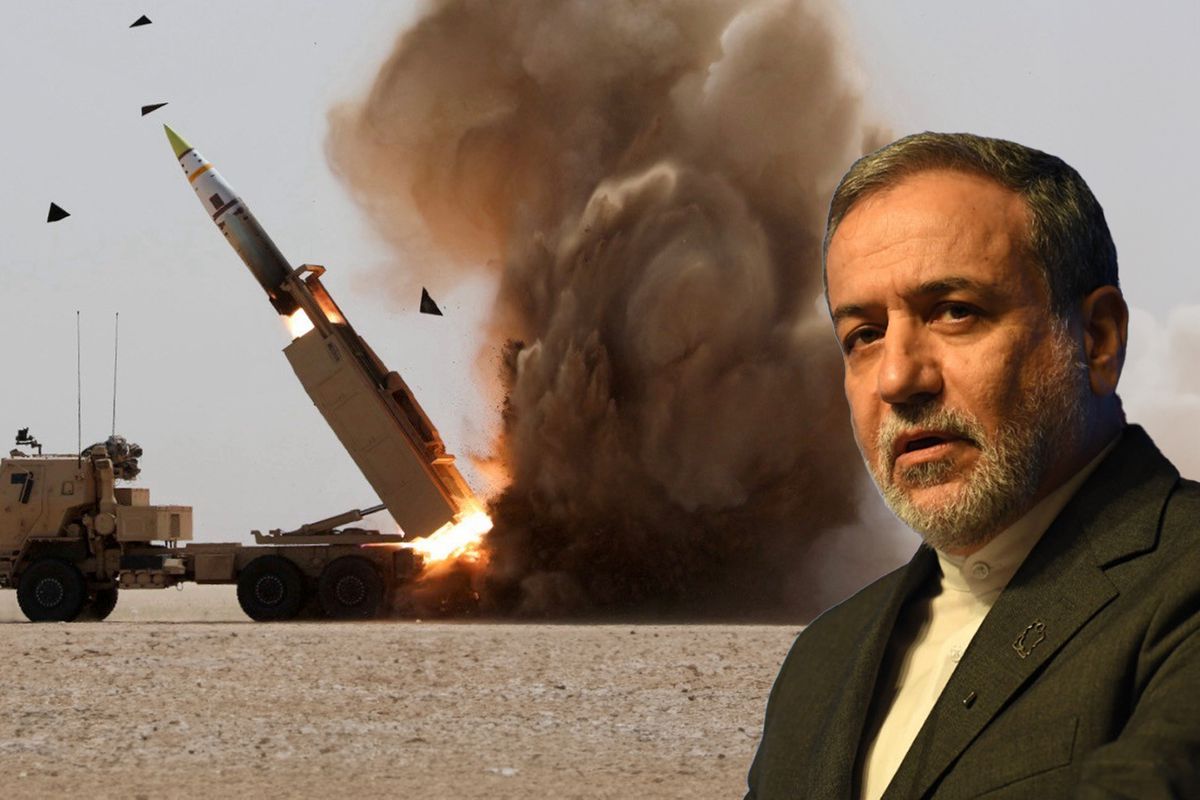
The situation took a particularly pointed turn when Araghchi responded to a boastful post by CENTCOM celebrating the precision of its HIMARS missile strikes against an Iranian saltwater purification plant in Bahrain. CENTCOM had touted its “unrivaled deep-strike capability” against Iran. In a move widely interpreted as sarcasm, Araghchi publicly thanked CENTCOM on social media for “confessing” to using neighboring countries’ territory to launch attacks against Iran. He further stated that if Iranian missiles were to destroy these systems, “no one should complain.” This exchange highlights the escalating rhetoric and the increasingly confrontational tone between the two nations. The incident involving the saltwater purification plant raises concerns about the targeting of civilian infrastructure and the potential humanitarian consequences of the conflict.
Hürmüz Strait and Regional Stability
The security of the Strait of Hormuz, a critical chokepoint for global oil supplies, remains a significant concern. Araghchi’s assertion that Iran has not closed the strait is an attempt to alleviate fears of disruption to international trade. However, the potential for escalation and miscalculation remains high. The U.S. And its allies have repeatedly accused Iran of interfering with maritime traffic in the region, while Iran maintains that its actions are solely defensive. The situation is further complicated by the presence of various naval forces in the area, increasing the risk of accidental clashes. Maintaining stability in the Strait of Hormuz is crucial for ensuring the uninterrupted flow of energy supplies to global markets.
The broader implications of the escalating tensions extend beyond the immediate region. A wider conflict could have devastating consequences for global energy prices, international trade, and regional stability. The U.S. And its allies are seeking to de-escalate the situation through diplomatic channels, but the prospects for success appear increasingly dim. The Iranian government, meanwhile, is signaling its determination to defend its interests and retaliate against any further attacks. The international community is urging both sides to exercise restraint and engage in constructive dialogue to prevent a catastrophic escalation of the conflict. The current situation demands careful diplomacy and a commitment to finding a peaceful resolution.
Key Takeaways
- Negotiations Unlikely: Iranian Foreign Minister Abbas Araghchi has indicated that talks with the U.S. Are currently not on the agenda, citing a lack of trust and a history of broken promises.
- New Leadership: The recent appointment of Mostafa Hamaney as Iran’s new leader adds uncertainty to the situation, as his stance on negotiations remains unknown.
- Escalating Rhetoric: The exchange between Araghchi and U.S. Central Command demonstrates a significant escalation in rhetoric and a hardening of positions.
- Strait of Hormuz: Iran maintains it has not closed the Strait of Hormuz, but the potential for disruption remains a concern.
- Regional Stability: The escalating tensions pose a significant threat to regional stability and could have far-reaching consequences for global energy markets.
Looking ahead, the situation remains highly volatile. The next key development will likely be a statement from Mostafa Hamaney outlining his foreign policy priorities. The international community will be closely monitoring his remarks for any indication of a willingness to engage in dialogue with the U.S. In the meantime, the risk of further escalation remains high, and the potential for a wider conflict cannot be ruled out. We encourage readers to share their thoughts and perspectives on this critical issue in the comments below.
Worth a look