Iran World Cup Base Shift: How Mexico Became the Last-Minute Host for Team Melli
In a dramatic turn of events that has sent shockwaves through the football world, Iran’s national team has abandoned its planned U.S. Training base and will instead establish its 2026 World Cup operations in Tijuana, Mexico. The decision, announced by Iran’s soccer federation president Mehdi Taj just days before the tournament begins, marks one of the most high-profile diplomatic football stories in recent memory—and one that underscores the growing geopolitical tensions shaping international sport.
The shift from Arizona to Mexico wasn’t just a logistical change; it was a direct response to escalating military conflict between Iran and the United States, which has made travel to American soil increasingly perilous for Iranian athletes and officials. With the World Cup less than three weeks away, the move raises critical questions about how such geopolitical factors can reshape major sporting events, and what it means for Team Melli’s preparations as they look to make their mark on the tournament.
This is not merely a story about football—it’s a case study in how global politics intersects with sport, and how organizations like FIFA must navigate these complex realities in real time. As we’ll explore, the decision to move the base camp reflects broader diplomatic maneuvers, including ongoing negotiations between Iran and the U.S. That have left the sporting world in limbo.
The Last-Minute Decision: From Arizona to Tijuana
Just two days ago, Iran’s soccer federation president Mehdi Taj announced the dramatic change in a statement that sent ripples through the football community. According to Taj, the decision was made after “meetings with FIFA and World Cup officials in Istanbul” and a subsequent webinar with FIFA general secretary Mattias Grafström. The federation’s request to relocate the base camp from the United States to Mexico was approved without issue.
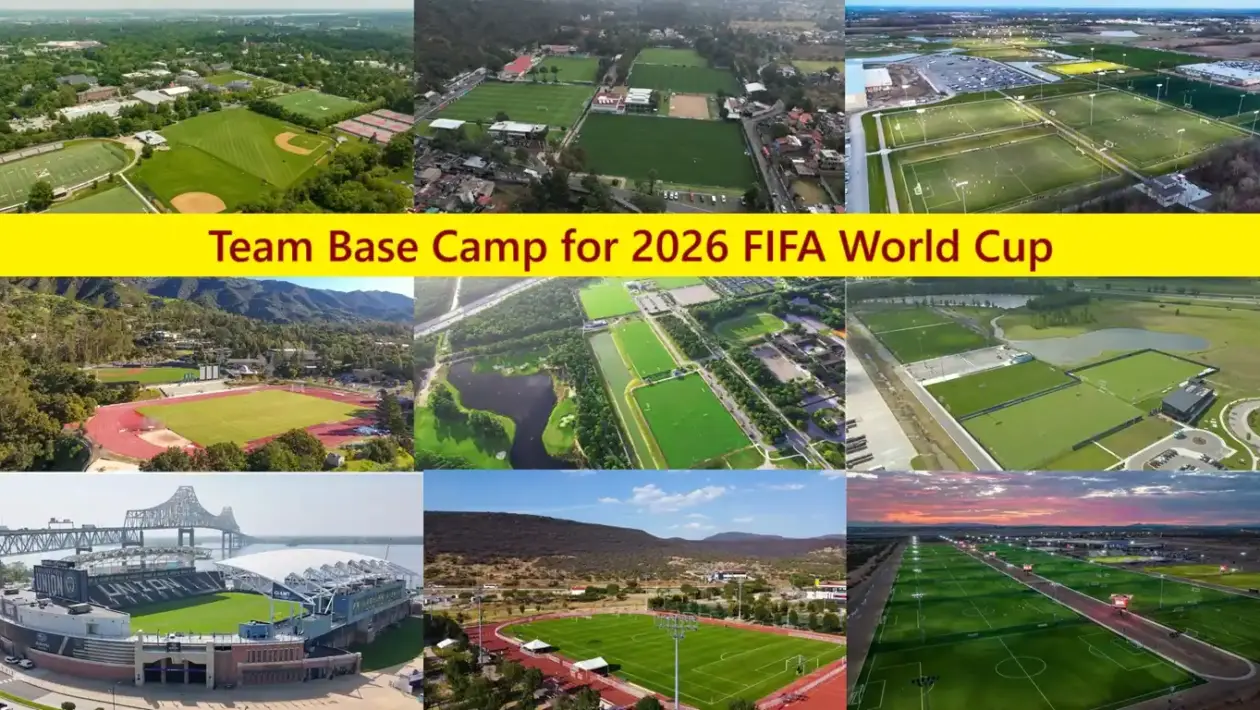
The new location: Tijuana, a city on Mexico’s Pacific coast and just across the border from San Diego, California. The choice of Tijuana isn’t arbitrary—it offers proximity to the U.S. While maintaining Iranian athletes’ safety and comfort. Team Melli will play its group-stage matches in Southern California and Seattle, meaning the players will still be close to their competition grounds despite the base camp’s relocation.
“Our request to change the team’s base from the United States to Mexico was approved. We will establish our base camp in Tijuana, which is located near the Pacific Ocean and on the Mexico–United States border, but within Mexican territory. The contract will be finalized and there are no issues, as it has already been approved by FIFA.”
— Mehdi Taj, President of Iran’s Soccer Federation
The announcement came just days after reports suggested that planning for the U.S. Base camp in Arizona’s Kino Sports Complex was already well underway. As recently as last week, a person with direct knowledge of the base camp plans told The Athletic that security coordination between law enforcement agencies was in full swing. The sudden shift has left many wondering: what changed in the past 48 hours to make this relocation necessary?
Geopolitics Overrides Football: The U.S.-Iran Conflict’s Impact
The timing of Iran’s decision couldn’t be more fraught. The country is currently engaged in a military conflict with the United States, which began after a series of attacks in February 2026. The escalation has created significant travel risks for Iranian citizens, including athletes, who have faced scrutiny and potential security threats in the U.S.
As recently as March 2026, Iranian officials began questioning whether their team would even travel to the U.S. For the World Cup. The situation has since deteriorated, with the U.S. Launching “self-defense strikes” in southern Iran just this past Monday (May 25, 2026). These strikes, while framed as defensive measures, have only heightened tensions and made the prospect of Iranian athletes training in the U.S. Increasingly untenable.
In parallel, diplomatic negotiations between the two nations have been ongoing. Just yesterday, U.S. President Donald Trump signaled that a deal with Iran was “largely negotiated,” though Iranian officials have expressed skepticism about the U.S.’s consistency in its proposals. Secretary of State Marco Rubio suggested that an agreement to reopen the Strait of Hormuz could be announced as soon as this week, but no concrete deal has been signed yet.
For Team Melli, this diplomatic backdrop has created a high-stakes environment. The players are not just preparing for a football tournament—they are navigating a complex geopolitical landscape where their safety and ability to compete could be directly impacted by international relations.
FIFA’s Role: Navigating the Unnavigable
FIFA’s involvement in this saga highlights the organization’s growing challenges in managing major tournaments amid global conflicts. The world governing body has had to act swiftly to accommodate Iran’s request, demonstrating both flexibility and an understanding of the real-world constraints facing national teams.
While FIFA did not immediately respond to requests for comment, the approval of the base camp relocation suggests that the organization is prioritizing the safety and operational feasibility of the tournament over traditional logistical preferences. This decision sets a precedent for how future World Cups might handle similar situations, particularly as geopolitical tensions continue to rise in other regions.
It’s also worth noting that this isn’t the first time football has been caught in the crossfire of international conflicts. In recent years, we’ve seen tournaments disrupted by political unrest, sanctions, and even outright wars. The 2022 World Cup in Qatar, for example, was held amid human rights controversies, while the 2018 tournament in Russia took place during the Ukraine crisis. Iran’s situation now adds another layer to this complex dynamic.
What This Means for Team Melli
For Iran’s national team, the move to Tijuana presents both opportunities and challenges. On the positive side, the proximity to their U.S. Match venues means they won’t face excessive travel fatigue. Tijuana’s coastal location also offers a familiar environment for many Iranian players, who may find the climate and facilities more comfortable than those in Arizona.
However, the last-minute nature of the decision has left little time for thorough preparations. The team’s coaching staff and support personnel will need to quickly adapt to their new surroundings, while players may still be adjusting to the psychological pressures of competing in a high-stakes tournament under these circumstances.
Coach Ali Kafashian—who has led Team Melli through recent qualifying campaigns—will now have to manage these logistical challenges while keeping his players focused on football. The team’s performance in the World Cup will be a testament not just to their skill, but also to their ability to thrive in an environment shaped by external factors beyond their control.
Broader Implications: How Geopolitics Shapes Sport
Iran’s World Cup base camp relocation is more than just a footnote in the tournament’s story—it’s a microcosm of how global politics increasingly intersects with sport. As conflicts and diplomatic tensions rise, major sporting events will continue to face unprecedented challenges in ensuring the safety and participation of athletes from affected regions.
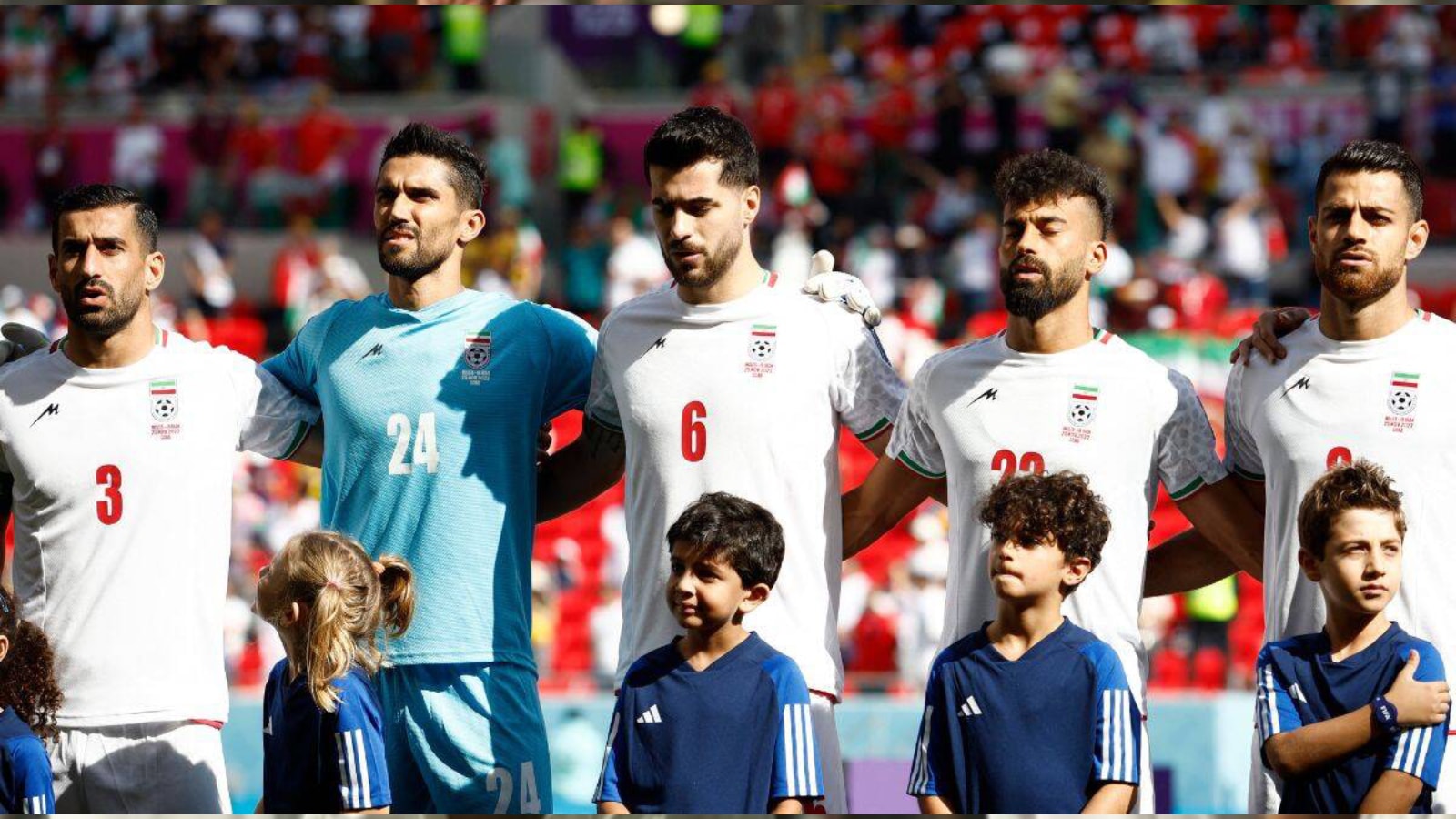
For fans, this story serves as a reminder that the World Cup is not just about football. It’s a global spectacle that reflects the world’s complexities—its alliances, its conflicts, and its ever-shifting power dynamics. The ability of organizations like FIFA to navigate these challenges will be crucial in maintaining the tournament’s integrity and accessibility for years to come.
It also raises questions about the future of international sport. Will we see more last-minute relocations in future tournaments? How will governing bodies like FIFA balance their commitment to neutrality with the need to protect athletes? And what does this mean for the countries hosting these events, who must now consider not just football logistics, but also the political implications of hosting teams from conflict zones?
Key Takeaways
- Last-minute shift: Iran’s World Cup base camp moved from Arizona, U.S., to Tijuana, Mexico, just days before the tournament begins.
- Geopolitical driver: The decision follows escalating U.S.-Iran military conflict, making travel to the U.S. Unsafe for Iranian athletes.
- FIFA’s flexibility: The governing body approved the relocation after meetings in Istanbul, demonstrating adaptability in crisis situations.
- Proximity advantage: Tijuana’s location near the U.S.-Mexico border ensures Team Melli remains close to their match venues in Southern California and Seattle.
- Diplomatic backdrop: Ongoing U.S.-Iran negotiations complicate the situation, with no signed deal yet despite recent progress signals.
- Precedent-setting: The move highlights how future World Cups may need to account for geopolitical risks in team preparations.
What Happens Next?
The next critical checkpoint in this story will be the official signing of any U.S.-Iran diplomatic agreement, which could potentially ease travel restrictions and alter the football landscape. As of now, no such deal has been finalized, and the situation remains fluid.
For Team Melli, the focus will shift to their opening match in the World Cup group stage. With preparations now underway in Tijuana, fans will be watching closely to see how the team adapts to their new environment and whether the geopolitical tensions will cast a shadow over their performances.
FIFA will also need to monitor the situation closely, ensuring that all teams have the support they need to compete safely and effectively. The organization’s ability to handle such logistical challenges will be a key indicator of its preparedness for future tournaments in an increasingly unpredictable world.
This story is developing rapidly. For the latest updates on Team Melli’s preparations and the broader geopolitical context, check back with World Today Journal for real-time coverage. How do you think this relocation will impact Iran’s World Cup campaign? Share your thoughts in the comments below.
Worth a look