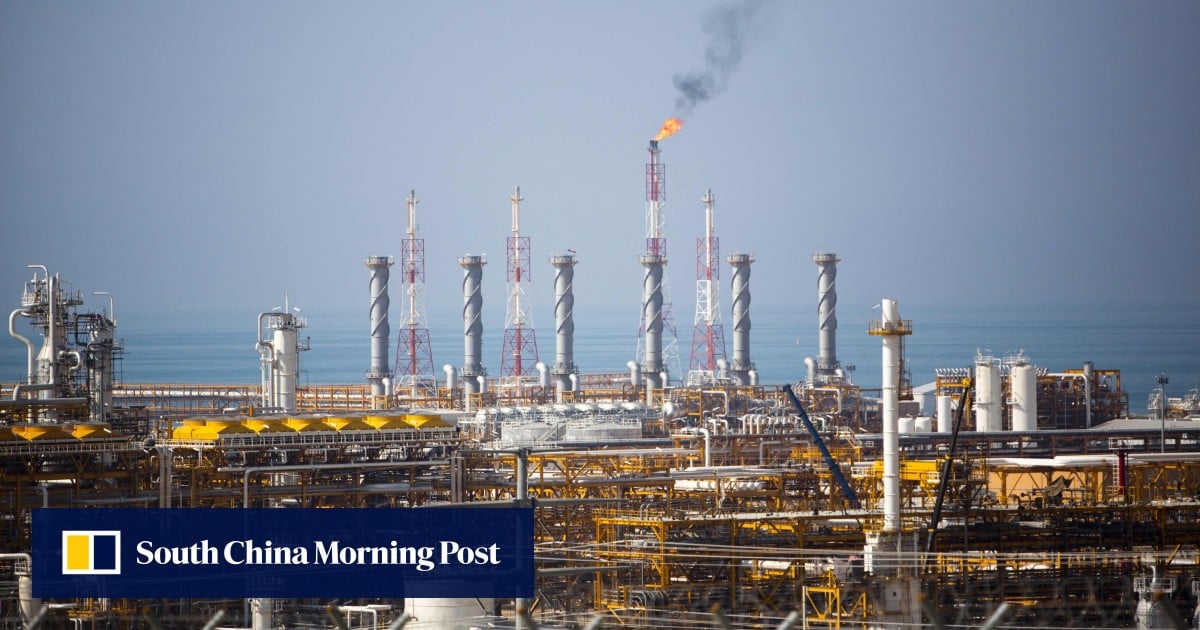
Iran Threatens Retaliation After Attack on Pars Gas Field Sends Oil Prices Higher
London, United Kingdom – Iran has vowed to retaliate against attacks on oil and gas targets throughout the Gulf region following a strike on its South Pars gas field on Wednesday. The attack, the first reported on Iranian energy infrastructure amid heightened regional tensions, sent benchmark Brent crude oil prices soaring by around 5 percent, exceeding $108 a barrel, and triggered volatility in stock markets. The incident marks a significant escalation in a conflict that has already disrupted shipping lanes in a critical energy-producing region, raising concerns about potential long-term damage to infrastructure and global energy supplies.
The South Pars gas field, located in the Persian Gulf, is part of the world’s largest natural gas deposit, shared between Iran and Qatar. Iran’s state news agency, Fars, reported that gas tanks and parts of a refinery were hit, prompting the evacuation of workers to safe locations. Emergency crews were dispatched to contain a fire that reportedly broke out following the attack, and state media later confirmed the blaze was brought under control. The precise nature and extent of the damage remain unclear, but the incident underscores the vulnerability of critical energy infrastructure in the region.
Allegations and Denials Surrounding the Attack
While no group has claimed responsibility for the strike on the South Pars gas field, reports in Israeli media suggest that Israel carried out the attack with the tacit consent of the United States. Both Israel and the United States have refrained from directly acknowledging involvement. The Israeli military has not responded to requests for comment regarding the incident, according to multiple news sources. This lack of official confirmation has fueled speculation and heightened tensions in the region. The Guardian reported that the strike on the gas field was reportedly coordinated with the US, coinciding with the confirmation of the death of an Iranian intelligence minister.
The timing of the attack is particularly sensitive, occurring against a backdrop of escalating regional conflict. The situation is further complicated by the ongoing war and its impact on global shipping routes. The disruption to maritime traffic through key waterways, such as the Strait of Hormuz, has already contributed to increased energy prices and supply chain concerns. A sustained disruption to Iranian energy infrastructure could have far-reaching consequences for global energy markets and the wider economy.
Impact on Global Energy Markets
The immediate impact of the attack on the South Pars gas field was a surge in oil prices. Brent crude, a global benchmark, rose sharply on Wednesday, reflecting concerns about potential supply disruptions. Stock markets also reacted negatively, with indices experiencing declines as investors assessed the potential economic fallout. The attack highlights the interconnectedness of global energy markets and the sensitivity of prices to geopolitical events.
Analysts warn that further escalation could lead to even more significant price increases and supply disruptions. The Strait of Hormuz, a narrow waterway through which a substantial portion of the world’s oil supply passes, remains a critical chokepoint. Any disruption to traffic through the strait could have a severe impact on global energy markets. The International Energy Agency (IEA) is closely monitoring the situation and assessing the potential implications for global energy security.
Iran’s Response and Regional Implications
Iran’s threat to retaliate against attacks on oil and gas targets throughout the Gulf raises the specter of a wider regional conflict. Tehran has not specified the nature of its potential response, but the warning signals a willingness to escalate tensions if further attacks occur. This raises concerns about potential attacks on oil tankers, pipelines, or other critical infrastructure in the region.
The potential for escalation is further complicated by the involvement of multiple actors in the region. The United States maintains a significant military presence in the Gulf, and its allies, including Saudi Arabia and the United Arab Emirates, are also key players in the region’s energy markets. Any miscalculation or unintended escalation could have devastating consequences for regional stability and global energy security. The situation demands careful diplomacy and de-escalation efforts to prevent a wider conflict.
The South Pars Gas Field: A Strategic Asset
The South Pars/North Dome gas field is the world’s largest natural gas field, shared between Iran and Qatar. It holds an estimated 51 trillion cubic meters of natural gas, representing approximately 18% of the world’s proven gas reserves. The field is a critical source of revenue for both Iran and Qatar, and it plays a significant role in meeting global energy demand.
For Iran, the South Pars field is a vital economic asset, providing a significant source of export revenue and contributing to the country’s energy independence. The field has been the subject of substantial investment in recent years, with Iran seeking to increase its production capacity and expand its export markets. Any significant damage to the South Pars field could have a severe impact on Iran’s economy and its ability to meet its energy obligations. Qatar, similarly, relies heavily on the North Dome portion of the field for its economic prosperity and global energy market position.
Recent Developments and Ongoing Concerns
The attack on the South Pars gas field comes amid a period of heightened regional tensions and ongoing conflict. The situation is further complicated by the ongoing war and its broader implications for regional stability. The potential for further escalation remains high, and the risk of miscalculation or unintended consequences is significant.
International efforts to de-escalate tensions and promote a peaceful resolution to the conflict are ongoing, but progress has been limited. The United Nations, the United States, and other international actors are engaged in diplomatic efforts to prevent a wider regional conflict. But, the complex geopolitical dynamics and the involvement of multiple actors make a peaceful resolution challenging.
The situation remains fluid and unpredictable. Further developments are expected in the coming days and weeks, and the potential for escalation remains a significant concern. The international community is closely monitoring the situation and urging all parties to exercise restraint and avoid actions that could further destabilize the region.
As of today, March 18, 2026, Iranian officials have not specified a timeline for their potential retaliatory actions. However, the threat remains credible, and the risk of further escalation is high. The international community is urging all parties to engage in constructive dialogue and avoid actions that could exacerbate the situation. The next key development to watch will be any official statement from Iran regarding its planned response, as well as any further statements from the United States and Israel regarding their involvement in the attack on the South Pars gas field.
Stay informed: For the latest updates on this developing story, please continue to check World Today Journal. We will provide ongoing coverage as the situation unfolds. Share your thoughts and perspectives in the comments below.
Worth a look
- Spokane Wildfire Arson Suspect Revealed: Man Previously Imprisoned for Patricide
- Brittany Ferries to Stop Live Animal Exports to France: IFA Raises Concerns
- Dow Hits Record High as US-Iran Tensions Ease and Amazon Tops $3 Trillion (time.news)
- China’s AI Surge: Alibaba Qwen3.8-Max and DeepSeek’s Low-Cost Models Shake the Market (newsdirectory3.com)