Iran Threatens Gulf Energy Infrastructure Following Strike on Pars Gas Field, Sending Oil Prices Higher
The escalating tensions in the Middle East took a sharp turn Wednesday with reports of a strike on Iran’s South Pars gas field, a critical component of the world’s energy supply. The attack, widely reported by Israeli media as being carried out by Israel with U.S. Consent, though unconfirmed by either nation, has prompted Iran to threaten retaliatory strikes against oil and gas targets throughout the Gulf region. This development immediately sent shockwaves through global energy markets, driving up crude oil prices and raising concerns about a wider regional conflict. The situation underscores the fragility of energy security and the potential for significant economic disruption.
Benchmark Brent crude oil prices surged approximately 5 percent, exceeding US$108 per barrel in the immediate aftermath of the reported attack, according to multiple news sources. Stock markets also reacted negatively, reflecting investor anxiety over the potential for further escalation. The South Pars gas field, shared with Qatar, is the world’s largest natural gas deposit, making it a strategically vital asset. Any sustained disruption to its operations could have far-reaching consequences for global energy supplies, particularly for nations reliant on liquefied natural gas (LNG). The attack represents a significant escalation in the ongoing conflict, moving beyond previous engagements and directly targeting critical energy infrastructure.
Details of the Strike and Iranian Response
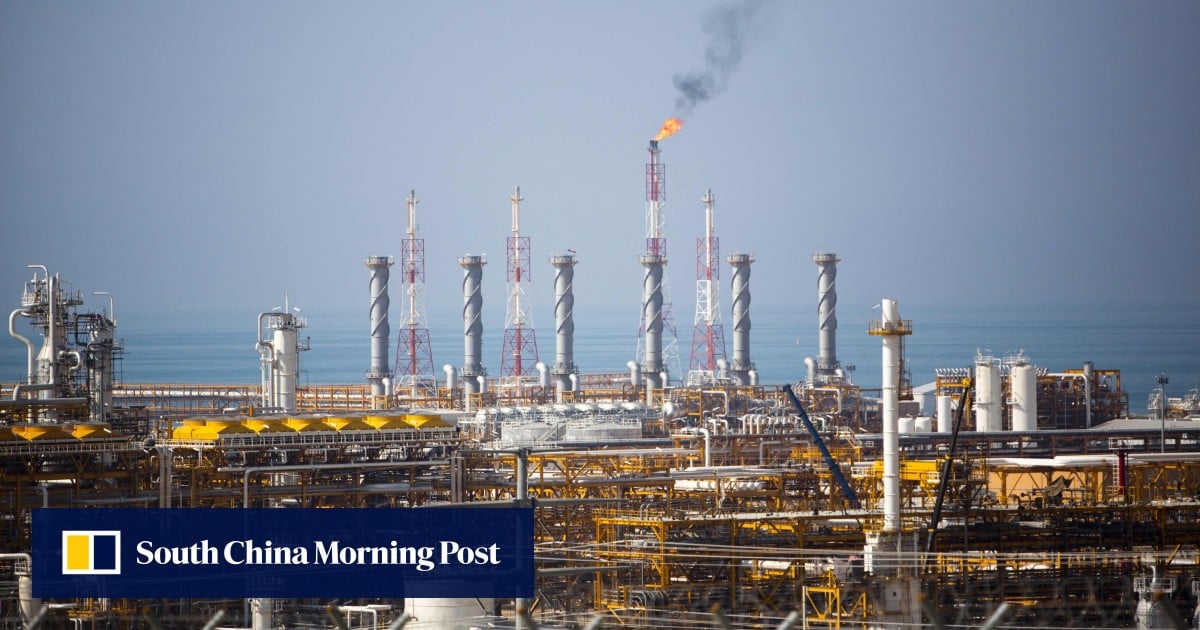
Iran’s state news agency, Fars, reported that gas tanks and parts of a refinery within the South Pars complex were hit. Workers were reportedly evacuated to safe locations, and emergency crews were dispatched to contain a fire that subsequently broke out. State media later indicated the fire was brought under control. While the extent of the damage remains unclear, the incident has triggered a strong response from Tehran. Iranian officials have warned of potential attacks on energy infrastructure in neighboring countries, including Qatar, Saudi Arabia, and the United Arab Emirates, specifically targeting refineries, petrochemical plants, and gas fields. This threat raises the specter of a broader regional conflict that could engulf key energy-producing nations.
The strike on South Pars is attributed by Israeli sources to the Israeli Air Force (IAF) with U.S. Support, as reported by Aviacionline. The attack damaged both onshore processing facilities and offshore operational segments, temporarily impacting several development phases at the complex. This marks a shift toward directly targeting Iran’s economic lifeline, increasing systemic risk and potentially crippling revenue streams for the Iranian regime. The United States and its allies have attempted to mitigate the impact on oil prices through strategic reserve releases, but structural vulnerabilities in the market persist, leaving it susceptible to further shocks.
Geopolitical Implications and Global Energy Markets
The South Pars gas field is a joint venture between Iran and Qatar, and the attack also impacted Qatar’s North Field, an extension of the same deposit. Majed Al Ansari, Qatar’s foreign ministry spokesman, described the targeting of the field as a “dangerous and irresponsible step,” highlighting the regional implications of the strike. Qatar is a major supplier of LNG, providing roughly 20% of the global supply, and any disruption to its production capacity could exacerbate existing energy shortages and drive up prices further. Approximately 20% of global crude oil flows through the Strait of Hormuz, a critical chokepoint in the Persian Gulf, making the region exceptionally vulnerable to geopolitical instability.
The potential for Iranian retaliation against Gulf infrastructure is a major concern for international markets. Historically, Iran has employed calibrated strikes against critical infrastructure to exert economic pressure without triggering a large-scale military response. However, the strike on South Pars may compel a more visible and forceful retaliation, potentially escalating the conflict beyond its current parameters. The situation is complicated by the involvement of multiple actors and the potential for miscalculation. The United States’ role in the reported strike, as indicated by The Guardian, citing senior Israeli and U.S. Officials, adds another layer of complexity to the geopolitical landscape.
Historical Context and U.S. Involvement
Reports indicate that Israel’s strike against the South Pars gas field was coordinated with and approved by the Trump administration, according to The Guardian. This revelation raises questions about the extent of U.S. Involvement in the escalating conflict and the potential for a broader U.S.-Iran confrontation. The current administration has not officially confirmed or denied these reports. The history of U.S.-Iran relations is marked by decades of tension and mistrust, stemming from the 1979 Iranian Revolution and subsequent geopolitical developments. The ongoing conflict represents a significant challenge to regional stability and global energy security.
The attack on South Pars also comes amid broader concerns about Iran’s nuclear program and its support for proxy groups in the region. Negotiations aimed at reviving the 2015 nuclear deal, formally known as the Joint Comprehensive Plan of Action (JCPOA), have stalled, raising fears that Iran is accelerating its nuclear development. The potential for Iran to acquire nuclear weapons would further destabilize the region and could trigger a wider arms race. The current escalation in tensions underscores the urgent need for diplomatic efforts to de-escalate the conflict and prevent further escalation.
Impact on Global LNG and Crude Oil Markets
The disruption to gas production at South Pars, coupled with the threat of further attacks on energy infrastructure, is likely to have a significant impact on global LNG markets. Europe, in particular, is heavily reliant on LNG imports to diversify its energy sources and reduce its dependence on Russian gas. Any disruption to LNG supplies from Qatar or Iran could exacerbate energy shortages and drive up prices, potentially triggering a recession in Europe. Similarly, the threat to crude oil flows through the Strait of Hormuz poses a significant risk to global oil markets. A disruption to oil supplies could send prices soaring, impacting economies worldwide.
Market analysts are closely monitoring the situation and assessing the potential impact on energy prices. Strategic reserve releases and increased production from other oil-producing nations may help to mitigate the impact of any supply disruptions, but the effectiveness of these measures remains uncertain. The long-term consequences of the attack on South Pars and the broader escalation in tensions will depend on the actions of all parties involved. A diplomatic resolution to the conflict is essential to prevent further escalation and ensure the stability of global energy markets.
The situation remains highly fluid and unpredictable. The next few days and weeks will be critical in determining whether the conflict can be contained or whether it will escalate into a wider regional war. International efforts to de-escalate tensions and promote dialogue are urgently needed to prevent a catastrophic outcome. The world is watching closely as the situation unfolds, bracing for the potential consequences of a conflict that could have far-reaching implications for global energy security and geopolitical stability.
Looking ahead, market participants will be closely watching for further developments in the region, including any signs of escalation or de-escalation. Official statements from Iran, Israel, and the United States will be crucial in assessing the situation. The next scheduled meeting of OPEC+ on April 1st will also be closely monitored for any potential adjustments to oil production levels.
What are your thoughts on the escalating tensions in the Middle East? Share your comments below and join the conversation.
Keep reading
- Jelly Roll Announces Indefinite Touring Hiatus Following Divorce from Bunnie Xo
- US and Japan Intervene to Stop Yen Crash: Impact on Global Currencies and the Korean Won
- China’s AI Surge: Alibaba Qwen3.8-Max and DeepSeek’s Low-Cost Models Shake the Market (newsdirectory3.com)
- Dow Hits Record High as US-Iran Tensions Ease and Amazon Tops $3 Trillion (time.news)