Lebanon Grapples with Escalating Conflict as Hezbollah Engages Israel
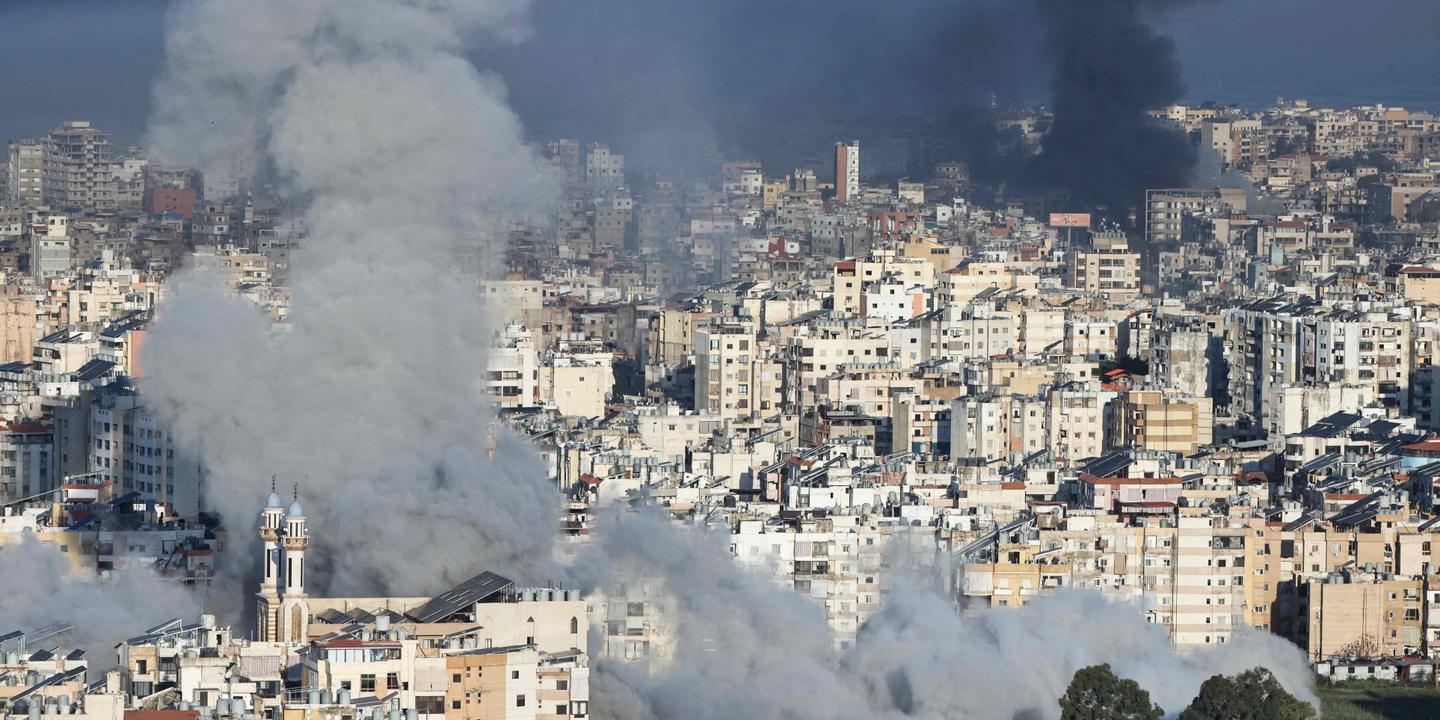
Beirut – The fragile stability of Lebanon is increasingly threatened as clashes between Hezbollah and Israel intensify, following a recent exchange of fire sparked by regional tensions surrounding Iran. Israeli military strikes targeting Hezbollah positions across Lebanon, including areas near Beirut, have resulted in significant casualties and displacement, while Hezbollah’s retaliatory attacks have raised concerns about a wider escalation of conflict. The situation is further complicated by the Lebanese government’s limited control over Hezbollah, a powerful political and military force within the country and the growing humanitarian crisis unfolding as civilians flee the fighting. The current escalation represents a dangerous turn in the ongoing, low-intensity conflict between Israel and Hezbollah, which has simmered for months but has now been dramatically amplified in the wake of heightened tensions with Iran.
On Monday, Israel launched overnight strikes in Lebanon, hitting areas in the southern suburbs of Beirut, in response to rocket attacks launched by Hezbollah into northern Israel. According to reports from the BBC, these attacks were intended as retaliation for the killing of a senior Iranian commander. Lebanon’s disaster management unit reported 52 people were killed by Israeli strikes on Monday, highlighting the severity of the recent escalation. While there were no immediate reports of casualties in Israel from Hezbollah’s fire, the exchange underscores the rapidly deteriorating security situation and the potential for further escalation. The conflict has spread quickly across the Middle East since joint U.S.-Israeli actions against Iranian leadership and armed forces on Saturday, with Iran responding with missile and drone launches towards Israel and Gulf Arab states hosting U.S. Military bases.
Hezbollah’s Actions Draw Condemnation from Lebanese Leadership
Lebanon’s Prime Minister, Nawaf Salam, has condemned Hezbollah’s actions as “irresponsible,” signaling a growing rift between the government and the militant group. Salam announced an immediate ban on Hezbollah’s military activities within the country, a move that reflects the government’s attempt to distance itself from the escalating conflict and assert its authority. This condemnation is a significant development, as it demonstrates a willingness by the Lebanese government to publicly challenge Hezbollah’s actions, despite the group’s considerable influence within the country. However, the effectiveness of this ban remains uncertain, given the limited control the Lebanese government exerts over Hezbollah.
The situation highlights a long-standing dilemma for Lebanon: the presence of a heavily armed, non-state actor operating with significant autonomy within its borders. As reported by the Associated Press, Lebanon’s leaders are increasingly turning against Hezbollah as the conflict intensifies and the country faces the prospect of widespread instability. The Lebanese government’s ability to effectively control Hezbollah is severely constrained, with many observers noting that the group operates as a state within a state, possessing its own military capabilities, social programs, and political agenda. This lack of control is a key factor contributing to the current crisis and raises questions about Lebanon’s future stability.
Limited Government Control Over Hezbollah
The assertion that the Lebanese government has limited control over Hezbollah is not new. The group, founded in the early 1980s with Iranian support, has grown into a powerful political and military force, wielding significant influence over Lebanese politics and society. Hezbollah maintains a vast network of supporters and operates its own extensive infrastructure, including schools, hospitals, and social services, which allows it to bypass the state and provide services directly to the population. This parallel structure has effectively created a separate power center within Lebanon, diminishing the authority of the central government.
The complexities of Lebanon’s political system, characterized by sectarian divisions and power-sharing arrangements, further complicate the government’s ability to assert control over Hezbollah. Hezbollah is a key player in the Lebanese parliament and has held ministerial positions in successive governments, giving it a direct stake in the political process. Attempts to disarm or curtail Hezbollah’s power have historically been met with resistance, both from within the group and from its allies within the Lebanese political system. The current situation underscores the deep-seated challenges facing Lebanon in its efforts to establish full sovereignty over its territory and assert its authority over all armed groups operating within its borders.
Regional Implications and International Response
The escalation of conflict between Israel and Hezbollah has significant regional implications, raising concerns about a wider war in the Middle East. The involvement of Iran, a key backer of Hezbollah, adds another layer of complexity to the situation. Israel views Hezbollah as a proxy of Iran and has repeatedly warned against the group’s growing military capabilities and its threat to Israel’s security. The recent exchange of fire has prompted calls for restraint from international actors, including the United States and the United Nations, but the situation remains highly volatile.
Israel’s Defense Minister, Israel Katz, has vowed that Hezbollah will pay a “heavy price” for its actions and has ordered the military to “act forcefully” against the group. He further stated that Hezbollah’s leader, Naim Qassem, is now a “marked target for elimination,” signaling a potential escalation of Israeli military operations. These statements underscore Israel’s determination to confront Hezbollah and deter future attacks. The United States has also expressed its concern over the escalating conflict and has urged all parties to exercise restraint. However, the U.S. Has also reaffirmed its commitment to Israel’s security and has provided military assistance to its ally.
Humanitarian Concerns and Displacement
The escalating conflict is having a devastating impact on the civilian population in Lebanon. Thousands of people have been displaced from their homes in southern Lebanon and Beirut’s southern suburbs, seeking shelter in safer areas. The Associated Press reports scenes of families fleeing their homes, highlighting the growing humanitarian crisis. The conflict is also disrupting essential services, such as healthcare and education, and exacerbating the already dire economic situation in Lebanon, which has been grappling with a severe financial crisis for the past several years.
International aid organizations are working to provide assistance to those affected by the conflict, but access to affected areas is often limited due to ongoing fighting. The United Nations has called for a ceasefire and urged all parties to respect international humanitarian law and protect civilians. The long-term consequences of the conflict for Lebanon’s civilian population are likely to be severe, and the country will require significant international assistance to rebuild and recover.
Key Takeaways
- The conflict between Israel and Hezbollah is escalating, posing a significant threat to regional stability.
- The Lebanese government has limited control over Hezbollah, complicating efforts to de-escalate the situation.
- The conflict is causing widespread displacement and a growing humanitarian crisis in Lebanon.
- International actors are calling for restraint, but the situation remains highly volatile.
The situation remains fluid, and further developments are expected in the coming days. The international community is closely monitoring the situation and working to prevent a wider escalation of conflict. The next key development to watch will be the response of Hezbollah to Israel’s continued military operations and the potential for further retaliatory attacks. We will continue to provide updates as the situation unfolds. Share your thoughts and perspectives on this critical issue in the comments below.