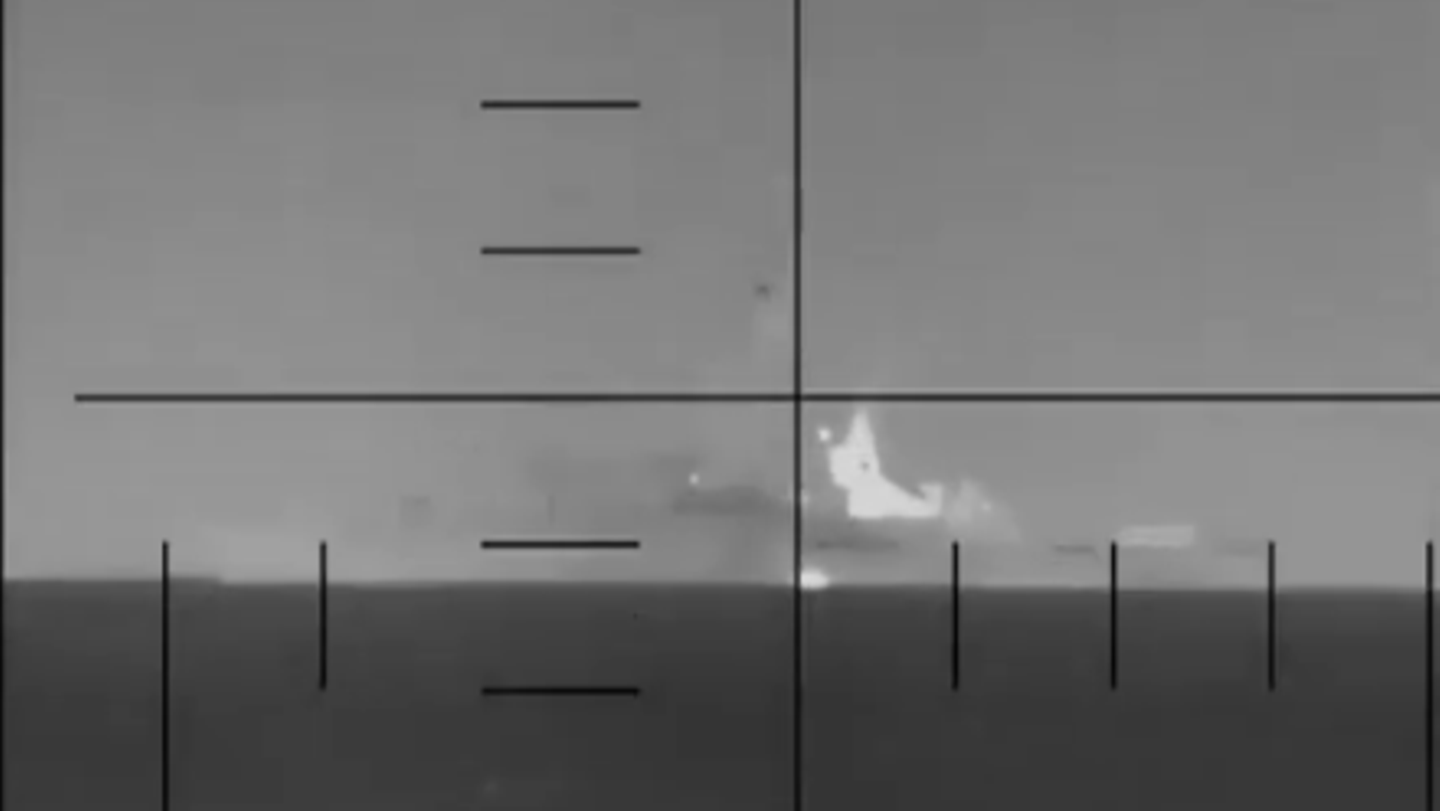
Berlin, Germany – Amidst escalating tensions in the Middle East following recent exchanges between Iran and Israel, German Defence Minister Boris Pistorius has firmly ruled out any direct military involvement of the Bundeswehr in a potential conflict with Iran. This stance, reiterated in a Bundestag address on Wednesday, March 4, 2026, underscores Germany’s commitment to avoiding escalation and prioritizing the safety of its citizens and military personnel in the region. The statement comes as international concerns mount over the potential for a wider regional war following a reported attack on Iranian facilities and retaliatory strikes against Israel and U.S. Military installations.
Pistorius’s declaration, delivered during an urgent debate in the German parliament, was unequivocal: “The German Bundeswehr will not participate in this war,” he stated, according to reports from Stuttgarter Zeitung and Deutschlandfunk. He emphasized that Germany is not a party to the conflict and will not deploy troops to the region. This position aligns with a broader effort by European nations to de-escalate the situation through diplomatic channels and avoid direct military confrontation. The Minister’s comments were made in response to questions regarding the potential for German involvement following attacks on Bundeswehr outposts in Iraq and Jordan, reportedly carried out by Iranian-backed forces.
Germany’s Position: Support for Israel, But No Direct Military Intervention
While firmly rejecting direct military participation, Pistorius indicated that Germany remains steadfast in its support for Israel’s right to self-defense. He suggested that military assistance in the form of weapons deliveries, systems, and ammunition remains a possibility. This position reflects a delicate balancing act – providing support to a key ally while simultaneously avoiding actions that could further escalate the conflict. Thomas Röwekamp, Chairman of the Defence Committee in the Bundestag, echoed this sentiment, stating that while Germany will not engage in military operations against Iran, arms deliveries are “thinkable,” as reported by tagesschau.de. Röwekamp characterized the attacks on Iran as falling within the scope of Israel’s right to self-defense.
The German government’s approach is rooted in a careful assessment of the risks and potential consequences of direct military involvement. A key concern is the protection of German citizens and military personnel stationed in the region. The presence of Bundeswehr troops in Iraq and Jordan, primarily involved in training and advisory roles as part of international coalitions against ISIS, has made them potential targets in the escalating conflict. The recent attacks on these bases underscore the vulnerability of German assets and the need for a cautious approach.
Escalation and Regional Implications
The current crisis stems from a series of escalating events, beginning with reported attacks on Iranian facilities. The situation has been further complicated by retaliatory strikes by Iran against Israel and U.S. Military installations in the Gulf region. The United Nations has reported that approximately 100,000 people have fled Tehran in the first two days of the conflict, highlighting the growing humanitarian concerns. The International Atomic Energy Agency (IAEA) has confirmed that Iranian nuclear facilities have not been damaged in the attacks, alleviating immediate fears of a nuclear incident, according to Deutschlandfunk.
China has offered to mediate in the conflict, announcing plans to send a special envoy to the region. This move reflects China’s growing role as a global mediator and its strategic partnership with Iran. The offer of mediation comes as international efforts to de-escalate the situation intensify. However, the success of any mediation efforts will depend on the willingness of all parties to engage in constructive dialogue and compromise.
Domestic Political Considerations
The debate over Germany’s role in the escalating conflict has also sparked domestic political discussions. The possibility of reintroducing conscription, or Wehrpflicht, has been raised by some politicians as a means of bolstering the Bundeswehr’s capabilities. Thomas Röwekamp (CDU) has suggested that conscription could return within three years, arguing that a random selection process would be the most transparent and equitable way to choose recruits. This proposal reflects growing concerns about the Bundeswehr’s personnel shortages and its ability to meet its security obligations.
The German government has also condemned Iran’s actions and summoned the Iranian ambassador to Berlin to express its disapproval. This diplomatic move signals Germany’s strong stance against Iran’s destabilizing activities in the region. The government has called on Iran to exercise restraint and refrain from further escalation. The situation is being closely monitored by German intelligence agencies, who are assessing the potential for further attacks and the risk of spillover effects into Europe.
International Response and Diplomatic Efforts
The international community has largely condemned the escalating violence and called for de-escalation. The United States has reaffirmed its unwavering support for Israel and has warned Iran against further aggression. European nations have urged all parties to exercise restraint and engage in diplomatic dialogue. The United Nations Security Council is expected to hold an emergency meeting to discuss the crisis and explore potential solutions. However, the prospects for a peaceful resolution remain uncertain, given the deep-seated animosities and conflicting interests of the parties involved.
Spain’s refusal to allow the United States to use its airbases for military operations against Iran has also drawn attention. Iranian President Peseshkian praised the Spanish government’s decision, stating that it demonstrated the existence of ethics and conscience in the West. However, this move has prompted a threat of a complete trade embargo from U.S. President Trump, highlighting the complex geopolitical dynamics at play.
The situation remains fluid and unpredictable. The potential for miscalculation and unintended consequences is high. Germany’s commitment to avoiding direct military involvement reflects a cautious approach aimed at preventing further escalation and protecting its interests in the region. The focus remains on diplomatic efforts to de-escalate the crisis and find a peaceful resolution.
Key Takeaways:
- Germany will not directly participate militarily in a conflict with Iran.
- Germany remains committed to Israel’s security and may provide military assistance.
- The situation is highly volatile, with the potential for further escalation.
- International diplomatic efforts are underway to de-escalate the crisis.
The German government is expected to continue monitoring the situation closely and coordinating with its international partners to address the evolving challenges. Further updates and official statements are anticipated in the coming days as the crisis unfolds. Readers are encouraged to follow developments through reputable news sources and official government channels.
What are your thoughts on Germany’s approach to the escalating conflict? Share your comments below and join the discussion.
Related reading