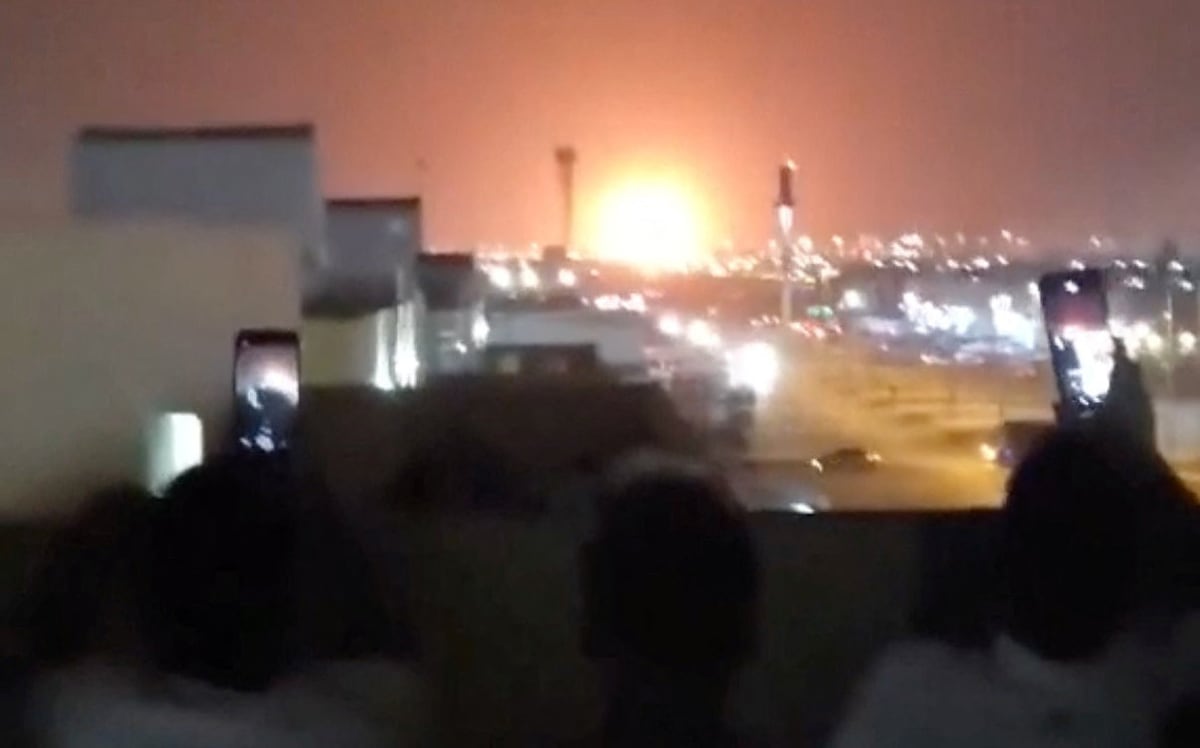
The escalating conflict in the Middle East, triggered by a series of exchanges between the United States and Israel against Iran beginning on February 28th, continues to exact a devastating toll. While precise figures remain contested and difficult to verify due to ongoing hostilities and limited access to affected areas, reports indicate a significant loss of life across multiple countries. The discrepancies in reported casualty numbers highlight the challenges of accurately assessing the human cost of this rapidly evolving situation, with estimates ranging widely depending on the source. Understanding the scope of the conflict and its impact on civilian populations is crucial as international efforts to de-escalate tensions intensify.
The current crisis stems from a complex web of geopolitical factors, including longstanding tensions between Iran and the United States and Israel, concerns over Iran’s nuclear program, and regional power dynamics. The initial strikes by the US and Israel were reportedly in response to Iranian-backed activities in the region, while Iran has characterized its retaliatory actions as self-defense. The involvement of multiple actors, including proxy groups and regional allies, further complicates the situation and raises the risk of a wider conflict. The economic ramifications are also becoming increasingly apparent, with disruptions to global energy markets and supply chains.
The human cost of the conflict is particularly acute, with civilians bearing the brunt of the violence. Reports from various sources, including human rights organizations and government statements, paint a grim picture of widespread destruction and loss of life. The ongoing internet blackout in some areas further hinders efforts to gather accurate information and provide assistance to those in need. The international community is grappling with how to address the humanitarian crisis and prevent further escalation of the conflict, while also seeking a path towards a lasting political solution. The situation remains highly volatile, and the potential for miscalculation or unintended consequences is significant.
Casualty Reports: A Discrepancy in Numbers
Determining the precise number of casualties has proven exceptionally difficult. The US-based Human Rights Activists News Agency (HRANA) reported on March 17, 2026, that 3,114 people have died in the conflict, with 1,354 of those fatalities being civilians. HRANA further specifies that at least 207 of the civilian deaths were children. HRANA is a key source for information on human rights violations in Iran, but its figures are often disputed by the Iranian government.
In contrast, Iranian state media reports a significantly lower death toll of 1,270. The Iranian ambassador to the United Nations has stated the figure is 1,332. Notably, the Iranian government has not clarified this discrepancy in reporting, raising questions about transparency and access to information. This lack of clarity underscores the challenges in independently verifying casualty figures in conflict zones. The differing accounts highlight the sensitivity surrounding the issue and the potential for political motivations to influence reporting.
Regional Impact: Beyond Iran
The conflict’s impact extends far beyond Iran’s borders. Lebanon has experienced a high number of casualties, with approximately 968 deaths reported from Israeli attacks since March 2nd, including at least 100 children. Reports indicate that the fighting has been particularly intense in southern Lebanon, a traditional stronghold of Hezbollah.
In Iraq, at least 60 people have died, according to Iraqi authorities. The majority of these fatalities are reported to be members of the Popular Mobilization Forces, a predominantly Shiite coalition. The involvement of these groups raises concerns about the potential for sectarian violence and further destabilization of the region. The US military presence in Iraq has also been targeted, with six US soldiers dying when their plane crashed in the country.
Israel has reported 15 civilian deaths, including nine in a single attack on Beit Shemesh, a city in central Israel, caused by an Iranian missile on March 1st. Further reports indicate that three Palestinian civilians were killed in the occupied territories following an Iranian bombardment, and two soldiers died in southern Lebanon. The attacks on Israeli civilian areas have prompted widespread condemnation and calls for restraint.
The United States has suffered 13 military fatalities, six of whom died in the aforementioned plane crash in Iraq. The United Arab Emirates has reported eight deaths, including two soldiers, as a result of Iranian attacks, according to the UAE’s Minister of Defense. These attacks underscore the widening geographic scope of the conflict and the increasing risk to regional stability.
Kuwait has reported six deaths – two civilians, two members of the Ministry of Interior, and two soldiers. Early in the conflict, Kuwaiti air defenses reportedly downed three US fighter jets in a friendly fire incident. Video footage of the incident circulated widely, highlighting the dangers of operating in a contested airspace. Syria has seen four civilian deaths in an attack on a building in the southern city of Sweida. Oman has reported at least two deaths from a drone attack on an industrial zone and another from a projectile hitting a tanker off the coast of Muscat.
Saudi Arabia has reported two civilian deaths after a projectile struck a residential area in Al-Kharj, southeast of the capital. Bahrain has also reported two deaths from Iranian attacks, including one targeting the capital, Manama. France has suffered its first casualty, with one soldier killed and six wounded in a drone attack in northern Iraq, where French troops were providing counter-terrorism training. This marked the first European fatality in the conflict.
Escalating Tensions and International Response
The conflict has been accompanied by heightened rhetoric and threats of retaliation. On January 24, 2026, General Mohammad Pakpour of the Iranian Revolutionary Guard Corps (IRGC) warned the US that the force was “more ready than ever, finger on the trigger” as American warships moved toward the Middle East. Pakpour’s statement came amid escalating tensions and weeks of pressure from US President Donald Trump following widespread anti-regime protests and a violent government crackdown in Iran.
While President Trump initially threatened military intervention, his tone softened on January 14, 2026, after receiving assurances from Iran that the killings of protesters had stopped and that executions of detained demonstrators would not proceed. However, his earlier threats prompted Tehran to warn of retaliation, and Qatar confirmed the removal of some personnel from the Al Udeid airbase, which hosts US armed forces, in response to “current regional tensions.”
The international community is deeply concerned about the potential for further escalation and is actively engaged in diplomatic efforts to de-escalate the conflict. European nations have urged restraint and called for a return to dialogue, but their efforts have been met with limited success. The economic consequences of the conflict are also significant, with disruptions to global energy markets and supply chains. The ongoing instability in the region poses a threat to international security and requires a coordinated response from the international community.
Key Takeaways
- The conflict between the US/Israel and Iran has resulted in a significant loss of life across multiple countries in the Middle East.
- Casualty figures vary widely depending on the source, with HRANA reporting 3,114 deaths and the Iranian government reporting lower numbers.
- The conflict has expanded beyond Iran, impacting Lebanon, Iraq, Israel, the United States, and several other regional nations.
- Escalating rhetoric and threats of retaliation raise concerns about further escalation and the potential for a wider conflict.
- International efforts to de-escalate tensions and address the humanitarian crisis are ongoing, but face significant challenges.
As of today, March 19, 2026, diplomatic efforts continue, with Qatar playing a key role in mediating between the parties. Further developments are expected in the coming days as international pressure mounts for a ceasefire and a return to negotiations. Readers are encouraged to share their thoughts and perspectives on this critical issue in the comments section below.