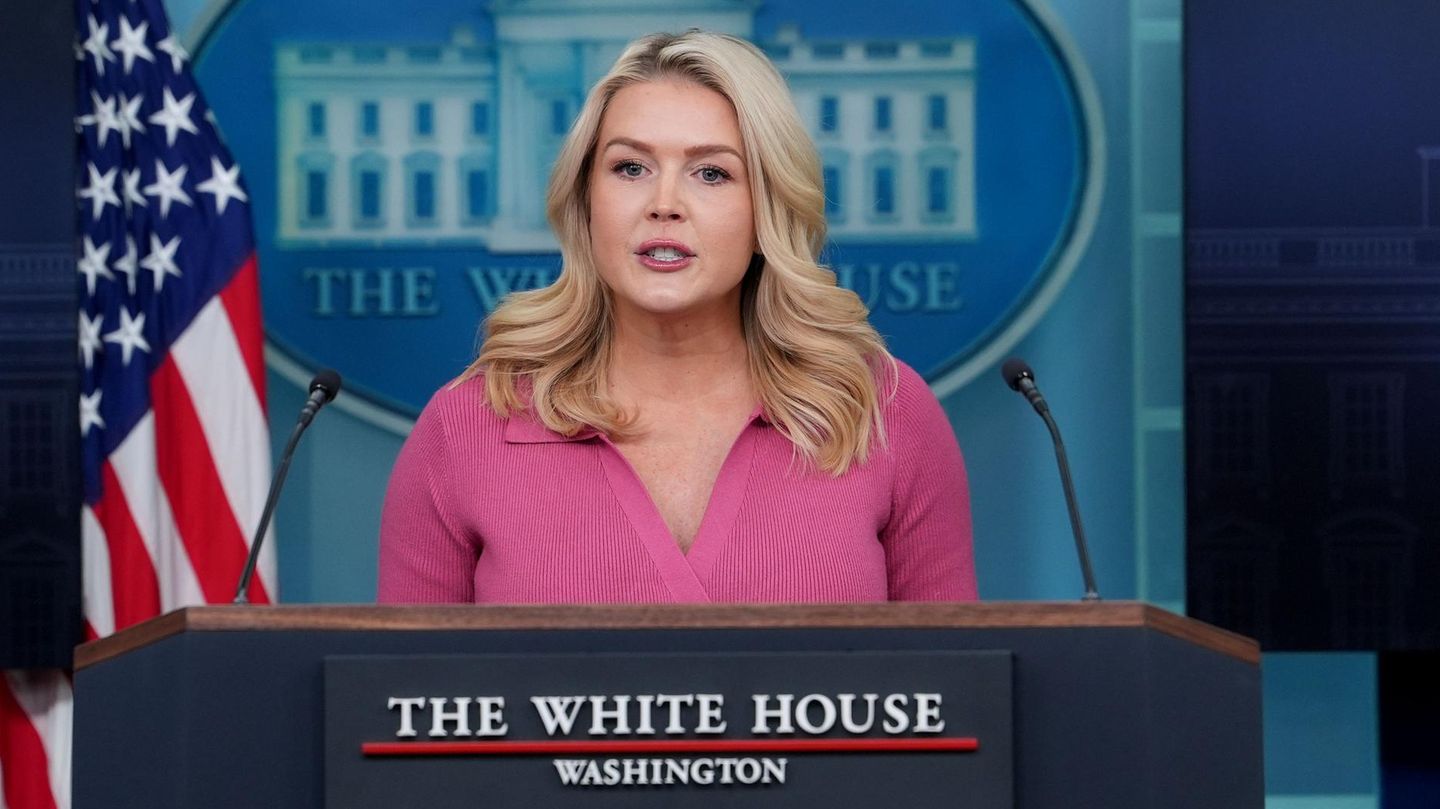
Erbil, Iraq – Reports alleging the United States is actively arming Kurdish forces in Iran to instigate an uprising against the Iranian government have been officially denied by the U.S. Administration. The denials come amidst escalating tensions in the Middle East, including recent strikes attributed to both the U.S. And Israel within Iranian territory, and following reports of a potential ground operation by Kurdish groups in western Iran. The situation remains fluid and complex, with multiple layers of geopolitical maneuvering at play.
The initial reports, circulating earlier this week, suggested the CIA was working to provide military support to Iranian Kurdish armed groups, who maintain a significant presence along the Iraq-Iran border, primarily within Iraq’s Kurdistan region. These groups, numbering in the thousands of fighters, have been increasingly vocal in their opposition to the Iranian government, with several issuing statements urging Iranian military personnel to defect. The alleged U.S. Support was framed as a means to pressure Tehran and potentially destabilize the regime, particularly in the wake of reported strikes that have targeted Iranian infrastructure and, according to some sources, high-ranking officials.
U.S. Denials and Shifting Strategies
U.S. Officials have refuted the claims of direct arming of Kurdish forces, though the extent of U.S. Involvement remains a subject of scrutiny. While denying the provision of weapons, the administration has acknowledged ongoing discussions with Iranian opposition groups and Kurdish leaders in Iraq. These discussions, according to sources, center around broader strategies to counter Iranian influence in the region and support potential avenues for political change within Iran. CNN reported that the CIA support for Iranian Kurdish groups began several months before the recent escalation of conflict.
The denial doesn’t necessarily preclude other forms of support, such as intelligence sharing or logistical assistance. Experts suggest the U.S. May be seeking to leverage the existing capabilities of Kurdish groups as a proxy force, capable of stretching Iranian security resources and creating internal pressure on the government. This strategy aligns with a broader U.S. Policy of attempting to contain Iran’s regional ambitions without direct military intervention. The potential for a ground operation by Kurdish forces in western Iran, as suggested by a senior Iranian Kurdish official, underscores the possibility of escalating conflict.
The Role of Iranian Kurdish Groups
Iranian Kurdish groups have a long history of opposition to the Iranian government, advocating for greater autonomy or independence for the Kurdish region within Iran. Several groups, including the Democratic Party of Iranian Kurdistan (KDPI), have maintained armed wings and engaged in sporadic clashes with Iranian security forces. The KDPI was reportedly targeted by the Islamic Revolutionary Guard Corps (IRGC) in recent days, highlighting the Iranian government’s sensitivity to Kurdish activism. The Independent notes that Kurdish militants would attack Iranian security forces, enabling Iran’s anti-government protesters and rebels to take to the streets.
The current geopolitical climate presents a unique opportunity for these groups. The ongoing conflict and the perceived vulnerability of the Iranian government have emboldened Kurdish factions to consider more assertive action. The expectation of U.S. And Israeli support, as expressed by a senior Iranian Kurdish official, further fuels this ambition. However, the risks are substantial. A direct confrontation with the IRGC could lead to a significant escalation of violence and potentially draw in other regional actors.
IRGC Response and Regional Implications
Iran’s Islamic Revolutionary Guard Corps (IRGC) has responded to the perceived threat by launching strikes against Kurdish positions in Iraq. These strikes, carried out with dozens of drones, demonstrate Iran’s determination to suppress Kurdish activism and prevent the establishment of a foothold for opposition groups along its border. The IRGC views Kurdish groups as a potential threat to national security and a tool for foreign interference. Times Now reported that the IRGC has been actively targeting Kurdish forces in response to their statements hinting at imminent action.
The potential for a wider regional conflict is a significant concern. Escalating tensions between Iran and the U.S., coupled with the involvement of Kurdish groups, could draw in other regional powers, such as Israel and Turkey, both of whom have their own interests and concerns regarding Kurdish movements. The situation is further complicated by the ongoing conflicts in Syria and Yemen, which already contribute to regional instability. The reported sinking of an Iranian warship off the coast of Sri Lanka, as reported by Tagesspiegel, adds another layer of complexity to the already volatile situation.
U.S. Strategy and Potential Risks
The U.S. Administration’s strategy appears to be focused on applying pressure on Iran through multiple channels, including economic sanctions, diplomatic isolation, and support for opposition groups. The alleged consideration of arming Kurdish forces represents a more assertive approach, aimed at creating internal instability and weakening the Iranian government’s ability to project power in the region. However, this strategy carries significant risks.
As noted in reports, a key concern is the potential for unintended consequences. Kurdish groups may have their own agendas, which may not align perfectly with U.S. Interests. Providing support to Kurdish groups could exacerbate tensions with Turkey, which views certain Kurdish factions as terrorist organizations. The U.S. Must carefully weigh the potential benefits of supporting Kurdish groups against the risks of escalating conflict and alienating key allies. The possibility of creating a buffer zone for Israel, as suggested by some sources, adds another layer of complexity to the equation.
The Question of U.S. Support
While U.S. Officials have denied directly arming Kurdish forces, President Trump did speak with Mustafa Hijri, the president of the Democratic Party of Iranian Kurdistan (KDPI), on Tuesday, according to a senior Iranian Kurdish official. This communication suggests a level of engagement with Kurdish leaders, even if it does not necessarily imply the provision of military aid. The KDPI, as previously mentioned, was among the groups targeted by the IRGC, further highlighting the sensitivity of the situation.
The U.S. Government’s position appears to be one of strategic ambiguity, maintaining open lines of communication with Kurdish groups while publicly denying direct military support. This approach allows the U.S. To exert influence without fully committing to a potentially risky course of action. However, it also leaves room for miscalculation and escalation, particularly if Kurdish groups interpret U.S. Signals as a green light for more aggressive action.
Key Takeaways:
- The U.S. Government has denied reports of directly arming Kurdish forces in Iran.
- Discussions are ongoing between U.S. Officials and Iranian opposition groups, including Kurdish leaders.
- The IRGC has responded to Kurdish activism with strikes against Kurdish positions in Iraq.
- The potential for a wider regional conflict remains a significant concern.
- The situation is fluid and requires careful monitoring and diplomatic engagement.
The coming days will be critical in determining the trajectory of the conflict. The anticipated ground operation by Kurdish forces in western Iran, if it materializes, could significantly escalate tensions and draw in other regional actors. The U.S. Government will continue to monitor the situation closely and assess its options for responding to Iranian aggression and supporting regional stability. Further updates are expected following a scheduled meeting of the UN Security Council next week to discuss the escalating tensions in the Middle East.
What are your thoughts on the U.S. Role in the region? Share your comments below and let us know what you think. Don’t forget to share this article with your network to keep the conversation going.
Keep reading