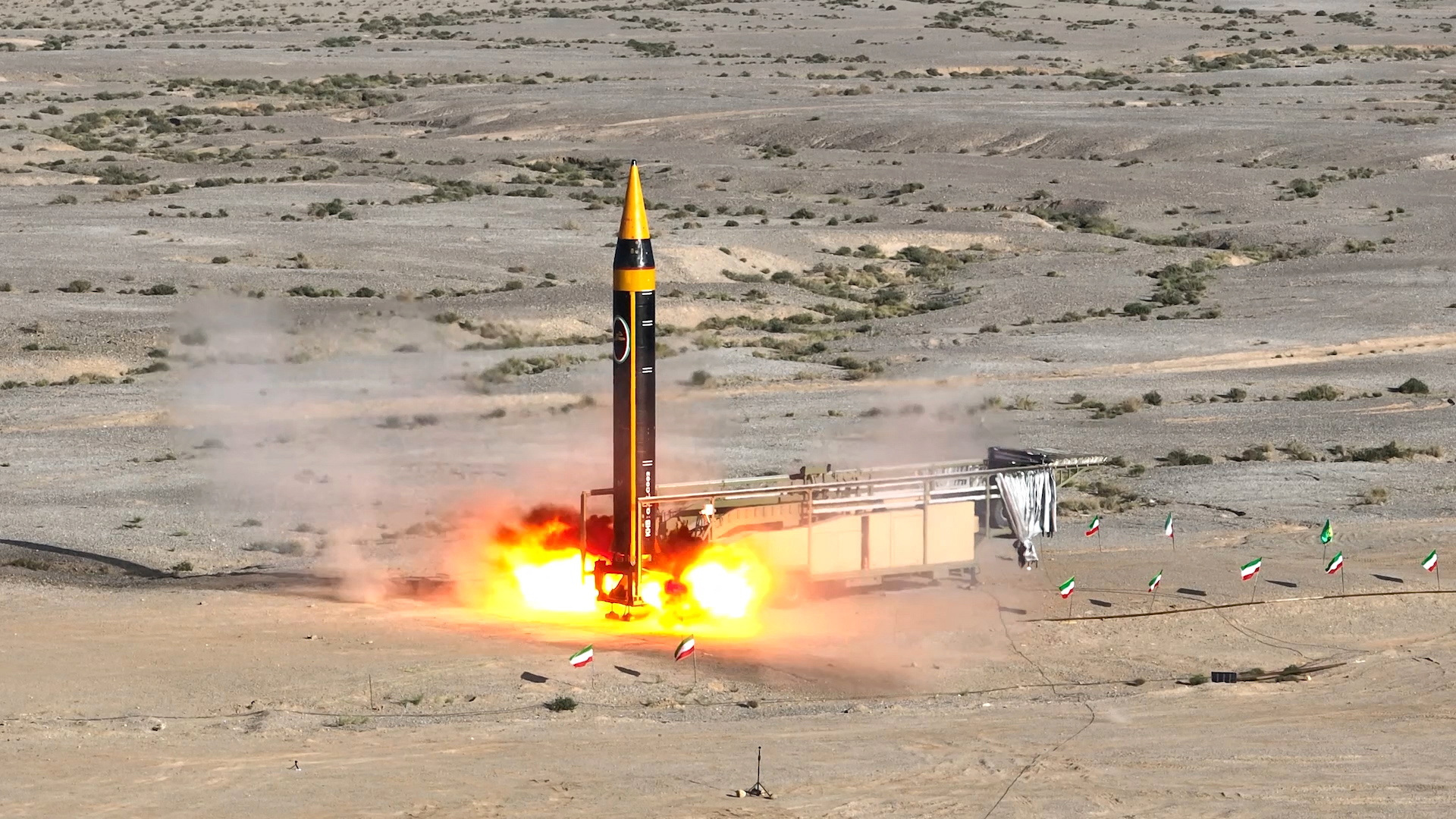
The security landscape across the Middle East remains in a state of high alert as geopolitical tensions escalate, following a series of military exchanges that have drawn sharp international concern. As observers monitor the situation, the core issue of regional stability is being tested by shifting military posturing and the fragility of ongoing diplomatic efforts. For those tracking the Iran war live updates, the current environment is defined by a cycle of retaliatory actions that threaten to complicate already stalled negotiations regarding regional security architectures.
In recent days, the U.S. Military and Iranian forces have engaged in what appears to be a heightened phase of strategic maneuvering. While reports of specific ballistic missile trajectories toward regional allies like Kuwait have surfaced, these claims are being analyzed by intelligence agencies to determine the scope of the threat. The Islamic Revolutionary Guard Corps (IRGC) has publicly characterized recent operations as a direct response to preceding strikes, framing their actions within a narrative of deterrence. These developments are not occurring in a vacuum; they represent a significant departure from the diplomatic channels that have historically served to de-escalate U.S.-Iran relations.
The Mechanics of Escalation and Regional Stability
To understand the gravity of the current situation, one must look at the structural tensions that have defined the relationship between Washington and Tehran for decades. The reliance on ballistic missile technology as a tool of statecraft has long been a point of contention. According to the Center for Strategic and International Studies (CSIS), Iran’s regional missile capabilities are designed to offset its conventional air force limitations, making them a central pillar of their defense strategy. When these assets are deployed or threatened to be deployed, the risk of miscalculation increases exponentially.
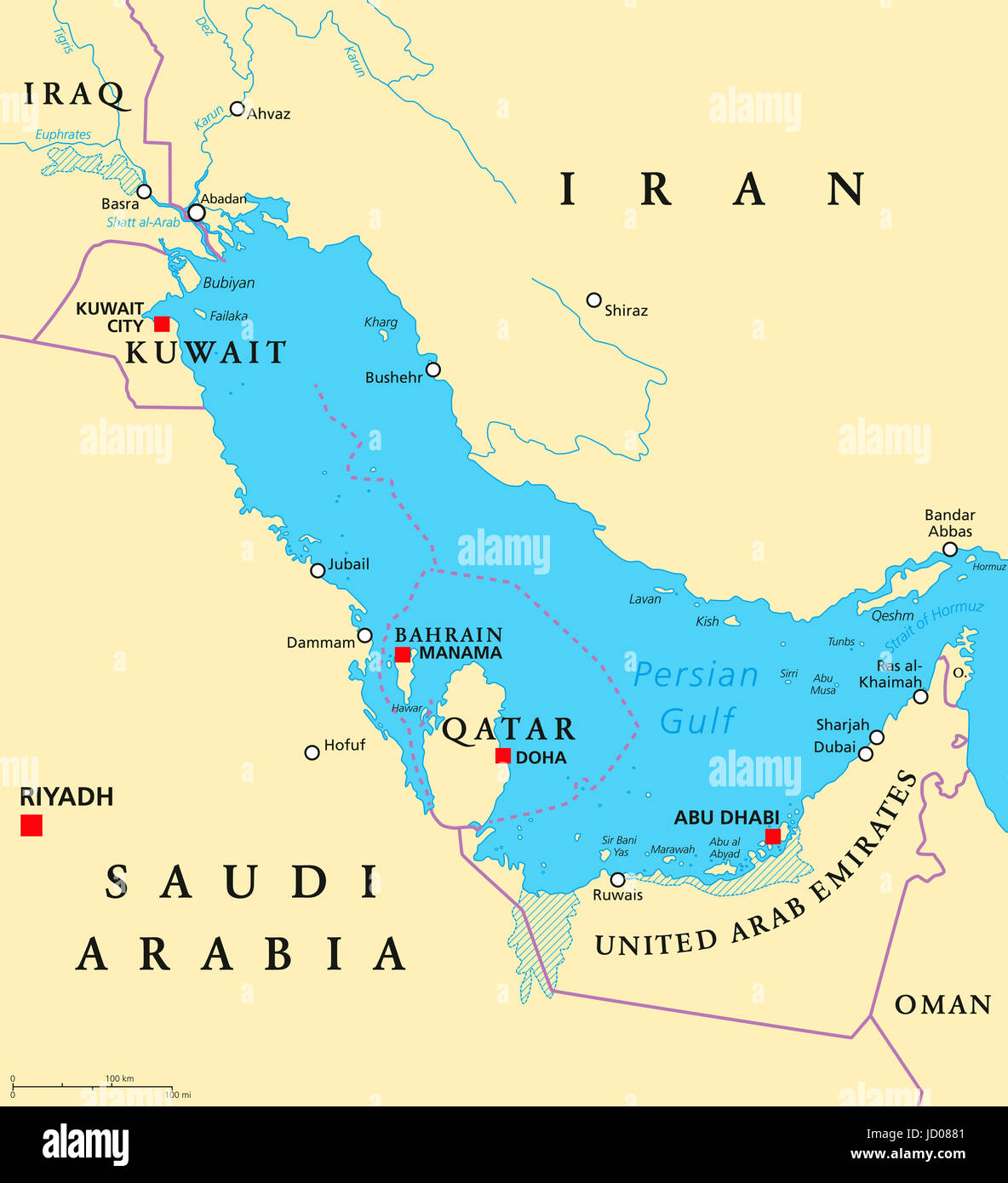
The U.S. Department of Defense maintains a robust footprint in the Persian Gulf, with bases in nations such as Kuwait, Qatar, and Bahrain. These installations are critical for regional security, yet they also serve as focal points during times of heightened friction. When the IRGC claims to target such facilities, it triggers a cascade of defensive responses, including the activation of Patriot missile defense systems and the repositioning of naval assets, as noted in recent U.S. Department of Defense briefings. This “tit-for-tat” dynamic is exactly what international mediators have spent years trying to avoid, as it leaves little room for the nuance required in high-stakes diplomacy.
What Which means for Diplomatic Negotiations
The prospect of a return to meaningful dialogue—often referred to as the “JCPOA track” by those familiar with the 2015 nuclear agreement—seems increasingly distant as military strikes become the primary language of interaction. When both sides prioritize kinetic action, the space for civil servants and special envoys to conduct quiet diplomacy shrinks. The humanitarian and economic implications for the region are profound, as trade routes in the Strait of Hormuz and local infrastructure are often the indirect victims of these geopolitical games.
For the average citizen, the uncertainty creates an environment of anxiety. Businesses operating in the region are often forced to implement contingency plans, and regional markets frequently react to the volatility of oil prices, which are highly sensitive to any disruption in the Gulf. The international community, led by the United Nations and various European diplomatic missions, continues to call for restraint, yet the effectiveness of these appeals is hampered by the lack of a formal, direct communication channel between the primary actors.
Key Takeaways: Navigating the Current Crisis
- Strategic Deterrence vs. Escalation: Both the U.S. And Iran are utilizing military posturing to project strength, creating a cycle that risks unintended conflict.
- Geopolitical Impact: The security of regional energy infrastructure and maritime shipping lanes remains the most immediate concern for the global economy.
- Diplomatic Stagnation: Current military activities have effectively sidelined formal negotiations, making a return to the table hard in the short term.
- Defense Posture: U.S. Forces in the region remain on high alert, with defensive systems continuously monitored to counter potential ballistic threats.
Looking Ahead: The Next Checkpoints
As we move forward, the focus shifts to the next series of official updates from central commands and international monitoring bodies. The United Nations Security Council is expected to hold briefings regarding regional stability, where member states will likely debate the implications of recent cross-border incidents. Intelligence assessments from the Office of the Director of National Intelligence (ODNI) will provide further clarity on the technical aspects of the missile launches reported by regional observers.
The situation remains fluid. We encourage our readers to monitor official government advisories and verified international press outlets for the latest developments. As this story continues to evolve, we will provide ongoing analysis of the geopolitical shifts shaping our world. We invite you to join the conversation in the comments section below—how do you perceive the role of international mediation in de-escalating these tensions? Your perspective is a vital part of our global reporting mission.
Related reading