
Iran has launched a groundbreaking—and controversial—new system for collecting transit tolls in the Strait of Hormuz, the world’s most critical maritime chokepoint for global oil and gas supplies. Beginning in mid-March 2026, vessels navigating the strait must now pay fees of up to $2 million per transit, settled exclusively in cryptocurrency—primarily Bitcoin and yuan-backed digital assets. This marks the first time a sovereign nation has integrated blockchain-based payments into a major state-run toll infrastructure, raising urgent questions about financial sovereignty, sanctions evasion, and the future of global trade logistics.
The system, reportedly dubbed “Hormuz Safe” by industry observers, is administered by Iran’s Islamic Revolutionary Guard Corps (IRGC) and operates outside traditional banking channels. While the exact technical architecture remains undisclosed, the move aligns with Iran’s broader strategy to bypass U.S. Sanctions by leveraging cryptocurrencies and alternative payment rails. Analysts estimate the new tolls could generate $600–800 million monthly if liquefied natural gas (LNG) carriers are included—a figure that underscores the strait’s economic leverage. With 25% of global seaborne oil and 20% of liquefied natural gas transiting the Hormuz corridor annually, the financial implications ripple across energy markets, shipping insurers, and geopolitical alliances.
Yet the system’s operational details—including the identity of the cryptocurrency intermediary, the precise conversion rates for Bitcoin to yuan, and the enforcement mechanisms for non-compliance—remain shrouded in secrecy. This opacity has sparked concerns among maritime insurers, who now face unprecedented risks in underwriting vessels that may encounter unprecedented payment disputes or regulatory gray areas. Meanwhile, the IRGC’s decision to accept cryptocurrency payments reflects a calculated gambit: by circumventing the U.S. Dollar-dominated SWIFT network, Iran aims to insulate its revenue streams from secondary sanctions while testing the limits of global financial compliance.
Why the Strait of Hormuz Matters: A Geopolitical Flashpoint
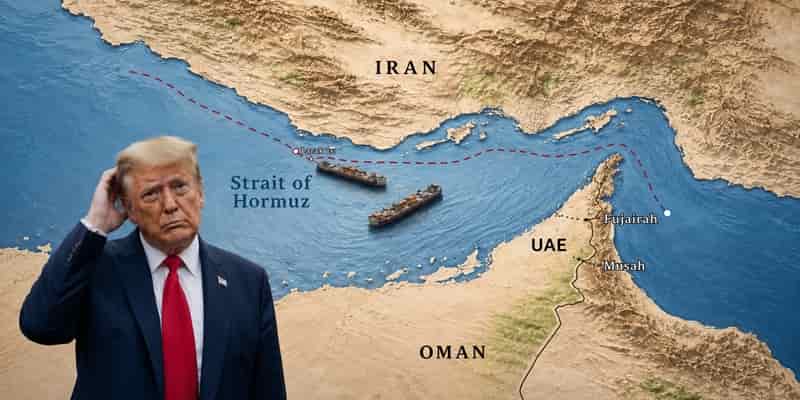
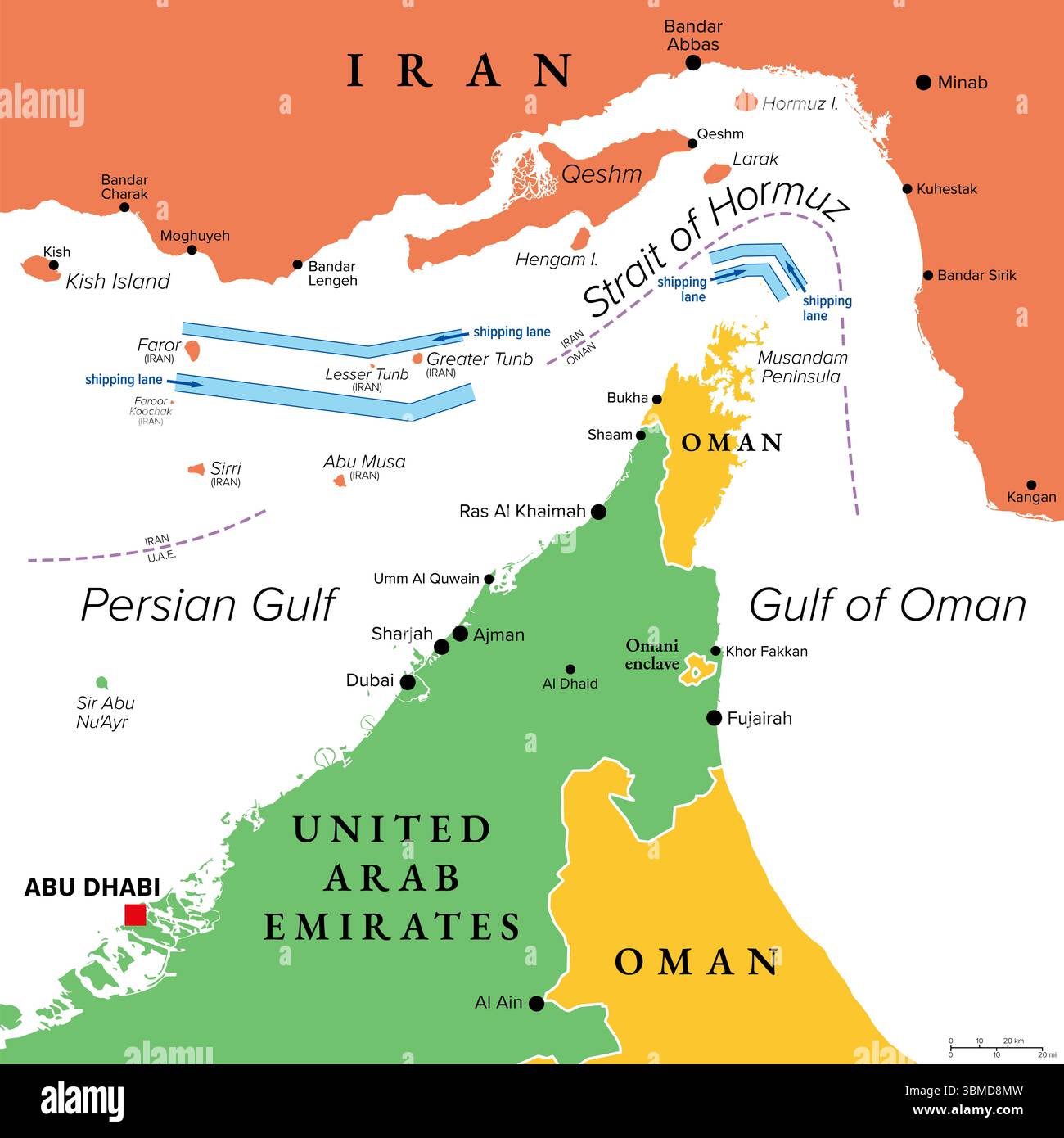
The Strait of Hormuz is not just a critical shipping lane—it is the linchpin of global energy security. Stretching just 21 nautical miles at its narrowest point, the strait connects the Persian Gulf to the Gulf of Oman, serving as the sole maritime exit for six Gulf Cooperation Council (GCC) nations, including Saudi Arabia, Kuwait, and the UAE. Disruptions here have historically triggered oil price spikes, supply chain bottlenecks, and even military interventions. For example, tensions in 2019 led to a temporary 50% drop in tanker traffic, causing Brent crude to surge by 20% in weeks.
Today, the strait’s strategic importance is magnified by Iran’s Hormuz Safe initiative. By demanding crypto payments, Tehran is forcing shipping companies to navigate a regulatory minefield: complying with Iranian demands risks triggering U.S. Sanctions under the Iran Sanctions Act, while refusing to pay could lead to IRGC seizures or delays. “This is a high-stakes game of chicken,” said Dr. Ali Vaez, director of the Iran Project at the International Crisis Group. “Iran is betting that the economic cost of non-payment—delayed shipments, higher insurance premiums—will outweigh the legal risks for most carriers.”
How Hormuz Safe Works: A Blockchain Backdrop
The technical mechanics of Hormuz Safe remain unclear, but industry reports suggest the system relies on a hybrid model: vessels must pre-load digital wallets with Bitcoin or yuan-backed stablecoins before entering Iranian territorial waters near Qeshm Island, where IRGC patrols monitor compliance. Payments are processed through an unidentified intermediary, likely a sanctioned entity or a front company, to obscure the financial trail. “The lack of transparency is by design,” noted Sarah Riccardi, a sanctions compliance expert at TRM Labs. “Iran is exploiting the pseudonymous nature of crypto to obscure the flow of funds, making it harder for Western financial intelligence units to track.”
Critically, the system avoids traditional banking by settling transactions on decentralized ledgers, bypassing the SWIFT network and correspondent banks. This approach mirrors Iran’s earlier experiments with crypto payment rails for oil exports, though those efforts were largely abandoned due to volatility and regulatory pushback. The IRGC’s use of Bitcoin—rather than Iran’s own rial-backed stablecoin—may reflect a pragmatic choice: Bitcoin’s liquidity and global acceptance reduce the risk of failed transactions, even as its price fluctuations introduce new variables for shipping companies.
For now, the system operates in parallel with Iran’s existing toll structure, which historically relied on cash payments or bank transfers. However, the IRGC has signaled that crypto payments will become mandatory for all vessels exceeding a certain tonnage, with enforcement escalating in phases. “This is a phased rollout,” confirmed a source familiar with the matter, speaking on condition of anonymity. “The IRGC is testing the waters—literally—before making crypto payments the default for all transits.”
Who Wins and Who Loses in Iran’s Crypto Gambit
The Hormuz Safe initiative creates winners and losers across the global economy:
- Iran: Gains immediate revenue while testing sanctions evasion tactics. The IRGC’s ability to collect tolls in crypto also reduces vulnerability to asset freezes by Western governments.
- Shipping Companies: Face higher operational costs, insurance premium spikes, and legal risks. Major carriers like Maersk and MSC have not yet commented on their compliance strategies.
- Energy Markets: Potential delays or disputes could tighten supply chains, pushing oil prices higher. Analysts at BloombergNEF warn that even minor disruptions could add $2–5 per barrel to global crude costs.
- Cryptocurrency Exchanges: May see increased demand for Bitcoin-yuan liquidity pairs as shipping firms scramble to meet payment requirements.
- Insurance Underwriters: Now must assess new risks, including the possibility of IRGC seizures if payments are delayed or disputed.
One group that stands to lose the most is Oman, whose territorial waters host the strait’s primary shipping lanes. Oman has historically maintained neutrality in regional disputes, but the IRGC’s unilateral crypto tolls could force Muscat to take a harder line on maritime security. “Oman cannot afford to be seen as complicit in Iran’s sanctions-busting schemes,” said Dr. Abdulla Al-Ruzaiqi, a maritime law expert at Sultan Qaboos University. “This could lead to a diplomatic standoff over jurisdiction.”
What Happens Next: The Road Ahead
The Hormuz Safe system’s long-term viability hinges on three critical factors:
- Enforcement: Will the IRGC seize vessels that refuse to pay in crypto? Early reports suggest selective detentions have already occurred, but large carriers may push back.
- Sanctions Pressure: The U.S. Treasury’s Office of Foreign Assets Control (OFAC) has yet to comment, but leaks suggest internal debates over whether to designate the crypto intermediary as a sanctions target.
- Market Adaptation: Will shipping firms integrate crypto payments into their logistics systems, or will they lobby for alternative solutions?
For now, the IRGC appears undeterred. In a statement released April 7, 2026, the organization reaffirmed that tolls would remain in effect despite a Pakistan-brokered ceasefire with regional rivals. “The Strait of Hormuz is Iranian territory,” the statement read. “Our sovereignty extends to our economic policies.”
Key Takeaways
- First of Its Kind: Iran’s Hormuz Safe system is the first state-run crypto toll infrastructure, blending blockchain with geopolitical leverage.
- Sanctions Evasion: By accepting Bitcoin and yuan, Iran bypasses U.S. Dollar-based payment rails, testing the limits of global financial compliance.
- Energy Market Risks: Potential disruptions could tighten oil supplies, pushing prices higher and straining global logistics.
- Uncertain Enforcement: The IRGC’s willingness to seize non-compliant vessels remains untested at scale.
- Oman’s Dilemma: The neutral Gulf state may face pressure to intervene as Iran’s crypto tolls challenge maritime norms.
- Insurance Industry on Alert: Underwriters are scrambling to assess new risks, including crypto-related payment disputes.
FAQ: What You Need to Know
Q: Can shipping companies refuse to pay in crypto?
A: Technically, yes—but refusing could lead to delays, higher insurance costs, or IRGC seizures. Most carriers are likely to comply to avoid disruptions.
Q: Will this affect oil prices?
A: Analysts expect minor volatility, with potential $2–5 per barrel increases if disruptions occur. Long-term impacts depend on market adaptation.
Q: Is this legal under international law?
A: The UN Convention on the Law of the Sea (UNCLOS) governs the strait, but Iran’s crypto tolls raise questions about sanctions compliance for foreign firms.
Q: How can I track updates on Hormuz Safe?
A: Monitor statements from the IRGC, OilPrice.com, and Reuters Energy for real-time developments.
Q: What should shipping firms do now?
A: Consult legal and insurance advisors to assess compliance risks. Some firms may explore Bank for International Settlements (BIS) payment alternatives or lobby for diplomatic solutions.
Next Steps: What to Watch For
The next critical checkpoint is June 2026, when the IRGC is expected to finalize its enforcement protocols for Hormuz Safe. Key events to monitor include:
- An official IRGC statement on seizure policies for non-compliant vessels.
- A potential U.S. Treasury response, including sanctions designations for the crypto intermediary.
- Oman’s official stance on the tolls, which could influence regional stability.
- Industry reports on oil price movements linked to strait disruptions.
As the world’s first state-backed crypto toll system, Hormuz Safe is more than a logistical innovation—it’s a geopolitical experiment with far-reaching implications. For shipping firms, energy traders, and policymakers alike, the stakes could not be higher. The question now is whether Iran’s bold move will reshape global trade—or trigger a backlash that forces a rapid retreat.
What are your thoughts on Iran’s crypto tolls? Will this change the future of maritime payments, or is it a temporary blip? Share your insights in the comments below, and don’t forget to follow World Today Journal for ongoing coverage.
Related reading