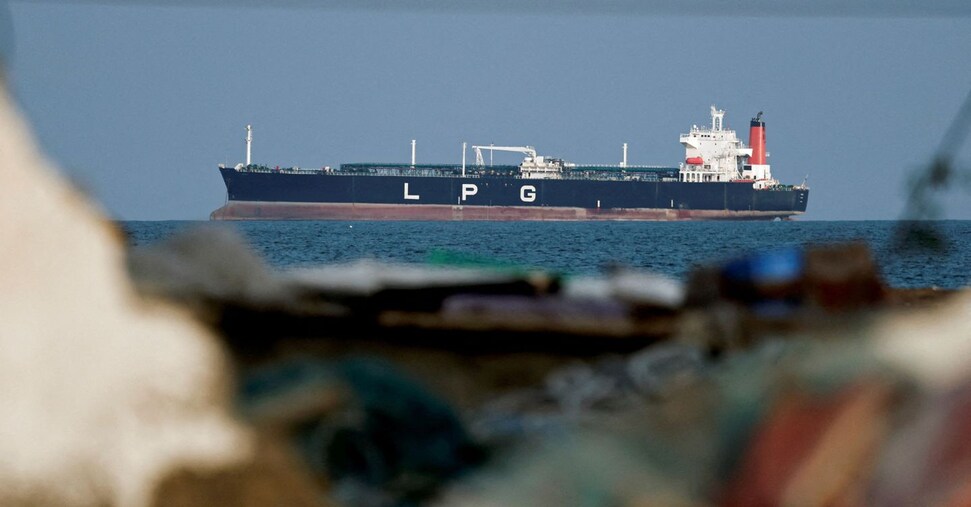
The escalating tensions in the Middle East, following recent exchanges between Iran and Israel, are prompting a recalibration of military postures in the region. Even as France maintains its naval presence in the Eastern Mediterranean, it has reaffirmed its commitment to a defensive strategy, resisting calls for a broader deployment to the Strait of Hormuz. This comes as international concerns mount over the potential for a wider conflict, with the United States and its allies seeking to de-escalate the situation and protect critical shipping lanes.
The current crisis was ignited by an attack on the Iranian consulate in Damascus on April 1st, which Iran has blamed on Israel. In response, Iran launched a barrage of drones and missiles towards Israel on Saturday, April 13th, most of which were intercepted by Israeli air defenses and assistance from the United States, the United Kingdom, and Jordan. Further missile launches from Iran towards Israel were reported on Sunday, April 14th, with Israel’s defense systems again responding to the threat. These events have underscored the fragility of regional stability and prompted a flurry of diplomatic activity aimed at preventing further escalation. The situation remains highly volatile, with the potential for miscalculation and unintended consequences.
France Maintains Mediterranean Focus, Resists Calls for Hormuz Deployment
Despite a request from U.S. President Donald Trump for several nations to contribute warships to the Strait of Hormuz to ensure maritime security, France has decided to maintain its aircraft carrier, the Charles de Gaulle, in the Eastern Mediterranean. The French Ministry for Europe and Foreign Affairs stated that Paris’s position on the situation in the Middle East remains defensive in nature. This decision was communicated even after Trump’s call for contributions from countries including China, Japan, South Korea, the United Kingdom, and others.
French Defense Minister Catherine Vautrin had previously indicated on March 28th, 2026, that France did not foresee deploying warships to the Strait of Hormuz amidst the escalating regional tensions. This stance reflects a deliberate strategy of focusing on defensive measures and protecting allied assets, rather than engaging in a more proactive, potentially escalatory, deployment to the Persian Gulf. The Charles de Gaulle, France’s sole aircraft carrier, is equipped with Rafale fighter jets, air-defense systems, and airborne radar systems, bolstering its capacity for regional defense.
Iran-Israel Conflict and International Responses
The recent escalation follows a period of heightened tensions between Iran and Israel, fueled by Iran’s nuclear program, its ballistic missile capabilities, and its support for regional proxies. President Macron has acknowledged the primary responsibility of the Islamic Republic of Iran in the current situation, while similarly noting that military operations conducted by the United States and Israel against Iran were not approved by France. However, Macron emphasized France’s willingness to take defensive action to counter Iran’s ability to launch missiles and drones.
French forces have already engaged in intercepting drones “in legitimate self-defense in the very first hours of the conflict,” according to Macron, protecting the airspace of allies who, he stated, “can rely on us.” He did not provide further details regarding these engagements. This action demonstrates France’s commitment to regional security and its willingness to defend its allies, even while maintaining a cautious approach to broader military involvement. The conflict has prompted a reassessment of security strategies across the region, with nations seeking to protect their interests and prevent further escalation.
South Korea Considers Response to Trump’s Request
Alongside the French position, South Korea is also evaluating its response to President Trump’s request for naval contributions to the Strait of Hormuz. While Seoul has not yet made a definitive decision, the matter is under careful consideration, taking into account the potential risks and benefits of such a deployment. The Strait of Hormuz is a critical waterway for global oil supplies, and any disruption to shipping lanes could have significant economic consequences. South Korea, a major importer of oil, has a vested interest in maintaining stability in the region.
The decision facing South Korea is complicated by its existing security commitments and its relationships with both the United States and Iran. A deployment to the Strait of Hormuz could be seen as a provocative act by Iran, potentially escalating tensions further. Seoul is likely to weigh these factors carefully before making a final determination. The situation highlights the complex geopolitical dynamics at play in the Middle East and the challenges facing nations seeking to navigate the crisis.
Hezbollah and Israeli Strikes in Lebanon
Adding another layer of complexity to the regional conflict, Israel has reported striking targets in Lebanon, specifically targeting centers of the Hezbollah militant group in Beirut. The Israel Defense Forces (IDF) claim to have destroyed command centers belonging to Hezbollah’s Radwan Force, alleging these centers were used to plan and execute attacks against Israel. Israeli forces reported striking multiple rocket launch positions in the al-Qatrani area of southern Lebanon, claiming they were preparing for an “imminent” attack. The Times of Israel reported on these developments, highlighting the escalating tensions along the Israel-Lebanon border.
These strikes underscore the potential for the conflict to expand beyond Iran and Israel, drawing in other regional actors. Hezbollah, a powerful Iranian-backed militant group, has a long history of conflict with Israel and possesses a significant arsenal of rockets and missiles. Any further escalation along the Israel-Lebanon border could have serious consequences for regional stability. The situation remains fluid and unpredictable, with the potential for further military engagements.
The Broader Implications for Regional Security
The current crisis in the Middle East has far-reaching implications for regional and global security. The potential for a wider conflict, involving multiple actors and escalating levels of violence, is a major concern. The disruption of oil supplies through the Strait of Hormuz could have significant economic consequences, impacting global energy markets and potentially triggering a recession.
The crisis also underscores the limitations of diplomatic efforts to resolve the underlying tensions in the region. Despite ongoing attempts to mediate between Iran and its adversaries, a lasting solution remains elusive. The lack of trust between the parties, coupled with conflicting interests and competing geopolitical agendas, makes it difficult to achieve a breakthrough. The international community faces a significant challenge in preventing further escalation and promoting a peaceful resolution to the crisis.
The deployment of the Charles de Gaulle to the Eastern Mediterranean, while not directly addressing the situation in the Strait of Hormuz, demonstrates France’s commitment to regional stability and its willingness to defend its allies. The decisions of other nations, such as South Korea, regarding potential naval deployments will also play a crucial role in shaping the future of the crisis. The coming days and weeks will be critical in determining whether the region can avoid a wider conflict and return to a path of de-escalation.
As the situation continues to evolve, further updates and assessments will be crucial. The French government is expected to provide further details on its military posture in the coming days, and the international community will continue to monitor the situation closely. The focus remains on preventing further escalation and protecting regional stability.
Key Takeaways:
- France is maintaining its aircraft carrier, the Charles de Gaulle, in the Eastern Mediterranean, resisting calls to deploy to the Strait of Hormuz.
- South Korea is considering its response to a request from the United States for naval contributions to the Strait of Hormuz.
- Israel has conducted strikes against Hezbollah targets in Lebanon, escalating tensions along the Israel-Lebanon border.
- The crisis highlights the fragility of regional stability and the potential for a wider conflict.
The situation in the Middle East remains highly dynamic. We will continue to provide updates as they become available. Share your thoughts and perspectives on this critical issue in the comments below.
Related reading