
The Iran nuclear deal—the 2015 Joint Comprehensive Plan of Action (JCPOA)—has long been a flashpoint in global diplomacy, a fragile accord that has repeatedly teetered on the edge of collapse and revival. Now, in May 2026, the JCPOA finds itself in another precarious moment, caught between geopolitical tensions, shifting administrations, and the unrelenting pressure of sanctions. What began as a landmark agreement to curb Iran’s nuclear ambitions has become a symbol of the broader struggle between diplomacy and deterrence, a negotiation that refuses to stay buried for long.
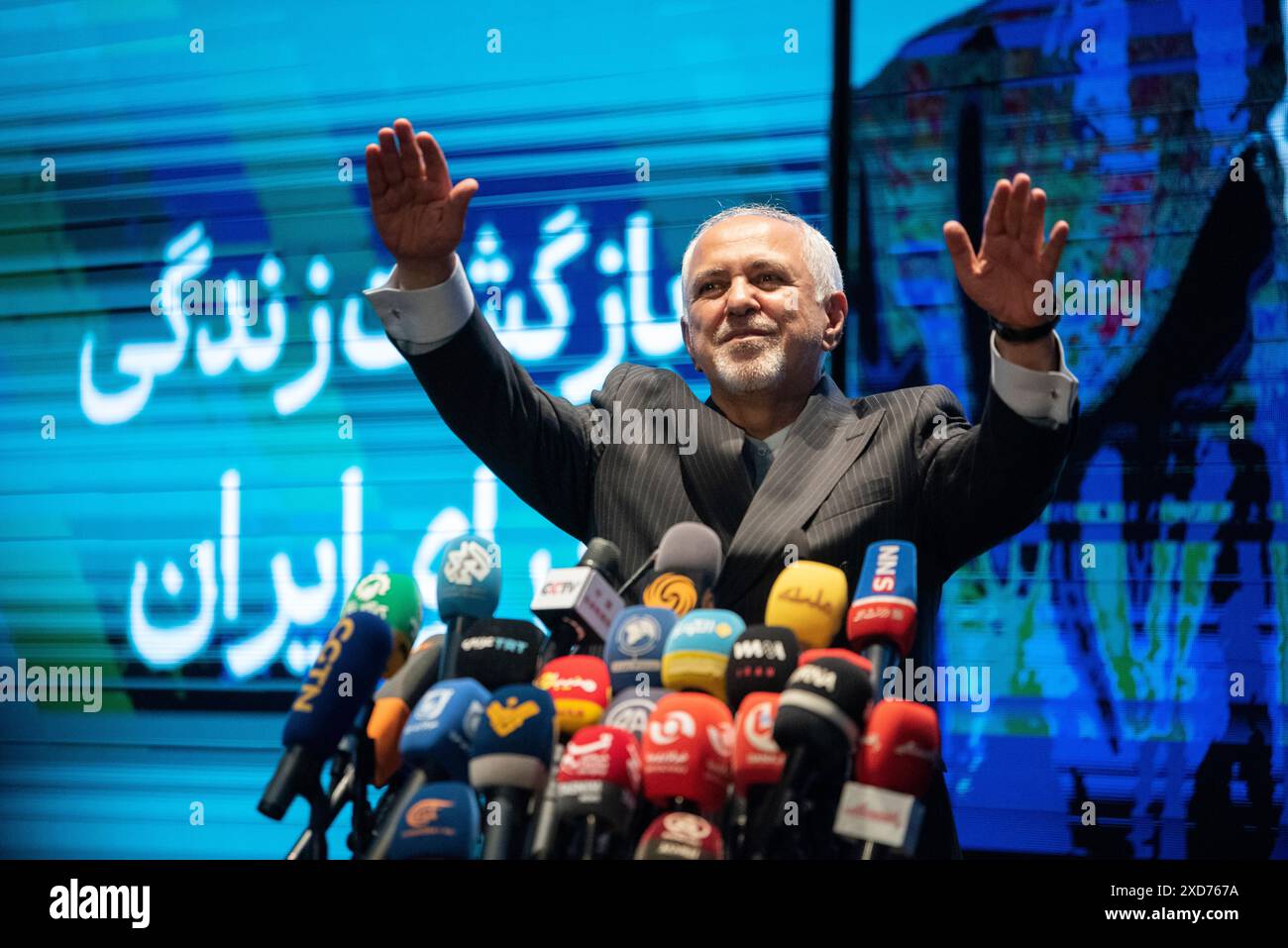
Mohammad Javad Zarif, Iran’s former foreign minister and architect of the JCPOA, remains a central figure in this saga. As negotiations inch forward—amidst a backdrop of renewed U.S.-Iran tensions in the Gulf—Zarif’s voice continues to resonate in diplomatic circles. His recent op-eds in Foreign Affairs, including pieces published as recently as December 2024, underscore Tehran’s willingness to engage, even as the U.S. Maintains a posture of cautious skepticism. The question now is whether this latest round of talks will yield a durable agreement—or whether the deal will once again slip into the shadows, only to reemerge when the political winds shift.
What is clear is that the JCPOA’s fate is no longer a matter of if it will resurface, but when—and under what terms. With U.S. Presidential elections looming in 2024, the stakes could not be higher. A Republican victory might bring a return to the “maximum pressure” strategy of the Trump era, while a Democratic administration could signal a renewed push for diplomacy. Meanwhile, Iran’s nuclear program continues to advance, and regional conflicts in the Gulf cast a long shadow over any potential revival of the deal. The stage is set for another act in this high-stakes drama.
The JCPOA’s Rollercoaster: From Collapse to Potential Revival
The JCPOA was never meant to be a permanent solution, but a temporary freeze on Iran’s nuclear ambitions in exchange for sanctions relief. When former U.S. President Donald Trump withdrew from the deal in 2018 and reimposed crippling sanctions, Iran responded by gradually violating the agreement’s limits on uranium enrichment. By 2019, Tehran had enriched uranium to levels far beyond what the JCPOA permitted, and the cycle of mutual recrimination began anew.
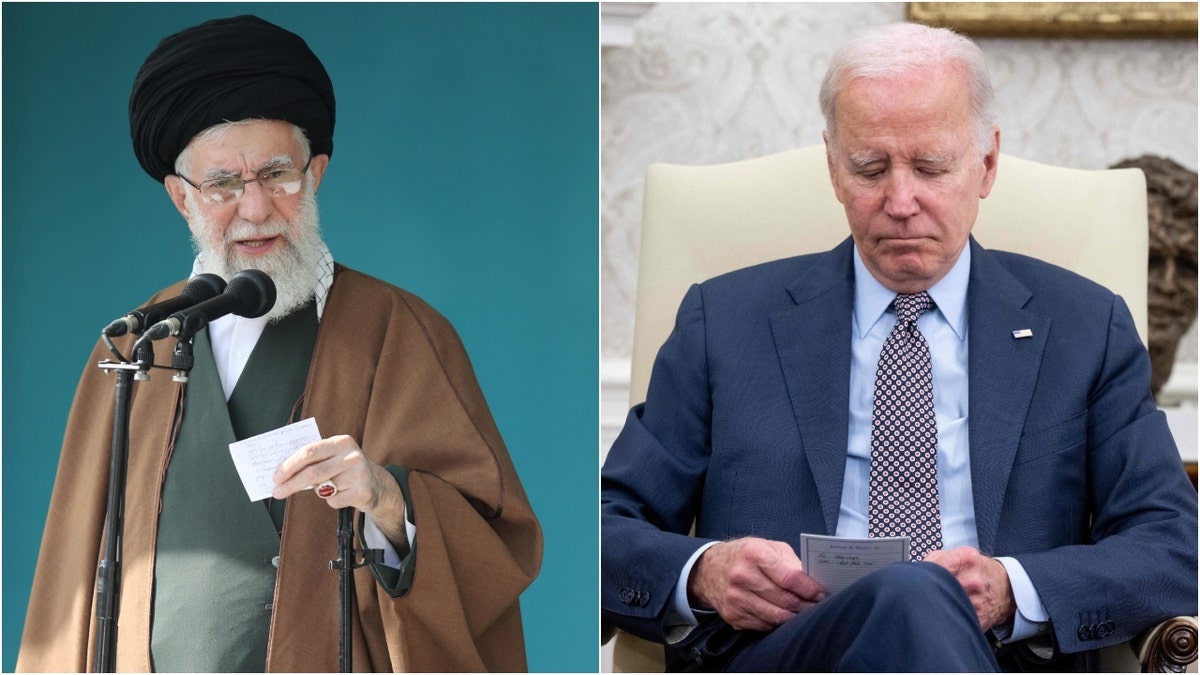
Yet, as history has shown, the JCPOA has a habit of disappearing—and then reappearing. In 2021, during the final days of the Biden administration, indirect talks in Vienna nearly restored the deal, only for it to collapse under the weight of last-minute demands. Now, in 2026, the stage is set for another attempt. The difference this time? The political landscape has shifted. With Trump’s potential return to the White House—and his stated opposition to any revival of the JCPOA—Tehran may be racing against the clock.
Zarif’s recent diplomatic overtures, including a public appeal to Trump to restart negotiations, highlight Iran’s strategic gamble. The message is clear: Tehran is willing to negotiate, but only if the U.S. Is willing to meet it halfway. The question remains whether Washington, divided between hawks and doves, can muster the political will to do so.
Why the JCPOA Matters—And Why It Keeps Failing
The JCPOA was designed to prevent Iran from acquiring a nuclear weapon while easing international sanctions. In return, Iran agreed to strict limits on its nuclear program, including reducing its stockpile of enriched uranium and halting construction on key facilities. For years, international inspectors confirmed Iran’s compliance, and the deal appeared to be working—until it wasn’t.
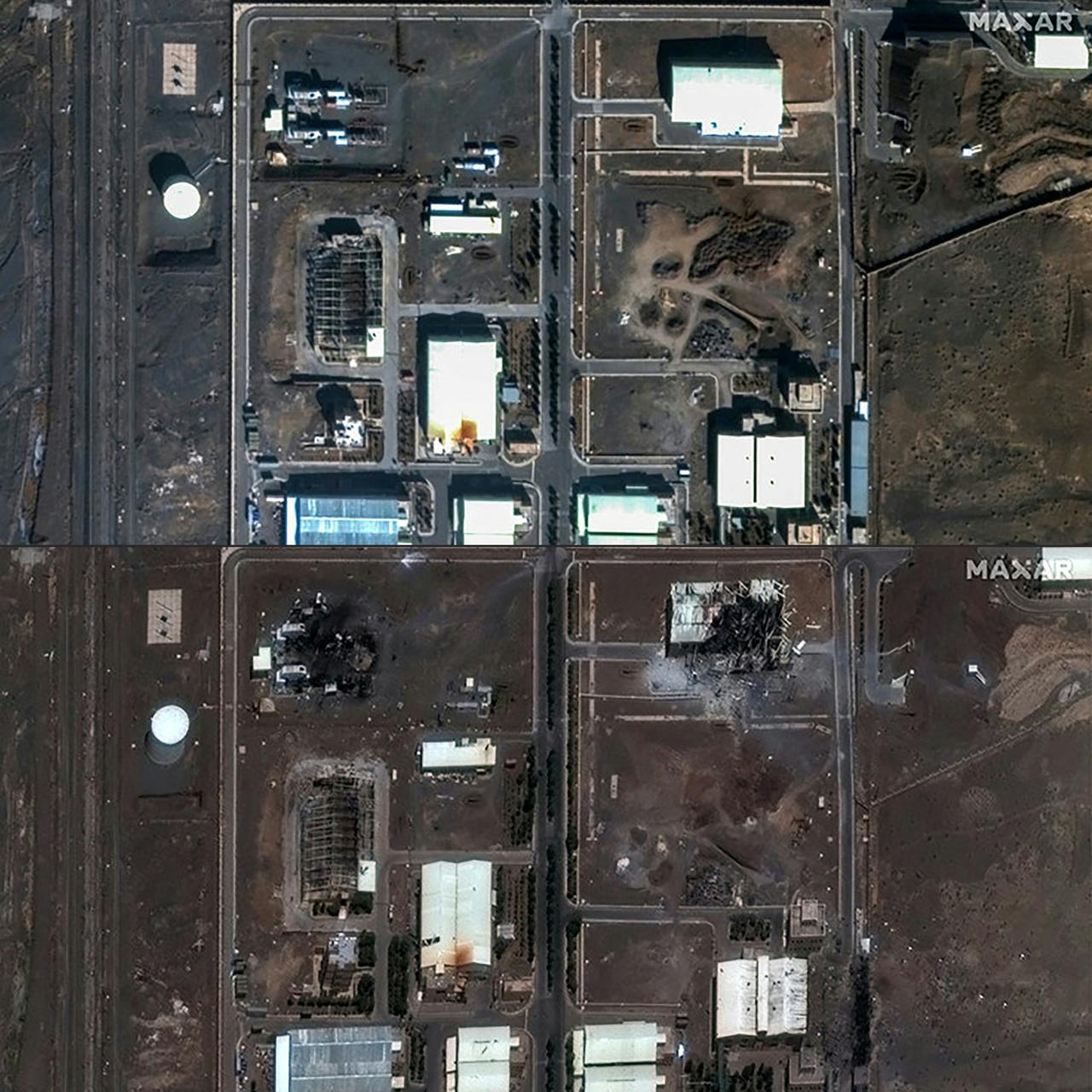
Today, the deal’s revival hinges on three critical factors:
- Sanctions relief: Iran demands the lifting of U.S. Sanctions, particularly those targeting its oil exports and financial sector. Without this, Tehran has little incentive to rein in its nuclear program.
- U.S. Political will: A Trump presidency would likely scuttle any revival, while a Biden administration—or a successor—might pursue a more diplomatic path.
- Regional stability: Escalating tensions in the Gulf, including attacks on shipping and proxy conflicts, create an environment where diplomacy is increasingly difficult.
The JCPOA’s failure to date can be attributed to a combination of mistrust, shifting U.S. Policy, and Iran’s refusal to accept new demands. When the Trump administration demanded that Iran make additional concessions—such as ending its missile program and ceasing support for regional proxies—the deal effectively died. Iran’s response? A slow but steady expansion of its nuclear capabilities, bringing it closer to a potential weapons program.
Stakeholders: Who Wins and Who Loses?
The JCPOA’s revival would have far-reaching consequences, affecting not just Iran and the U.S. But also regional powers like Israel, Saudi Arabia, and Russia. Here’s how the key players stand to gain—or lose—if the deal is restored:
- Iran: A restored JCPOA would provide much-needed economic relief, but only if sanctions are fully lifted. Without this, Iran’s economy remains under severe strain, and its nuclear program continues to advance.
- United States: The Biden administration—or a future U.S. Leader—faces a dilemma. Restoring the JCPOA could be seen as a diplomatic victory, but critics argue it rewards Iran without securing meaningful concessions. A Trump return would likely abandon diplomacy entirely.
- Israel: Jerusalem views Iran’s nuclear program as an existential threat. While Israel has not publicly opposed a revival of the JCPOA, its intelligence agencies have long argued that the deal does not go far enough in curbing Iran’s long-term ambitions.
- Saudi Arabia and Gulf States: These nations see Iran as a regional rival and have little incentive to support a deal that strengthens Tehran’s hand. Their security concerns—particularly over Iran’s missile program and support for militias—remain unresolved.
- Russia and China: Both countries have historically supported the JCPOA as a way to maintain influence in the Middle East. A revived deal could strengthen their economic ties with Iran, particularly in energy and trade.
The Road Ahead: What Happens Next?
As of May 2026, negotiations remain in a state of flux. While Zarif’s diplomatic efforts suggest Iran is open to talks, the U.S. Has not yet signaled a clear path forward. The next critical juncture will likely be the outcome of the 2024 U.S. Presidential election. If a Republican wins, the JCPOA’s chances of revival diminish significantly. If a Democrat prevails, there may be renewed momentum—but even then, the deal’s survival is far from guaranteed.
In the meantime, Iran continues to expand its nuclear capabilities. Recent reports indicate that Tehran has increased uranium enrichment levels, bringing it closer to the threshold where it could produce weapons-grade material. This raises the specter of a nuclear-armed Iran—a prospect that no major power can afford to ignore.
For now, the JCPOA remains in limbo, a deal that keeps disappearing and reappearing like a mirage. The question is no longer whether it will resurface, but whether this time, it will stick.
Key Takeaways: What You Need to Know
- The JCPOA, or Iran nuclear deal, has been a subject of repeated collapse and revival since its inception in 2015.
- Iran’s nuclear program continues to advance, with enrichment levels rising despite the deal’s collapse.
- U.S. Political dynamics—particularly the 2024 presidential election—will determine whether the deal can be restored.
- Regional tensions in the Gulf complicate negotiations, as Iran’s actions in Syria, Yemen, and Lebanon remain contentious.
- A revived JCPOA would require sanctions relief, but without meaningful concessions from Iran, the deal’s long-term viability remains uncertain.
What’s Next? The Next Steps in Nuclear Diplomacy
The next major checkpoint will be the outcome of the U.S. Presidential election in November 2024. Depending on the winner, the JCPOA’s fate could be sealed—or sent back to the drawing board. In the short term, watch for:
- Any public statements from the Biden administration or Trump campaign on Iran policy.
- Developments in Iran’s nuclear program, particularly uranium enrichment levels.
- Regional security incidents that could escalate tensions between Iran and its Gulf rivals.
For now, the JCPOA remains a work in progress—a deal that refuses to stay dead. Whether it will ultimately succeed depends on whether diplomacy can overcome the deep-seated distrust that has plagued U.S.-Iran relations for decades.
What are your thoughts on the JCPOA’s future? Should the U.S. Pursue diplomacy, or is a harder line necessary? Share your views in the comments below—and don’t forget to share this analysis with colleagues and friends who follow global affairs.
Keep reading