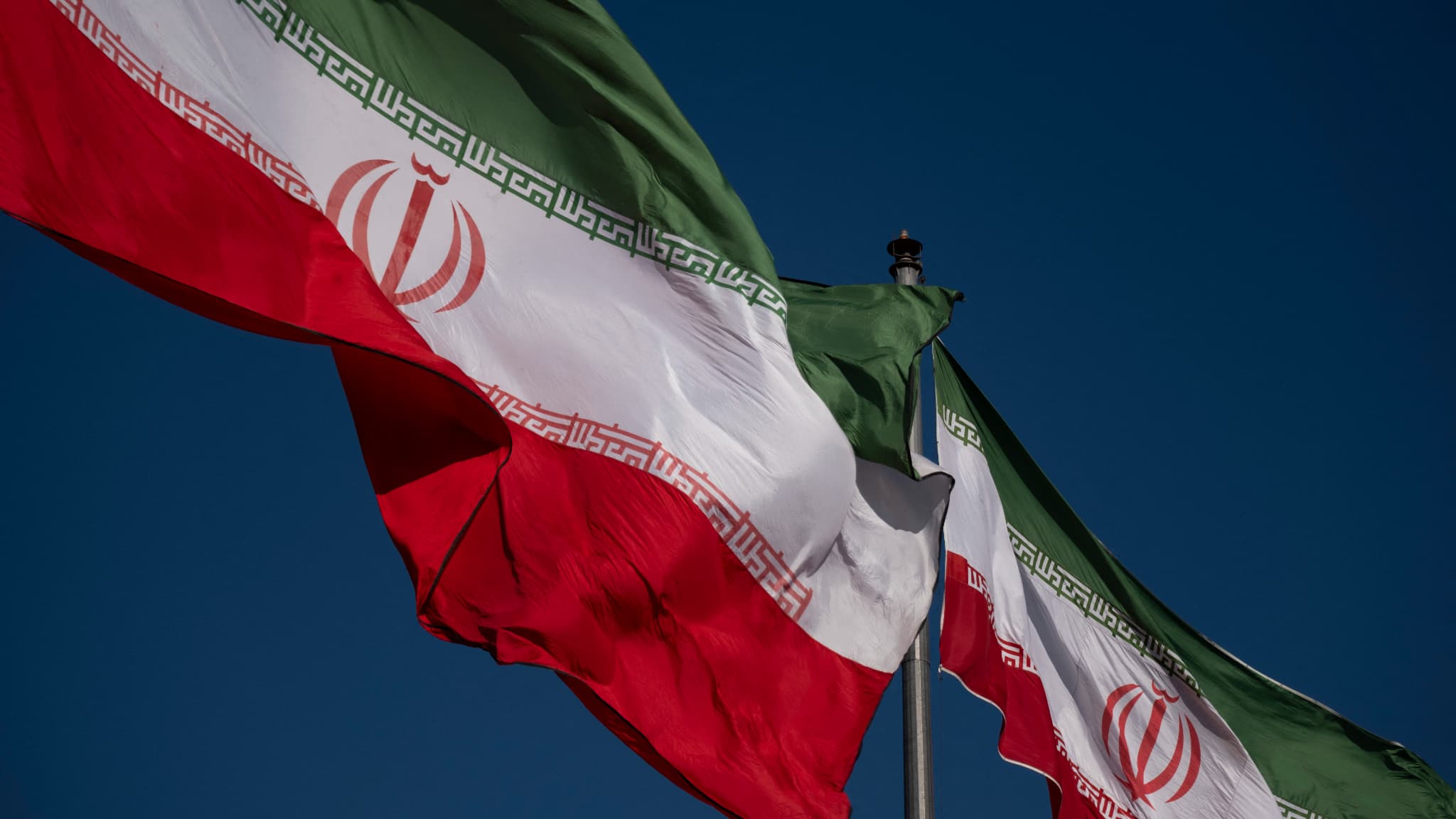
Iran Agrees to Halt Uranium Stockpiling in Potential Breakthrough with US
Geneva – In a development that could significantly alter the trajectory of ongoing nuclear negotiations, Iran has agreed to refrain from stockpiling enriched uranium, according to Oman’s Foreign Minister Badr Albusaidi. The announcement, made Friday, February 27, 2026, comes as tensions remain high between Washington and Tehran, with the United States maintaining a substantial military presence in the Middle East and President Donald Trump expressing impatience with the pace of talks. This potential shift in Iran’s position represents a crucial step towards de-escalation, though significant hurdles remain in reaching a comprehensive agreement.
The agreement to forgo uranium stockpiling was revealed during a third round of US-Iran negotiations in Geneva, mediated by Oman. While the United States continues to demand a complete halt to all uranium enrichment, a core tenet of Iran’s nuclear program, this concession regarding stockpiles is being hailed as a “completely fresh” development by Albusaidi. “It’s something completely new, which really makes the argument of enrichment less relevant, because now we’re talking about the absence of storage,” he explained on CBS News. CBS News reported on the breakthrough, highlighting the potential for a deal within the coming months.
The timing of this announcement is particularly sensitive, as President Trump has publicly voiced his dissatisfaction with the negotiation process. Speaking from Corpus Christi, Texas, on February 27th, Trump reiterated his demand for a total cessation of Iranian uranium enrichment, stating, “You don’t need to enrich when you have so much oil.” Le Monde reported on Trump’s comments, noting his continued skepticism despite the progress reported by the Omani mediator. Despite his public pressure, the President indicated that no final decision had been made regarding potential military strikes, even as the US maintains its largest military deployment to the region in decades.
A Shift in Focus: From Enrichment to Storage
The distinction between enrichment and storage is critical. While enriching uranium is a necessary step in the nuclear fuel cycle, stockpiling enriched uranium raises concerns about its potential diversion for weapons development. According to Albusaidi, the agreement to avoid stockpiling addresses a key concern regarding the potential for Iran to quickly produce a nuclear weapon. “If you can’t store enriched material, you can’t make a bomb in any case,” he stated, emphasizing the significance of this concession. This move effectively shifts the focus of negotiations away from the contentious issue of enrichment itself, towards ensuring transparency and verification measures to prevent future stockpiling.
However, the United States continues to insist on a complete ban on uranium enrichment, a position Iran has consistently resisted, maintaining its right to pursue nuclear energy for civilian purposes. The current negotiations, represent a delicate balancing act between these competing demands. The Omani mediator expressed optimism that all outstanding issues could be resolved “amicably and exhaustively” within a three-month timeframe, but the path forward remains uncertain.
The role of Oman as a mediator has been crucial in facilitating these talks. Oman has historically maintained relatively neutral relations with both Iran and the United States, allowing it to serve as a trusted intermediary. The country’s diplomatic efforts have been instrumental in keeping communication channels open and fostering a climate conducive to negotiation. The current round of talks builds upon previous discussions held in Geneva, with Oman playing a central role in bridging the gap between the two sides.
US Military Posture and Regional Concerns
The backdrop to these negotiations is a heightened state of regional tension, fueled by the United States’ significant military buildup in the Middle East. The deployment, described as the largest in decades, is widely seen as a signal of Washington’s willingness to apply force if diplomatic efforts fail. This military pressure is intended to compel Iran to make concessions, but it similarly carries the risk of escalating the conflict. Le Figaro reported that these discussions are viewed as one of the last opportunities to avert a potential war.
The potential for miscalculation or unintended escalation remains a significant concern. Any military confrontation between the United States and Iran could have devastating consequences for the region, potentially drawing in other actors and destabilizing already fragile states. The international community is closely monitoring the situation, urging both sides to exercise restraint and prioritize a diplomatic solution.
Iran’s Stance and Denials of Nuclear Weapons Ambitions
Iran continues to deny accusations that It’s seeking to develop nuclear weapons. Tehran maintains that its nuclear program is solely for peaceful purposes, such as generating electricity and producing medical isotopes. However, concerns persist among Western powers that Iran’s enrichment activities could be diverted to weapons production. The International Atomic Energy Agency (IAEA) has repeatedly called on Iran to fully cooperate with its investigations and provide assurances that its nuclear program is exclusively peaceful.
The agreement to refrain from stockpiling enriched uranium, if fully implemented and verified, could address some of these concerns. However, it is unlikely to satisfy the United States’ demand for a complete halt to enrichment. The key to a lasting agreement will likely lie in establishing a robust verification regime that provides credible assurances that Iran is not pursuing nuclear weapons, while also allowing it to continue its nuclear program for legitimate civilian purposes.
What’s Next?
The next three months will be critical in determining whether a comprehensive agreement can be reached. Negotiators will need to address a range of outstanding issues, including the scope and duration of any restrictions on Iran’s nuclear program, the implementation of verification measures, and the lifting of economic sanctions imposed on Iran. The United States and Iran will also need to discover a way to address regional security concerns, including Iran’s ballistic missile program and its support for proxy groups in the Middle East.
The Omani mediation team will continue to play a vital role in facilitating these discussions. The international community will also be closely watching, hoping that diplomacy can prevail and avert a potentially catastrophic conflict. The coming weeks will undoubtedly be a period of intense diplomatic activity, with the fate of the region hanging in the balance.
The next official update from the Omani Foreign Ministry regarding the progress of negotiations is expected on or before April 27, 2026. We encourage readers to share their thoughts and perspectives on this critical issue in the comments section below.
Related reading